

Onimusha: Way of the Sword Review: Capcom Strikes Hard Again, TheGamer Is Won Over!
 Fabian Lainé
In brief
Onimusha: Way of the Sword stands out as a refreshing alternative to the narrow soulslikes on the market. Capcom abandons the roll-block-parry mold to deliver a rich combat system where parry, deflection, and Issen coexist in a true samurai fantasy. Impeccable art direction, memorable boss fights, and few flaws: it's likely the best purchase of this season for action-RPG fans.
Looking for an alternative to the soulslikes saturating the action-RPG market? Onimusha: Way of the Sword is probably the best purchase you'll make this fall. As long as you love nervy sword combat and boss fights that punish imprecision, not slowness.
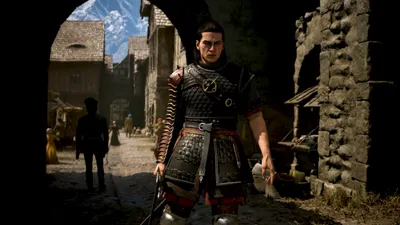
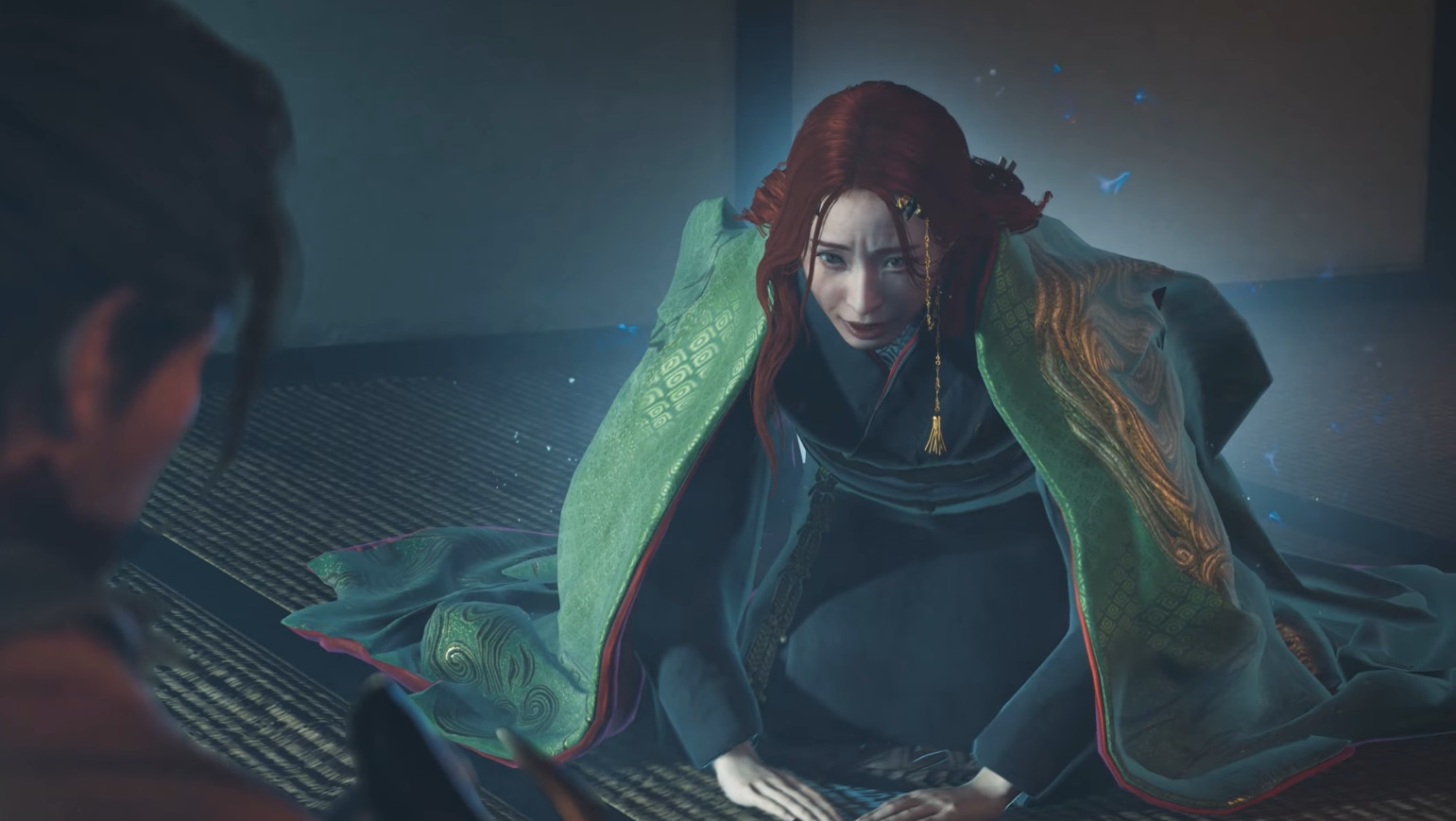
For newcomers: Onimusha is the old Capcom franchise that mixes samurai, demons, and third-person action. This new entry puts you in the geta of Miyamoto Musashi, a charismatic figure far from the usual taciturn samurai, who hands out rice to starving children before slicing through hordes of demons minutes later. The contrast works wonderfully.
A combat system that dares to be different
The game's real achievement, according to TheGamer, is refusing the current soulslike mold. No generic roll-block-parry here: Onimusha offers parrying, deflection (which drains a huge chunk of enemy stamina but requires tight timing), and above all the Issen, a counterattack executed right before impact that instantly kills most mobs. Every option is a risk/reward gamble. The result: a true samurai fantasy, where standing still in the middle of a horde and chaining executions delivers rare satisfaction.
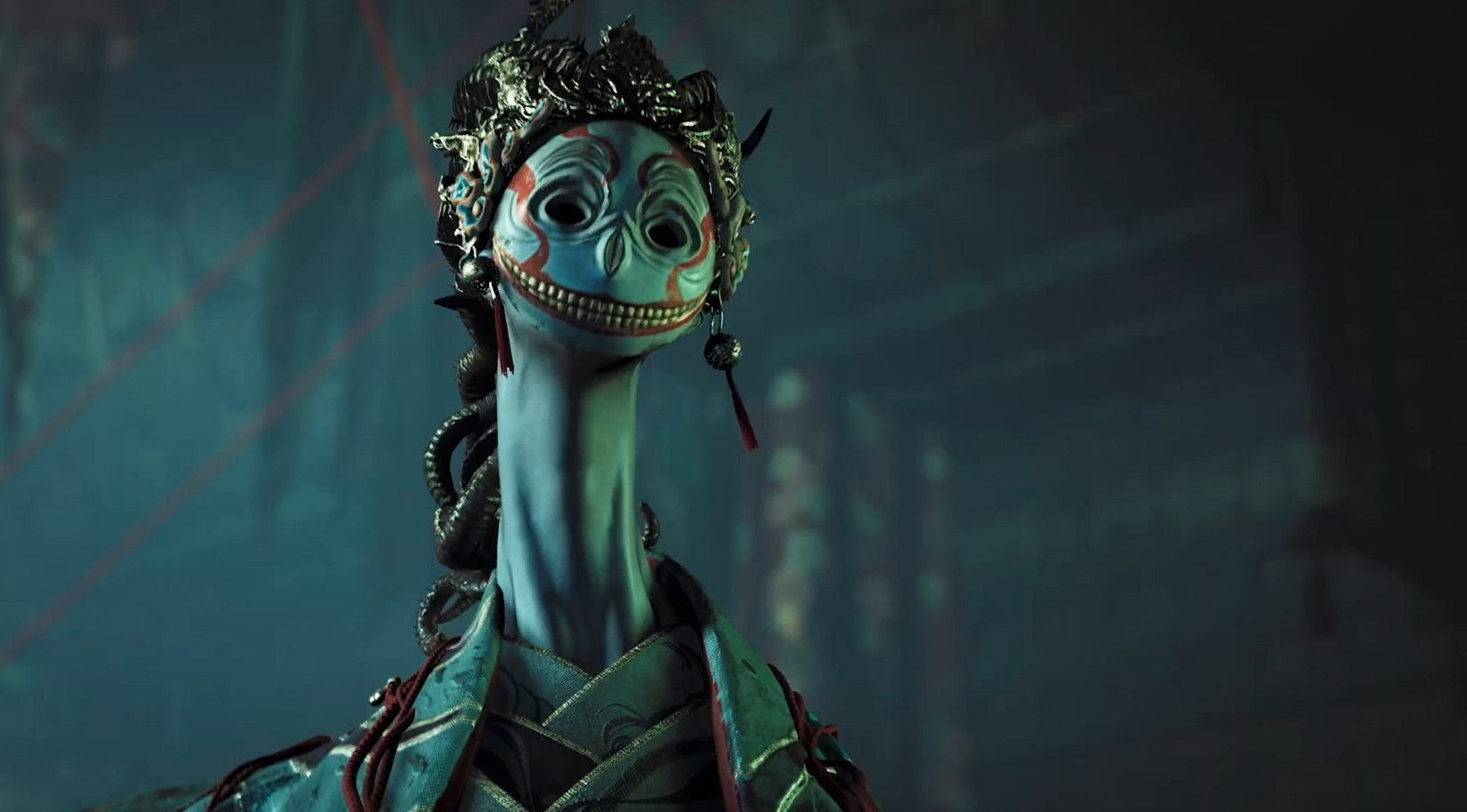
The boss fights are the real highlight. Almost all of them are memorable, with patterns that require understanding the environment and weaknesses in real time - some fights turn almost into tense puzzles. Capcom reuses certain bosses, but never to the point of tedium, and the loot tied to these fights clearly justifies diving back in without a wince.
Structurally, the mix of a semi-open world (a base in Kyoto, side quests, upgrades) and heavily scripted linear levels avoids the classic pitfall of an open world that overstays its welcome. An underground horror-style section, full of abominations, shows that Capcom can still surprise visually - the RE Engine delivers here one of the best-looking games of the year according to the reviewer.
The nagging issues
The enemy soul absorption system seems to slightly break the rhythm: you have to hold the left trigger in the middle of combat to collect them, or risk letting them buff the enemy. It's clumsy and pulls you out of the otherwise fluid action the rest of the gameplay offers. Basic enemies, meanwhile, remain too passive in small groups - the difficulty really only kicks in with the bosses.
If you loved Nioh for its demanding nature but grew tired of the luck-based loot, or if Sekiro gave you a taste for parrying without its full soulslike rigor, Onimusha: Way of the Sword ticks the right boxes, according to TheGamer's analysis. Rewarding combat, generous set-pieces, impeccable art direction: few flaws, and none of them ever truly diminishes the fun of playing.

Strengths
- Rich combat system with high-risk/high-reward parrying, deflection, and Issen
- Memorable boss fights that are nearly all different in their mechanics
- Top-tier art direction and RE Engine, well-balanced alternation between open world and linear levels
- Musashi, a charismatic protagonist who breaks away from the austere samurai cliché
Weaknesses
- Clumsy enemy soul absorption, breaks the flow of combat
- Basic enemies too passive outside of boss encounters
Verdict
A comeback in top form that proves Capcom can reinvent the action-RPG without copying the soulslike.
Share this article
Are you tempted by Onimusha: Way of the Sword?
Frequently asked questions
Is Onimusha: Way of the Sword really a soulslike?
How exactly does the combat system work?
Are the boss fights worth it?
What type of player should avoid this game?
Who is Miyamoto Musashi in this game?
Key takeaways
- The combat system deliberately refuses the ambient soulslike and offers parry, deflection, and Issen for varied and punchy gameplay.
- The boss fights are the real highlight, nearly all memorable and close to a puzzle under pressure.
- Miyamoto Musashi doesn't look like the usual taciturn samurai: charismatic, he hands out his rice to starving children before slicing up demons.
- The mix of semi-open world set in Kyoto and highly story-driven linear levels avoids the classic open world pitfall of endless stretching.
- Soul absorption from enemies remains awkward and slows down the pace, while small enemy groups stay too passive.
Comments
No comments yet. Be the first to react!
Leave a comment
Latest articles