
 Fabian Lainé

Full Guide
Once Human: 2026 Starter Guide and Build
In brief
Once Human celebrates its second anniversary in July 2026 with Version 3.0.1, the arrival of full FPS mode, and the Isles of the Abyss storyline. This guide explains how to survive your first hours at Nalcott, manage the three vital gauges (hunger, thirst, sanity), choose the right scenario, and put together a solid starting build so you don't spread yourself too thin in this post-apocalyptic co-op survival game.
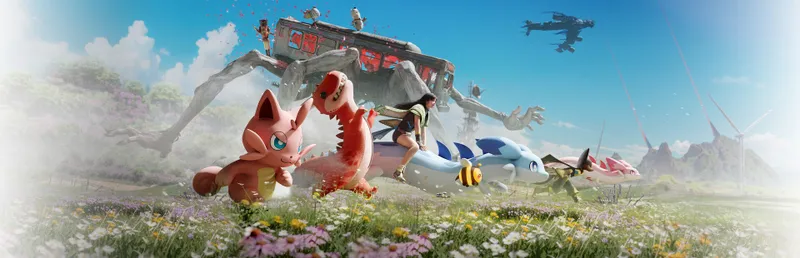
Once Human, the open-world survival game from Starry Studio (NetEase), celebrates its second anniversary in July 2026 and has never been more active. Between the anniversary update Version 3.0.1, the official arrival of first-person view and the new Isles of the Abyss scenario, the title is attracting a wave of new Metas (the players' nickname). Here's a complete guide to understanding the universe, surviving your first hours and leaving the starting zone with a reliable build.
Where does Once Human stand in July 2026?
The calendar of Nalcott, the post-apocalyptic region where the game takes place, is punctuated by seasonal scenarios lasting roughly six weeks. Since July 10, 2026, Once Human has been revolving around two major features: the two-year celebration called Dreamy Maelstrom, and the end of the pioneer test for the Isles of the Abyss scenario, focused on archipelago exploration, naval artillery and the eight-player dungeon Sunken Lord. Starry Studio has also confirmed a 2026 dubbed « The Year of the Monsters », with a dreamlike scenario on the way (Endless Dream) and a console release in the coming months.
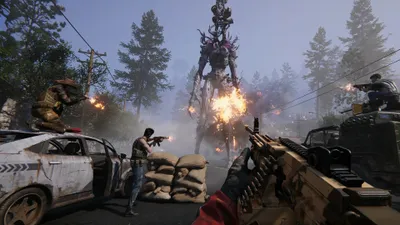
Version 3.0.1 brings three structural changes for newcomers: the full FPS mode (with a rework of shooting, melee, looting and the grappling hook), a new RaidZone called RaidFest, and an exploration companion called « Music Player » that broadcasts sound buffs. In other words, it's an excellent time to jump in: servers are full, events hand out free rewards, and the first-person camera makes discovery much more readable.
The concept: cooperative survival in a corrupted world
Once Human is an open multiplayer survival game blended with looter-shooter elements. You play a « Meta », a human modified by Stardust, a stellar dust that has corrupted the planet and turned wildlife, plants and a good part of humanity into Anomalies. Your mission: reclaim Nalcott, purify the contaminated zones and work your way up to the story bosses.
The gameplay rests on three pillars:
- Classic survival: managing hunger, thirst, sanity, temperature and injuries.
- Base building: setting up a modular shelter, installing a Stardust Resonant Filter to purify the territory and unlocking extended storage.
- PvE and PvP combat: dungeons, public events, zone bosses, Rift Anchors and seasonal scenarios with or without PvP.
The whole thing is partially translated into French: the interface is clean, but item and skill names often remain in English, which makes it worth remembering a few key terms (Stardust, Cortex, Anomalies, Rift Anchor, Warband).
Choosing your scenario: the real starting point
When creating your character, Once Human asks you to choose a scenario rather than a simple server. Each scenario lasts about 42 days, has its own rules (pure PvE, moderate PvP, the « hard » Prime War mode) and resets everyone back to zero at the end, except for your meta progression (recipes, weapon blueprints, Starchrom, cosmetics).
For a first run, aim for a PvE « Manibus » scenario or the current beginner-friendly equivalent. You'll keep all of your weapon and armor blueprints from one season to the next thanks to the Season Transfer system. In short, what you farm now will remain useful even after the reset: don't be afraid to invest time right from the first week.
Your first hours: getting through the living tutorial
After the cinematic intro, you land on the beach of Meyer's Market. The tutorial is short, but it lays the groundwork: gathering, crafting, Sparks (the skill points of your Memetic Tree) and setting up your first tent. Here's the order of priority so you don't spread yourself too thin:
- Finish the main quests in the starting zone: they unlock the upgraded pickaxe, storage, and the first assault rifle.
- Place your Territory Core near a water source and a road: infinite water, fast travel, and easier defense.
- Craft a cooking stove and a campfire to boil water and cook meat from the very first night.
- Invest your first Sparks in the Memetic Tree, on the "Crafting" side, to unlock a solid starter rifle and the Anomaly Container.
- Explore the Settlements to open weapon crates, grab a unique treasure, and activate the local Rift Anchor.
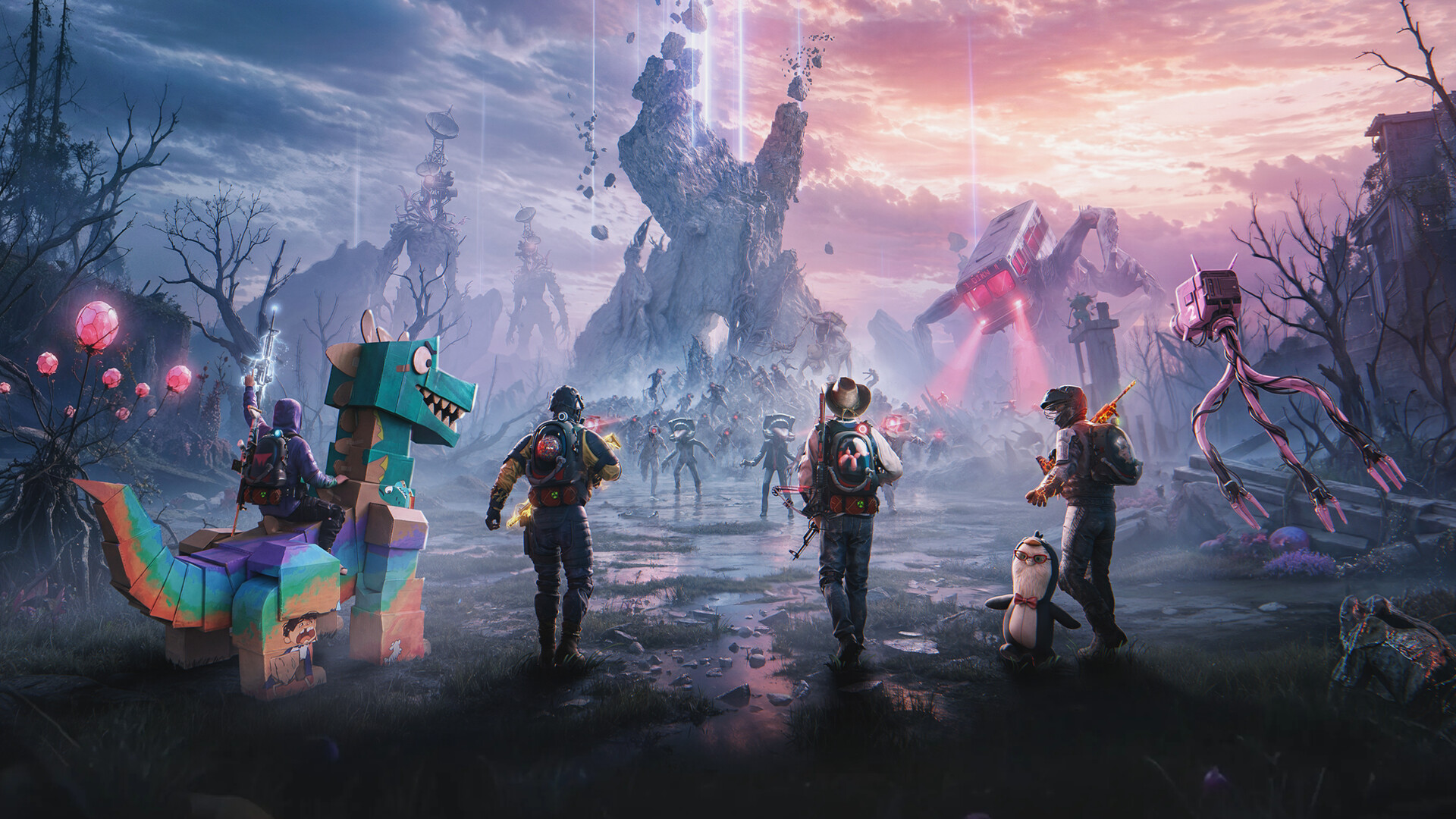
Don't linger too long near Meyer's Market: Nalcott unlocks based on your level, and the mid-tier zones (Dayton Wetlands, Broken Delta) yield far more Starchrom and blueprints.
Credit: Starry Studio / NetEase
Hunger, thirst, and sanity: the vital triangle
Once Human isn't a hardcore survival game, but it quickly punishes improvisation. Three gauges dictate your outings:
- Thirst: drink boiled water. Dirty lake water fills the gauge but chips away at your sanity and can cause poisoning.
- Hunger: raw meat and wild berries will do in a pinch, but cooking (Grilled Meat, Mushroom Stew) grants temporary buffs to carry weight, regeneration, or elemental resistance. Be careful, cooked food spoils within 24 real-time hours.
- Sanity: it drops in corrupted zones, at night, or when facing certain Anomalies. Low sanity reduces your maximum health points. Restore it with Sanity Gummies, cooked meals, or rest at your purified base.
Also keep in mind Stardust contamination: every corrupted zone deals progressive damage if you don't have a gas mask and suitable armor. Craft your first mask as soon as possible: it opens up access to the best farming spots.
Cortex, Stardust, and Anomalies: the progression loop
Three words to remember to understand endgame progression:
- Stardust: the energy resource that powers your machines and increases your "Stardust capacity" (your equipped item budget).
- Cortex: stones obtained by clearing a dungeon for the first time or by taking part in Public Events. Run through the Stardust Resonant Filter, they produce Starchrom, the premium currency for the Wish Machines that hand out weapon and armor blueprints.
- Anomalies: creatures born from Stardust corruption that you capture and install in your base. Each one provides an active effect (healing, movement buff, turret) or a passive one (energy production, automatic watering). This is your personal "Pokédex": some Metas capture everything, others focus on the best ones.
Prioritize capturing Bad Cargo (bonus storage), Butterfly (area healing) and Diggy (automatic harvesting): these are the three most useful Anomalies for a beginner.
Rift Anchors and zone bosses: the key to the loot loop
Rift Anchors are those black pillars planted in Nalcott's ruined settlements and towns. They are guarded by a mini-boss or a wave of enemies and unlock with a Realm Coordinate Segment, a fragment you get by looting the zone's crates or from elite enemies.
Once activated, a Rift Anchor serves as a fast travel point but above all as a vault: a unique reward unlocks there for each zone (weapon blueprint, mod, cosmetic). The optimal route for a beginner:
- Loot all the weapon and equipment crates in the settlement.
- Grab the Unique Treasure (the golden chest marked on the map).
- Activate the Rift Anchor before leaving.
Story bosses (Wonderland Bee, Ravenous Hunter, The Treant, Rocket Colossus...) work with a hidden Stagger Bar that fills up under sustained fire. Once it's full, the boss is stunned for four seconds and takes +50% damage: that's your window to empty a full magazine or unleash your offensive Anomaly.
Best starting weapons and recommended build
The meta in version 3.0.1 favors two archetypes that are accessible right from the green tier:
- DPS Assault Rifle "Shrapnel": an assault rifle build (SOCR or Predator) with the Shrapnel specialization, which triggers explosions on every critical hit. Reliable in solo play, PvE, and dungeons.
- Shotgun "Bounce Blast": for indoor spaces, silos, and stationary bosses. The KVK 3 Bull or the The Last Valor remain excellent choices.
A clean starter build for your first season looks like this:
- Main weapon: SOCR Wildfire (assault rifle) with the Shrapnel mod.
- Secondary weapon: KVK 3 Bull (shotgun) for close-range damage and dungeons.
- Armor: the Shelterer set for pure defense or Falcon for a critical bonus.
- Active Anomaly: Iron Butterfly (area healing) while you progress, replaceable later with The Big Bang for an offensive burst.
- Memetic Tree: focus on the Shrapnel branch and the "Weakness Damage" nodes to maximize Stagger phases.
This build has the advantage of staying competitive all the way to the Prime Wars and requires no legendary weapon to work. You'll be able to pivot it later into a Bounce Blast build or Fast Gunner once you've farmed enough Starchrom.
Quick tips to survive faster
- Join a Warband (scenario clan) as early as level 15: recipe sharing, help with Public Crisis Events and access to collective Purification Rewards.
- Empty the Mystical Crates near the Rift Anchors: it's the best loot/time ratio early in the game.
- Try out the new FPS view introduced on July 10: the SOCR's mechanical sight is much more readable in first-person, and the Dreamy Maelstrom event hands out Sanity Gummies, skins and free Starchrom.
- Finally, keep an eye on RaidFest: these short raids are a great alternative to dungeons for farming Cortex when you're short on Starchrom.
With these basics, your first nights in Nalcott should remain bearable, and you'll have all the tools you need to tackle Isles of the Abyss, Endless Dream and the next big scenarios of 2026 with confidence.
Share this article
In your opinion, which aspect of Once Human appeals to you most in 2026?
Frequently asked questions
Which scenario should I choose if I'm playing for the first time?
Aim for a PvE "Manibus" scenario or whatever the current beginner-friendly equivalent is. All scenarios last around 42 days and reset everything at the end, except for your meta progression (recipes, weapon blueprints, cosmetics). What you farm now will still be useful even after the reset thanks to Season Transfer.
Why does my sanity drop so fast?
It drops in corrupted zones, at night, or when facing certain Deviations. Low sanity directly reduces your maximum health points, which is why it's important to restore it with Sanity Gummies, cooked meals, or rest in your purified base.
How can I quickly unlock the best farming spots?
Craft your first gas mask as soon as possible: it opens access to contaminated zones where the best resources are found. Then activate all the Rift Anchors in each zone to unlock fast travel points and unique chests.
Is PvP mandatory?
No, each scenario offers its own rules: pure PvE, measured PvP, or the harder Prime War mode. Choose your scenario based on your preferences when creating your character, and switch scenarios each season if you'd like.
What is the endgame progression loop?
Three resources govern it: Stardust (machine energy), Cortex (obtained in dungeons, converted into Starchrom for blueprints), and Deviations (captured creatures that provide buffs and production). Mastering this loop means understanding the rest of the game.
Key takeaways
- Place your Territory Core near water and a road from the very start, it's the foundation of your progression.
- The three most useful Deviations for beginners are Bad Cargo, Butterfly, and Diggy: prioritize them first.
- Activate all the Rift Anchors in each zone, they unlock unique blueprints and serve as fast travel points.
- Sanity isn't a minor detail: it drops in corrupted zones and limits your maximum health points if it collapses.
- Invest your first Sparks into Crafting on the Memetic Tree to quickly unlock a rifle and the Deviation Container.
Comments
No comments yet. Be the first to react!
Leave a comment
Similar guides


Latest articles



Your opinion counts
Rate Once Human
Click a star to rate