
The Blood of Dawnwalker review: the vampire RPG that would make Geralt proud, and delights GameBlog
 Fabian Lainé
In brief
The Blood of Dawnwalker, the debut title from Rebel Wolves founded by CD Projekt RED veterans, is an ambitious vampiric dark fantasy RPG set in the 14th-century Carpathians. With standout writing, a dual day/night system that truly permeates the gameplay, and moral choices that carry real weight, it surpasses many recent RPGs, even if it suffers from a dated open world and some technical rough edges to iron out.
If you loved The Witcher 3 and are looking for a demanding dark fantasy RPG with real moral weight in its choices, The Blood of Dawnwalker is worth buying, even if it means waiting for a day-one patch on the console version. On PC, however, the experience is already solid from start to finish, according to GameBlog's journalist.
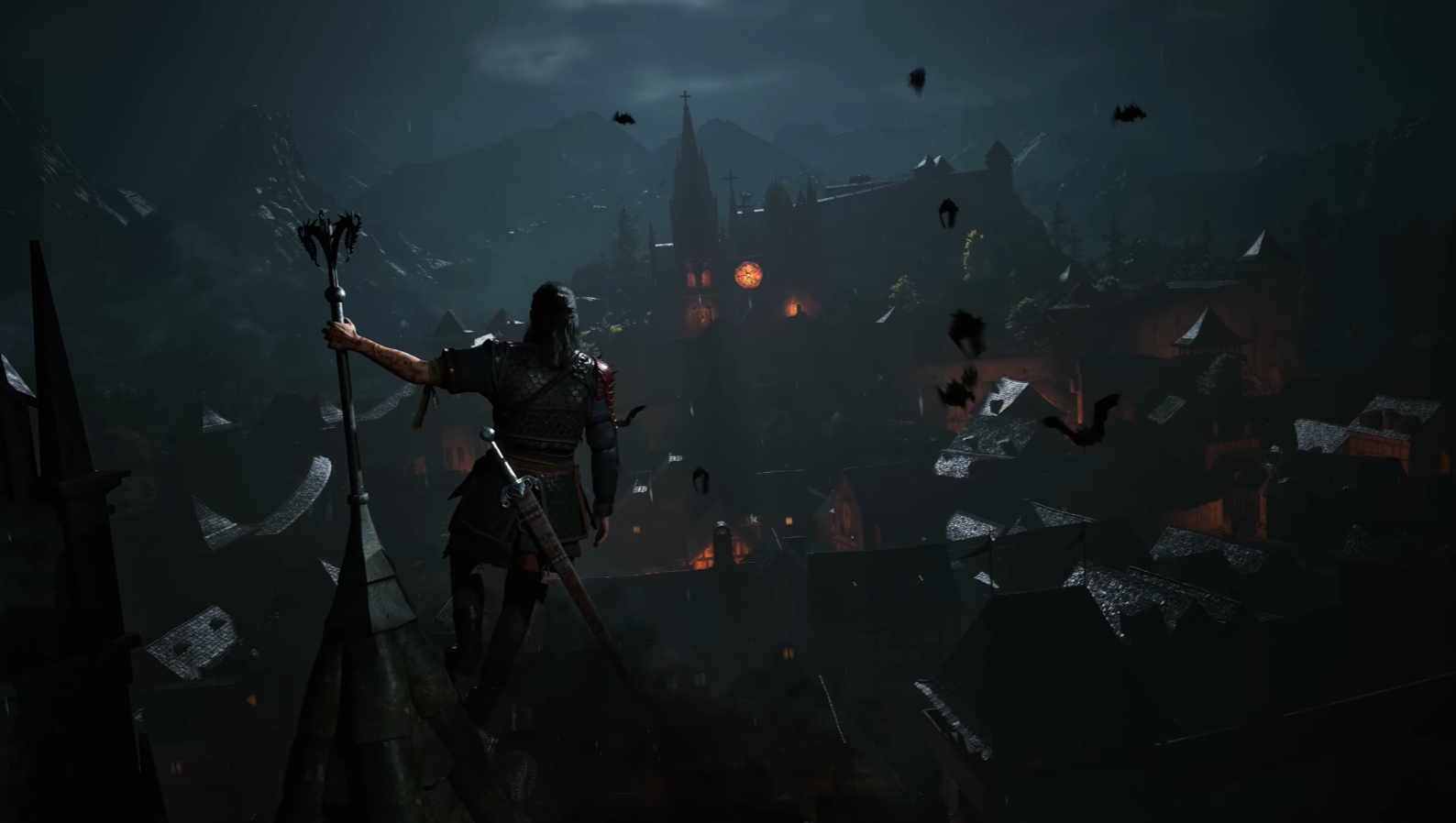
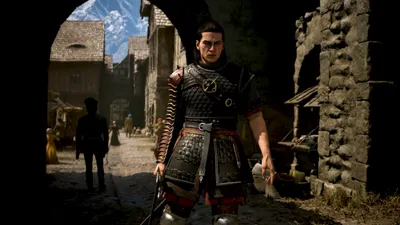
Rebel Wolves, founded by CD Projekt RED veterans, delivers an RPG set in the 14th-century Carpathians. You play as Coen, transformed into a Dawnwalker - human by day, vampire by night - with 30 days to save his family from the clutches of the vampire lord Brencis. The narrative twist isn't just cosmetic: it infuses the entire gameplay.
What works
The writing is clearly the game's real masterstroke. The choices between humanity and bloodlust don't just display a hollow morality bar: they can literally kill a major NPC if you neglect to feed mid-conversation. It's cruel, it's memorable, and it puts The Blood of Dawnwalker above many recent RPGs on that front.
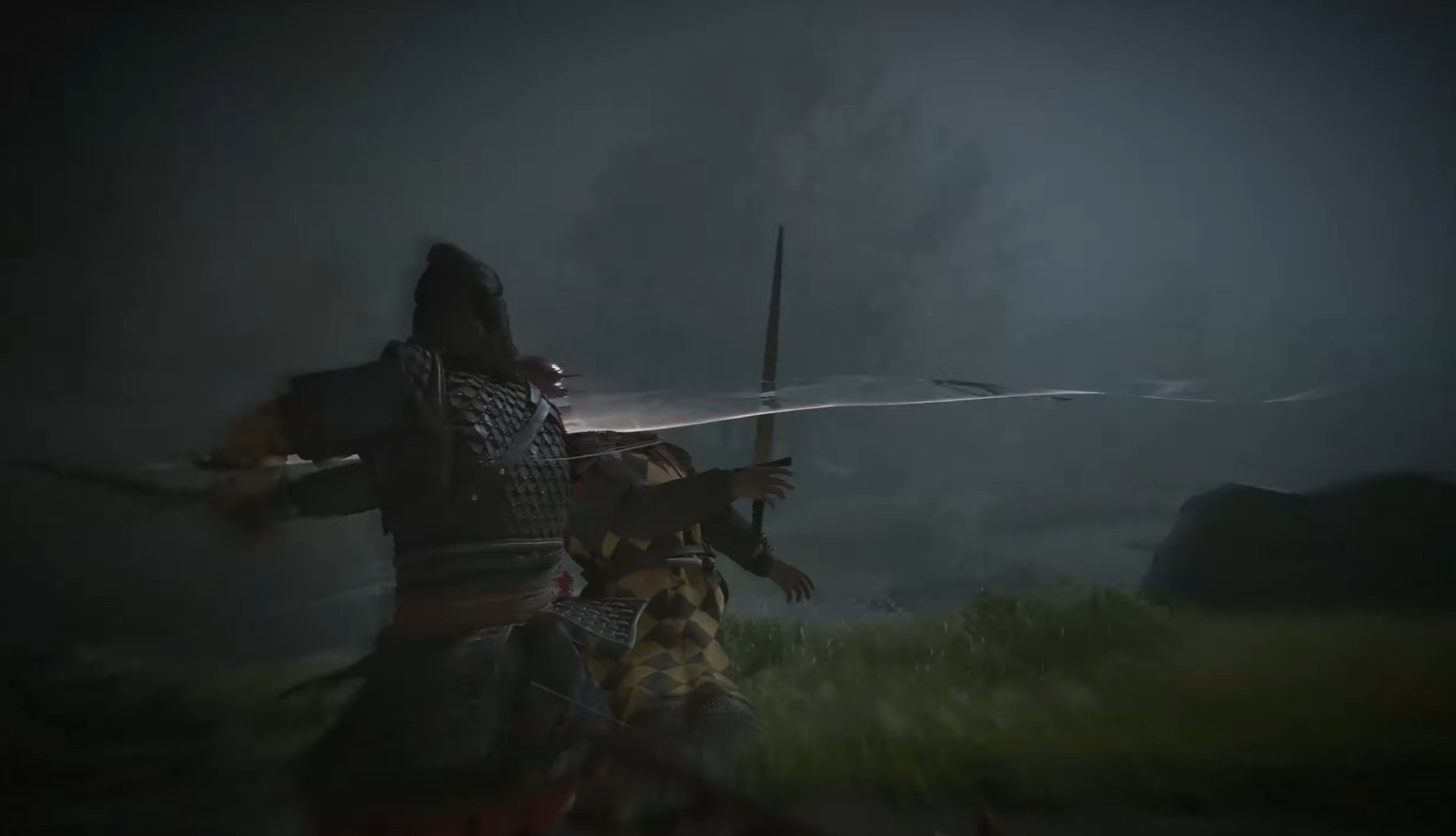
The day/night duality also delivers on the gameplay front according to GameBlog. In human form, you'll find modernized Witcher-like sensations, sword and blood magic. In vampire form, the game shifts to something more visceral: teleportation, wall climbing, devastating claws. The combat, with its four-directional system reminiscent of Kingdom Come Deliverance, is clearly more proactive than The Witcher 3's, especially during boss duels.
On the content side, the title doesn't seem to skimp: camp sabotage, monster hunting, exorcisms, ruin looting. Expect around fifty hours to complete the essentials on Hard difficulty, without it becoming overwhelming.
What falls short
The open world, meanwhile, feels dated. Modeled on The Witcher 3's formula, it offers a large playground that's largely empty between points of interest, with minimal filler outside of scripted activities. Eleven years later, the formula no longer surprises.
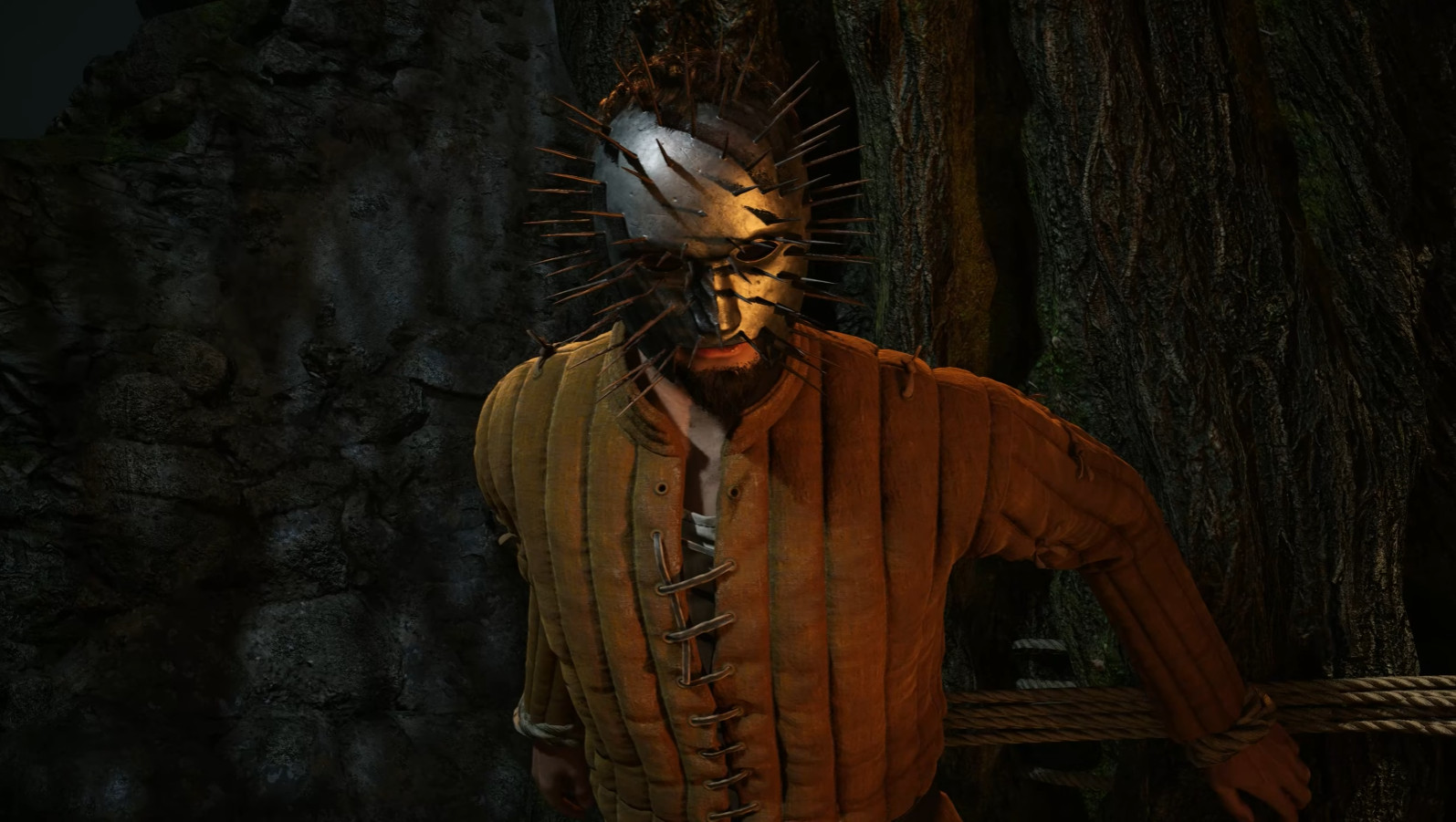
The bestiary also lacks variety - two or three patterns per enemy type, quickly memorized - and target locking goes haywire as soon as you face multiple opponents. Technically, GameBlog's PC session on ultra at 1440p ran at over 100 fps, except in the main city where drops below 60 fps during the day raise questions, as does the fate reserved for the Xbox Series S, capped at 30 fps.
Verdict: a dark fantasy RPG with genuinely inspired writing and dual gameplay, slightly held back by a dated open world and a few technical rough edges to fix.
Strengths
- Writing and moral choices with real, irreversible consequences
- Day/vampire duality that genuinely changes the gameplay, not just cosmetic
- Proactive four-directional combat more dynamic than The Witcher 3
- Cast of memorable characters, well served by both the French and English voiceovers
- Generous content (~50h) without being artificially padded
Weaknesses
- Open world modeled on The Witcher 3, empty between points of interest
- Bestiary lacks variety, enemy patterns quickly memorized
- Finicky target locking in combat against multiple opponents
- Framerate drops in the city and Xbox Series S capped at 30 fps
Verdict
A vampire RPG with biting writing and thrilling dual gameplay, held back by a dated open world.
Share this article
Does The Blood of Dawnwalker appeal to you despite its technical flaws and dated open world?
Frequently asked questions
Who developed The Blood of Dawnwalker and where does its inspiration come from?
What's the central concept of the game and why does it matter?
How does the moral choice system actually work in this game?
What's the difference between combat in human form and vampire form?
How does the game perform technically on PC and console?
Key takeaways
- The writing is the game's true masterstroke, with choices between humanity and bloodlust that literally kill major NPCs if you neglect to feed.
- The dual day/night mechanic radically transforms the gameplay: human with sword and blood magic on one side, vampire with teleportation and devastating claws on the other.
- The four-directional combat system shows far more proactivity than The Witcher 3, particularly in boss duels.
- Expect around 50 hours to complete the essentials on Hard, with varied missions (sabotage, tracking, exorcisms, ruins).
- The open world, modeled on The Witcher 3, feels stale after 11 years, with too much empty terrain between points of interest and a not-very-varied bestiary.
Comments
No comments yet. Be the first to react!
Leave a comment
Latest articles