
Echoes of Aincrad review: SAO returns to its roots but wears thin, says IGN
 Fabian Lainé
In brief
Echoes of Aincrad finally offers a fresh take on the Aincrad arc by having players embody an ordinary player rather than Kirito, with a solid MMO progression system and well-crafted level design. But the game stretches on for more than 12 hours before reaching the second floor by obsessively recycling the same areas and dungeons, which ends up wearing thin.
Echoes of Aincrad is a good choice if you want to dive back into the Aincrad arc with a genuine solo RPG focused on character growth and teaming up with your partner. As long as you're willing to accept a slow pace and a very repetitive gameplay loop...
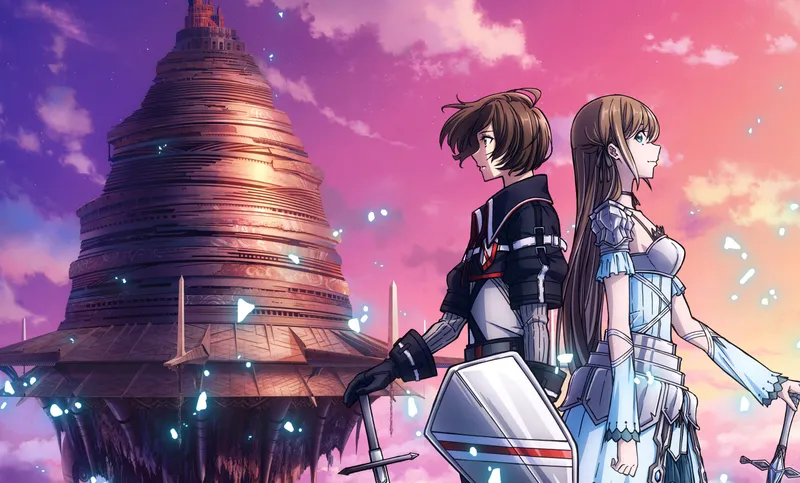
To set the scene: this is a solo Sword Art Online action RPG, nested within the Aincrad arc but without playing as Kirito. Here, the idea is to create your own avatar among the 10,000 trapped players, experiencing the drama of the deadly MMO from the perspective of an average player, complete with a central hub, dungeons, loot, forging, stat growth and specializations. The whole thing runs on a tactical combat system with parries/counters, skill point management (weapon skills) and synergies with your companion. Now that the setting is established, let's take a look at IGN France's review.
A true SAO RPG, finally centered on the player
The big strength of Echoes of Aincrad, the journalist tells us, is its angle. By playing as a "nobody" from Aincrad rather than Kirito, the game finally manages to tell the story of SAO differently, without rewriting the anime but cleverly working around it. You do run into familiar faces, but always from your own point of view and through your own quests, which really gives the feeling of being one of the 10,000 players trapped in the MMO rather than replaying the series in best-of mode.
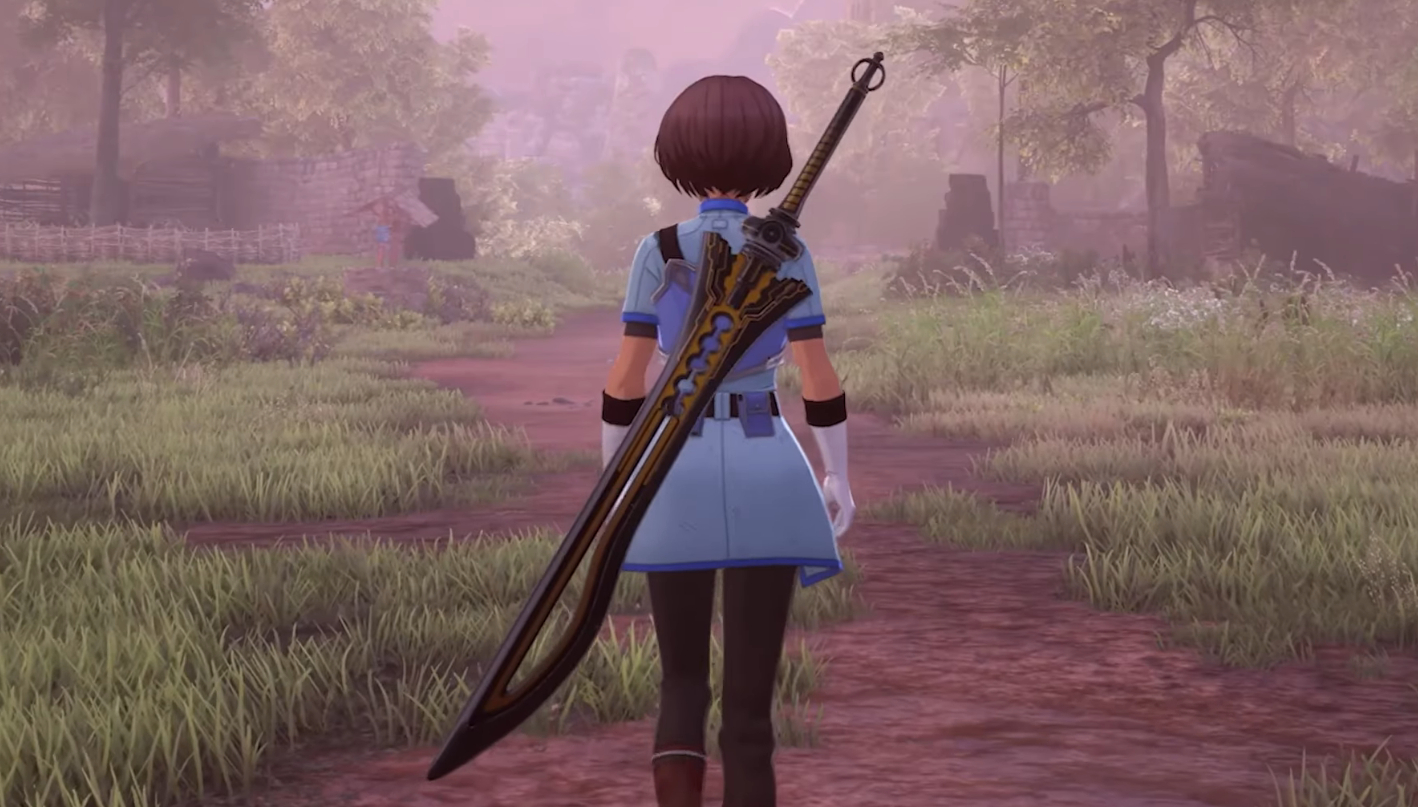
The MMORPG-style progression is clearly well put together. The hero's room serves as a personal hub for redistributing stat points, freely respec'ing, and managing companions, equipment sets and inventory. Stats unlock bonuses at certain thresholds (a wider parry window, damage boosts for a given weapon...), which encourages specialization. Weapons have real gameplay identities, with their own inertia, timing and trade-offs between speed/fragility or slowness/impact. The Cardinal rank, which caps the level of weapons and monsters, prevents over-farming and keeps the difficulty curve under control.
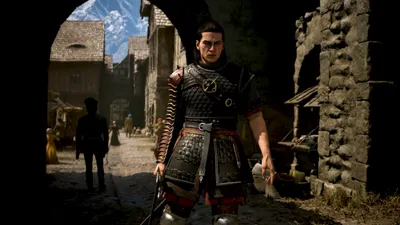
The level design is a pleasant surprise, according to IGN. The mission maps are semi-open, visually vast but in reality well-contained, with cleverly built loops, safe zones to catch your breath, shortcuts to unlock, and other rare events and more convoluted dungeons. The art direction does its job well, with an enchanting first-floor forest area followed by a radically different next zone, more arid and Eastern-inspired, backed by a solid soundtrack and a convincing Japanese dub. On PS5/PS5 Pro and PC (ROG Ally X), it generally runs well despite a few frame drops and pop-in on console.
A good system, undermined by redundancy
The problem, the IGN journalist tells us, is that this solid foundation is stretched to the point of exhaustion. It takes more than 12 hours just to reach the second floor, recycling the same maps from the first floor, the same segmented dungeons and a rather limited bestiary. The game overuses the trick of having you revisit the same areas for a new quest, and some dungeons/raids are replayed in their entirety, boss included, for story reasons that don't make up for how tedious it feels controller in hand.
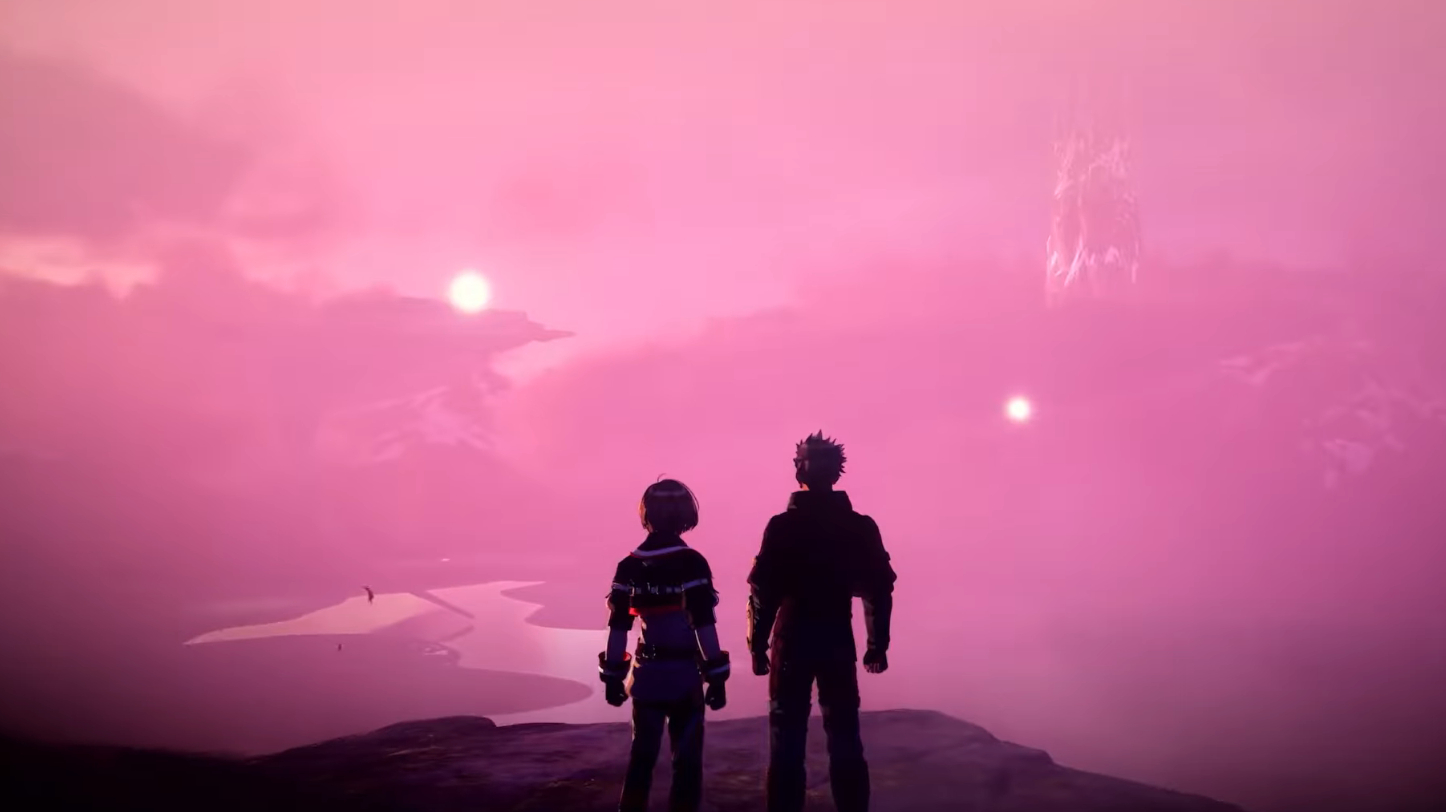
The battles themselves end up going in circles. The more methodical philosophy - reading patterns, parrying, countering, working with your companion's synergies - works well, but the presentation lacks variety: the same ally skill cutscenes if you keep your favorite teammate, the same scripted sequences, and a few readability issues with a temperamental camera, imprecise hitboxes and visual clutter on certain bosses. Over time, the journalist admits to feeling like he isn't really progressing, just repeating the same routine over a floor that drags on too long.
Ultimately, Echoes of Aincrad is aimed at SAO fans who want a more thoughtful solo RPG than older entries like Hollow Realization, and at fans of MMO-style progression systems who enjoy optimizing a build rather than just spamming skills. If you enjoyed somewhat slow anime RPGs like Scarlet Nexus and can tolerate a lack of variety, you should find something to like here; if you're looking for the density and modernity of a Tales of Arise, chances are you'll drop off. IGN gave it a score of 7.0/10: this is a solid, interesting game, but too redundant to aim any higher.
Strengths
- An average-player perspective that cleverly reinvigorates the Aincrad arc
- Well-designed MMO-style progression with stats, thresholds and free respecs
- More tactical combat than expected, built around parries, counters and weapon inertia
- Semi-open level design, with hubs and dungeons that are generally well structured
- Strong art direction and soundtrack, with a convincing Japanese dub
Weaknesses
- Very slow pace, with an endless first floor before any real change kicks in
- Heavy recycling of maps, dungeons and bosses that undermines the sense of progression
- Limited bestiary variety within a single floor, leading to a sense of déjà vu
- Occasional readability issues in combat (camera, hitboxes, visual clutter)
Verdict
A good return to Aincrad for patient fans, but too repetitive to win over anyone else.
Share this article
Does Echoes of Aincrad appeal to you despite its repetitiveness?
Frequently asked questions
Do you need to like SAO to enjoy Echoes of Aincrad?
How long does it take to reach the second floor?
Is the combat system actually interesting?
Which anime RPGs can it be compared to?
Key takeaways
- The narrative angle of playing a "nobody" among the 10,000 players trapped truly refreshes the SAO universe without betraying what made it work.
- The MMORPG-style progression system works well: free respec, stats with tiered bonuses, weapons with real identities, and a Cardinal rank that controls the difficulty curve.
- The semi-open level design pleasantly surprises with its clever loops, safe zones, and unlockable shortcuts, unfortunately stretched to the point of tedium.
- Redundancy kills the experience: the same areas revisited, the same dungeons replayed in full, battles that loop with little visual variety, and some readability issues.
- This is a game for SAO fans wanting a thoughtful RPG and build optimizers, but those who will lose patience with the excessive length of the first arc.
Comments
No comments yet. Be the first to react!
Leave a comment
Latest articles