

 Fabian Lainé
Full Guide
Tomodachi Life A Dream Vacation: Town Hall — setting up your island's rules and laws (2026)
In brief
City Hall is the nerve center of Tomodachi Life: Une vie de rêve. This is where you manage the population, adjust the pace of life on the island, organize major events, and oversee the rules of marriage and parenthood. A complete guide to turning your island into a haven of peace without constant micromanagement.
In Tomodachi Life: Living the Dream, City Hall is the building visited least spontaneously… and yet it's the one that decides everything. This is where the big choices about your island are made: how many residents you accept, at what pace their lives unfold, which public events punctuate their weeks, what rules govern marriages, arrivals, and the appearance of Miitomo babies. This guide takes you on a tour of City Hall to help you build a peaceful island, without constant micromanagement.
Where to find City Hall and how to enter it
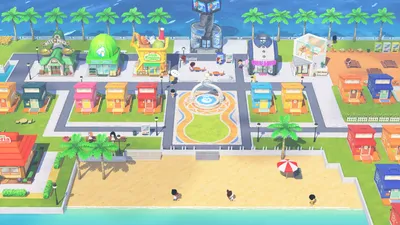
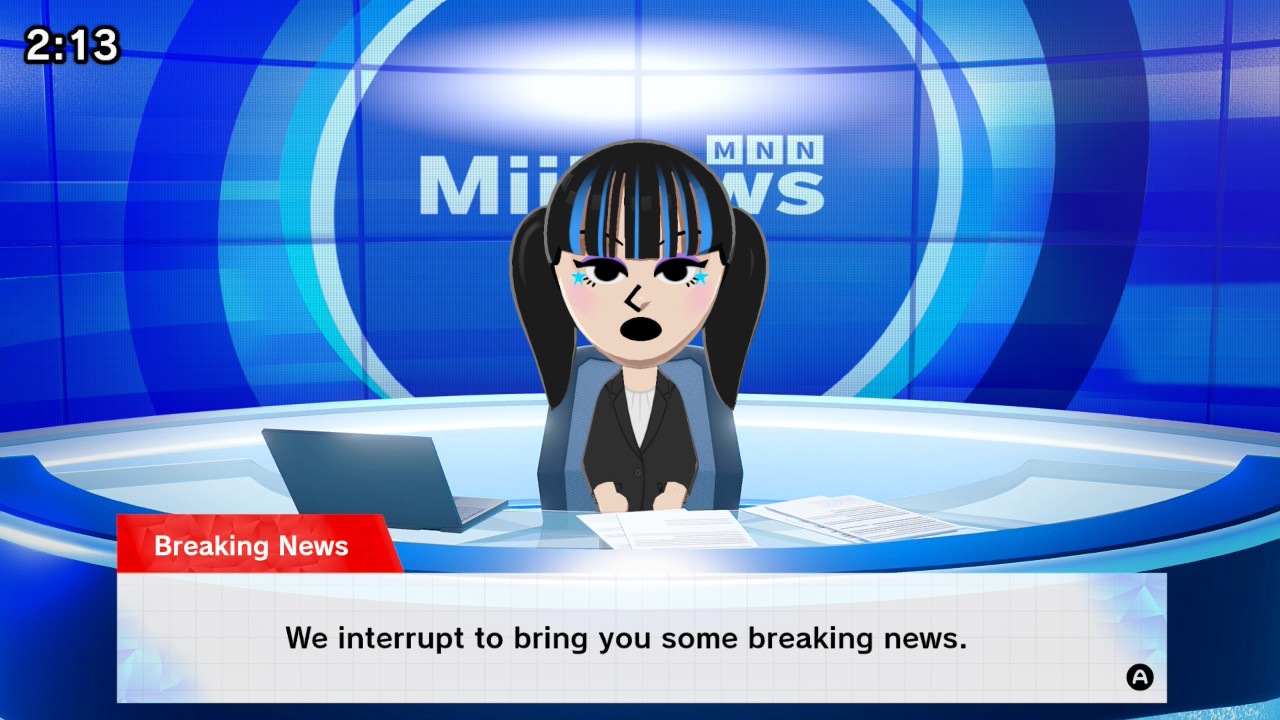
City Hall appears within the first few hours of play, next to the large apartment building where the residents live. It takes the form of a small clock-tower building, recognisable by its pediment and its flag — that of your island, which you can redesign as often as you like. From the island map, a simple tap opens it: you then access a menu organised into broad tabs, gathering all the administrative and civic decisions that the game doesn't want to mix up with the Miis' everyday lives.
Unlike the Wish Fountain (which handles individual wishes), the Photo Studio (staging scenes), or the Creation Workshop (customisation), City Hall settles matters that affect the whole population. It's the only place in the game where a single decision durably changes the experience of all your residents.
Naming your island, drawing your flag, and viewing statistics
The first page of City Hall is also the most visible. Here you'll find:
- The island name, editable at any time — Nintendo has confirmed there's no word filter, which allows total freedom but means you should keep it reasonable if you're sharing screenshots.
- The official flag, to be drawn freehand in a simple editor.
- A summary table: current population, number of couples formed, number of Miitomo babies born on the island, and a history of marriages celebrated at the Wedding Chapel.
These statistics aren't just decorative: they help you spot an imbalance (too many lonely Miis, an entire generation of children about to leave the nest) and decide whether it's time to open the door to new potential residents.
The mayor's role: symbolic, but far from neutral
Contrary to what the name might suggest, the mayor of your island isn't you, but one of your Miis. The game selects them based on several criteria: seniority, popularity, overall happiness level. However, you can go through City Hall to change the mayor and hand the sash to another resident.
In practice, this status translates into public appearances by the elected Mii: opening speeches at festivals, appearances on the unique shows that punctuate island life, and prominence during important ceremonies (weddings, births, arrivals). If you're keen for a particular Mii to be the face of your island — a real-life family member, or a favourite character — City Hall is the only place that lets you arrange this officially.
Setting the pace of time and the frequency of events
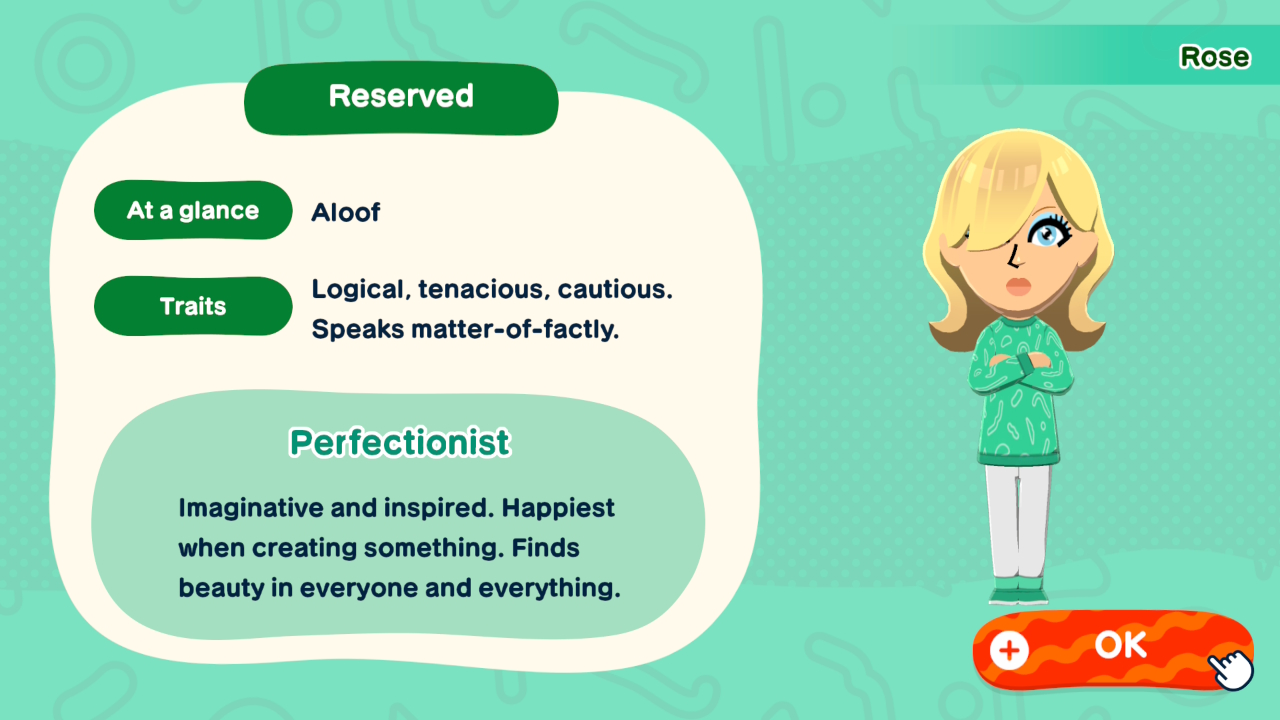
This is probably the most useful setting in the entire game. The Town Hall lets you adjust the speed at which life unfolds on your island. In plain terms: how often residents demand attention, earn Happy Seeds, make a wish at the Wishing Fountain, fall in love, or celebrate their birthday.
Three typical uses:
- Slow pace for players who play short 15-minute sessions in the evening: Miis make few demands, and every event matters.
- Normal pace — the default setting, matching the rhythm of one-off shows and a cycle of two to three daily sessions.
- Fast pace for phases when you want to push a storyline forward: bringing budding Crushes to a conclusion, watching a baby grow up faster, or quickly testing out a couple combination.
The change is reversible at any time, which invites you to adjust it depending on weekends, holidays, or the period when the island starts demanding too much of your attention.
Marriages, adoptions, and arrivals: the rules to know
The Town Hall is also where the game centralizes the rules governing the island's romantic and family life. Three main areas to know:
Relationship stages
A romance in Living the Dream goes through five official stages, in order: Acquaintances, Slight Interest, Friends, Crush, then Secret Love. The game doesn't allow you to skip a stage. The Town Hall reminds you of where each pair stands and which ones are candidates for a trip to the Wedding Chapel.
Marriages
A marriage is only triggered after an accepted confession ("Go for it!" on the player's side), followed by a waiting period. The ceremony takes place at the Wedding Chapel, with the whole island as guests. The Town Hall keeps a record of celebrated unions and streamlines invitations: this is where you can, for example, control who sponsors whom.
Babies and growing up
A married couple can have a baby, whose growth happens over in-game time. Once the child reaches adulthood, you choose whether they:
- stay on your island as a new resident (counting toward the total cap);
- or set off on an adventure to a friend's island, via GameChat or code exchange.
It's the Town Hall that locks or unlocks this step, and that warns you when the resident cap is approaching.
Arrivals
Finally, potential residents — Miis you come across, imported via QR code, or received through GameChat — all go through a waiting list managed at the Town Hall. You decide who moves in and when.
Organizing public events: concerts, fireworks, festivals
The Town Hall is the control panel from which you organize the island's big nights. These public events, distinct from the everyday micro-scenes, involve the majority of your residents and often reward a notable amount of Happy Seeds. Here are the main categories:
| Event | What it's for | Good time to launch it |
|---|---|---|
| Concert | Put a singing Mii on stage with a song written by the player; collective mood boost. | After composing several tracks to listen to; at the end of a romance arc. |
| Fireworks | A gathering evening that naturally brings closer the Miis nearing the next relationship stage. | A resident's birthday, the eve of a confession. |
| Festival | A big themed event — food, spring, beach — with dedicated outfits. | Change of season, arrival of a new resident. |
| One-off show | A TV segment that puts one or several Miis in the spotlight; mixed effect depending on personality. | When the Town Hall notifies you that a show is available. |
The golden rule: don't stack big events. A fireworks show immediately followed by a festival dilutes the effects. Always alternate with at least one everyday-life session between two highlights.
Restrictions, filters, and sensitive settings
The Town Hall finally serves as a control panel for everything you want to limit. The settings to know about:
- Resident cap: up to 70 Miis total (Nintendo lowered this figure compared to the 100 of the 3DS installment, to tighten up interactions). You can set a lower target to keep an intimate island.
- Request frequency: tied to the pace of time, it can be softened if your residents become overbearing.
- Sharing restrictions: Nintendo applies certain image-sharing limits by default to prevent the unintentional spread of personal content — the Town Hall reminds you of these settings.
- Adults only: weddings and cherubs only concern Miis marked as adults, a safeguard that unambiguously locks access to the Romantic feelings and Secret love stages for young Miis.
None of this is a mere menu gimmick: these settings shape how you'll play over the next six to twelve months of island life.
The Town Hall and the island's other hubs
To fully understand the Town Hall, it helps to place it in relation to the other key buildings:
- The Wedding Chapel carries out what the Town Hall authorizes: it celebrates the union, but it's the Town Hall that decides who can marry and when.
- The Wishing Fountain handles individual requests; the Town Hall handles collective decisions.
- The Creation Workshop customizes the Miis' appearance; the Town Hall oversees their social life.
- The Island Builder places buildings and shapes urban planning; the Town Hall regulates what happens there.
- The Photo Studio allows for free staging; the Town Hall prepares the big official gatherings.
This division explains why the game sometimes seems to "refuse" an action launched from another location: the corresponding decision actually belongs to the Town Hall. The reflex to adopt is simple — if a blockage keeps coming back, open the Town Hall first.
Our recommended settings to get off to a good start
After several dozen hours on the island, here are combinations that work well depending on your profile:
| Player profile | Resident cap | Time pace | Public event frequency |
|---|---|---|---|
| Short session, 15 min/day | 25 to 30 | Calm | 1 big event / week |
| Regular player, 30-45 min/day | 40 to 50 | Normal | 1 big event / 3 days |
| "Family and friends" island | 50 to 60 | Normal | Ceremonies (weddings, fireworks) prioritized |
| Storyline / streaming island | 60 to 70 | Fast | Almost daily themed festivals |
Nothing forces you to stick to this: the setting can be changed at any time, with no penalty. It's even one of the best pieces of advice you can give a beginner: don't hesitate to switch your pace to fast over a weekend to speed up a storyline, then go back to calm the following week.

Best practices and small pitfalls to avoid
Three common mistakes that the Town Hall lets you avoid:
- Accepting all potential residents at once. The cap set at 70 arrives quickly. Filter at the Town Hall rather than turning people away later.
- Stacking up big events. Every concert or fireworks show is worth more if it stays a special moment. The Town Hall offers the option to push an event back by a day or two: use it.
- Neglecting the time pace. Many players forget about this setting and complain that "nothing is happening" or, on the contrary, that "everything is moving too fast". A quick trip to the Town Hall fixes the problem in ten seconds.
Conclusion — the Town Hall, your best long-term tool
The Town Hall in Tomodachi Life: Living the Dream isn't a menu you open once at the start. It's the dashboard that lets you stay in control of your island as it grows: resident cap, choice of mayor, frequency of big public events, rules governing weddings and cherubs, and sharing restrictions. Get into the habit of checking it every three or four days: your island will gain in consistency, and you'll avoid the fatigue that awaits players who leave things on autopilot for too long.
Share this article
What's your relationship with City Hall in Tomodachi Life?
Frequently asked questions
How many residents can I have on my island at most?
Nintendo set the cap at 70 Miis total, a reduction from the 100 in the 3DS installment, to tighten interactions. You can set a lower target at City Hall to keep a more intimate island.
Can I refuse a Mii who's knocking at my door?
Yes, all potential residents go through a waiting list managed at City Hall. You decide who comes in and when, with no obligation to accept them right away.
What happens when my Mii child grows up?
Once they reach adulthood, you choose whether the little one stays on your island as a new resident, or heads off on an adventure to a friend's island via GameChat or an exchange code. City Hall handles this transition and checks that you don't exceed the cap.
Can I change my island's name and flag after creating them?
Yes, the name can be changed at any time at City Hall, just like the flag, which you can redesign whenever you like. Nintendo confirmed there's no word filter, for more freedom.
How can I speed up love stories or babies growing up?
Switch the pace of time to fast mode via City Hall. This option is reversible at any time and lets you quickly test out couple combinations or watch a little one grow up faster.
Key takeaways
- The pace of time can be adjusted at any moment to tailor the frequency of events to your playstyle.
- Marriages and births follow a strict five-stage relationship progression that can't be skipped.
- Chaining big public events (concerts, fireworks, festivals) back to back without pause dilutes their beneficial effects.
- The 70-resident cap can be lowered to keep the island intimate and manage interactions.
- Your island's mayor isn't you, but a Mii chosen based on seniority and popularity, changeable at will.
Comments
No comments yet. Be the first to react!
Leave a comment
Similar guides


Latest articles






Your opinion counts
Rate Tomodachi Life: Living the Dream
Click a star to rate