

 Fabian Lainé
Full Guide
Tomodachi Life A Dream Life: the 74 quirks, unlocking and assignment (2026)
In brief
Tomodachi Life: A Dream Life features 74 quirks that deeply customize the behavior of your Mii residents. This article breaks down the often obscure unlocking system, the eleven wishes needed to acquire everything, and above all the pitfalls to avoid, since a gifted quirk can never be taken back.
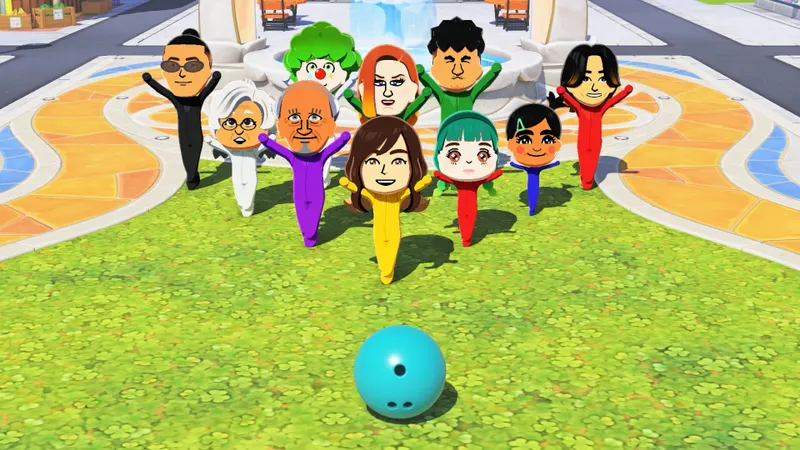
Quirks are what most separates Tomodachi Life: Une vie de rêve from the 3DS installment: 74 behaviors that you personally give to your islanders to decide how they greet, stand, walk, eat, get angry, or talk. Nintendo presents them as "one of the game's major additions" in its "Developers speak out" interview devoted to the title, citing as an example Miis who "talk loudly," who "have a small appetite," or who "move around in their sleep."
The game itself explains neither how many there are, nor at what level of the wishing fountain each family unlocks, nor — and this is the most annoying part — that a quirk once given can never be taken back. You can disable it, but not recover it. So every badly used happiness level-up is permanently lost for that Mii.
Here is the exact count of the 74 quirks, the unlock threshold for each family, the eleven wishes you need to spend on them, and the quirks that genuinely change how you play — because some do.
How a quirk ends up on a Mii
There are two successive locks, and that's what trips up most players.
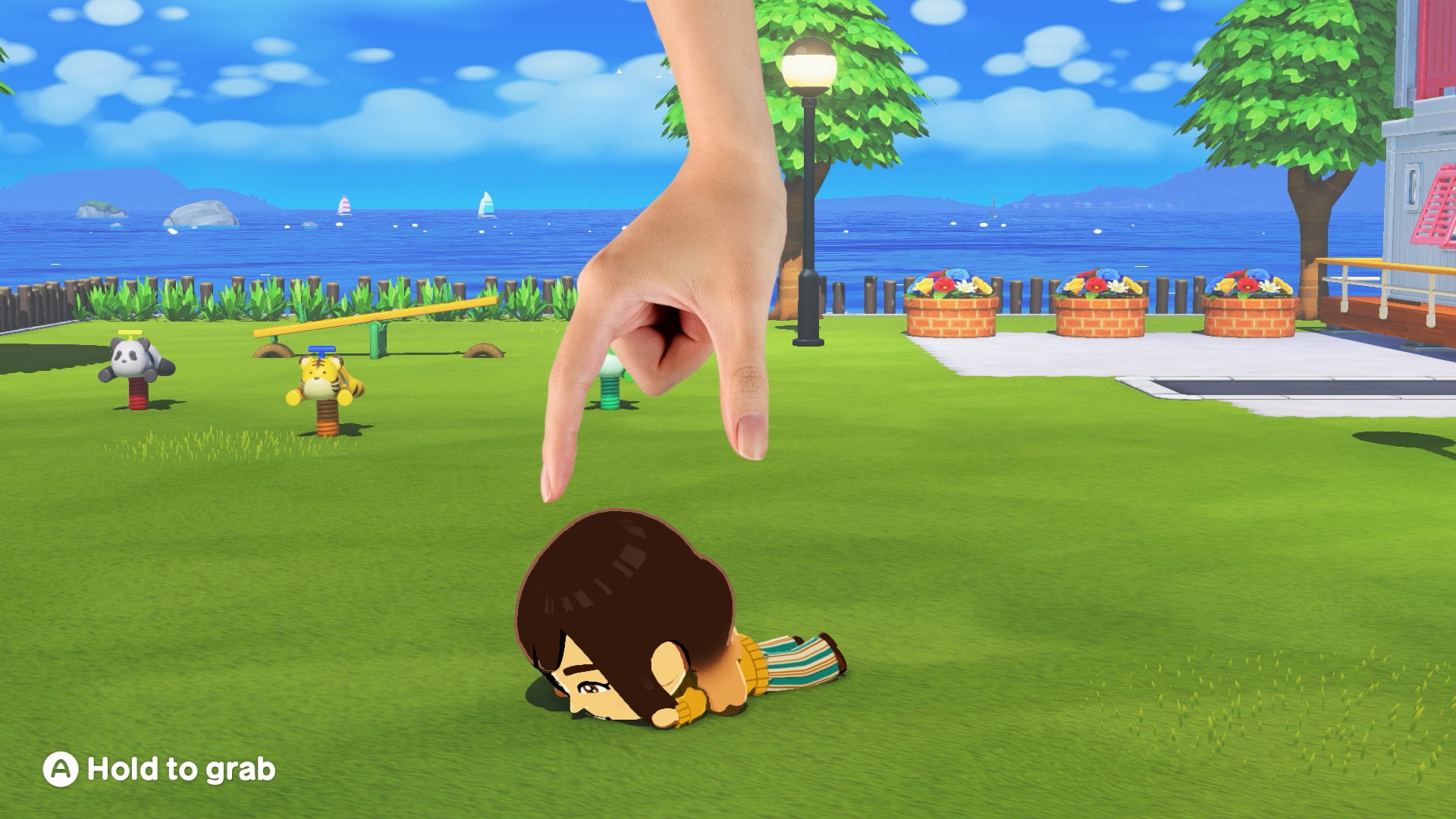
First lock: the wishing fountain. All quirk families, except greetings and postures, must first be bought as a set from the fountain's catalog, at the cost of one wish. You earn these wishes by accumulating Happiness Seeds and then pouring them into the fountain: each pour raises the fountain by one level and grants you a wish. Seeds drop when you genuinely take care of your islanders — a dish they love, a pat on the head for a downcast Mii, an islander helped back up after collapsing on the ground, a nudge to help form a friendship.
Second lock: a Mii's happiness level-up. A quirk can't be bought and placed whenever you like: it's only offered at the moment an islander gains a happiness level, and you can only give one per level. It's in direct competition with items (soccer ball, guitar, camera, karate DVD…) that the Mii can also request at that moment. In other words: a Mii who has gained ten levels has received at most ten gifts, quirks and items combined.
The unlock schedule, family by family
The thresholds below correspond to the wishing fountain's level. Until the fountain has reached the indicated level, the set doesn't even appear in the catalog.
| Family | Number of quirks | Fountain threshold | Wishes to spend |
|---|---|---|---|
| Greeting styles | 14 | Available from the start | 0 |
| Posture styles | 14 | Available from the start | 0 |
| Walks | 12 | Level 1 (fountain opening) | 2 |
| Eating habits | 8 | Level 10 | 2 |
| Appetites | 2 | Level 15 | 1 |
| Tempers | 3 | Level 20 | 1 |
| Expressions | 9 | Level 25 | 2 |
| Voices | 4 | Level 30 | 1 |
| Others | 8 | Level 35 | 2 |
Total: 74 quirks, of which 28 are accessible without spending a single wish, and 11 wishes to own the entire catalog. The families sold in pairs come in a "flashy" version and a "discreet" version: these are two separate purchases, so two wishes. In concrete terms, an islander can never receive a voice quirk before your fountain has reached level 30, regardless of their personal happiness level.
The rule you need to know before you gift anything
Three points, and the third one costs you dearly if you ignore it.
- Only one active quirk at a time per family. A Mii can only display one greeting, one posture, one walk, etc. Gifting a second walk doesn't add to it: it simply stacks in their list and replaces the previous one when you activate it.
- The "Other" family is the only exception. It's the only one where several quirks can run at the same time on the same islander. A Mii can therefore perfectly well snore very loudly, go to bed very late, and change clothes often.
- A gift can't be taken back. You can check a Mii's list of quirks and activate or deactivate them at will from their profile (Y button), but you will never get back the quirk or the level you spent. Gifting the same quirk twice to an islander means one wasted level.
Appetites: the only two quirks that change a game rule
Most quirks are purely behavioral. Appetites, unlocked at fountain level 15, are the exception: they modify a Mii's stomach capacity, which is set by default to 4 units of food before feeling full.
- Big Appetite: stomach capacity rises to 6 units.
- Small Appetite: stomach capacity drops to 3 units.
Since feeding an islander a dish they love is one of the actions that earns the most Happiness Seeds, a bigger capacity means more opportunities to treat them before they refuse to eat. Conversely, "Small Appetite" has its uses on a heavily populated island: grocery runs cost less and you finish your morning rounds faster. These are the two quirks to reserve for Miis whose favorite dish you already know.
The quirks that truly change your daily life
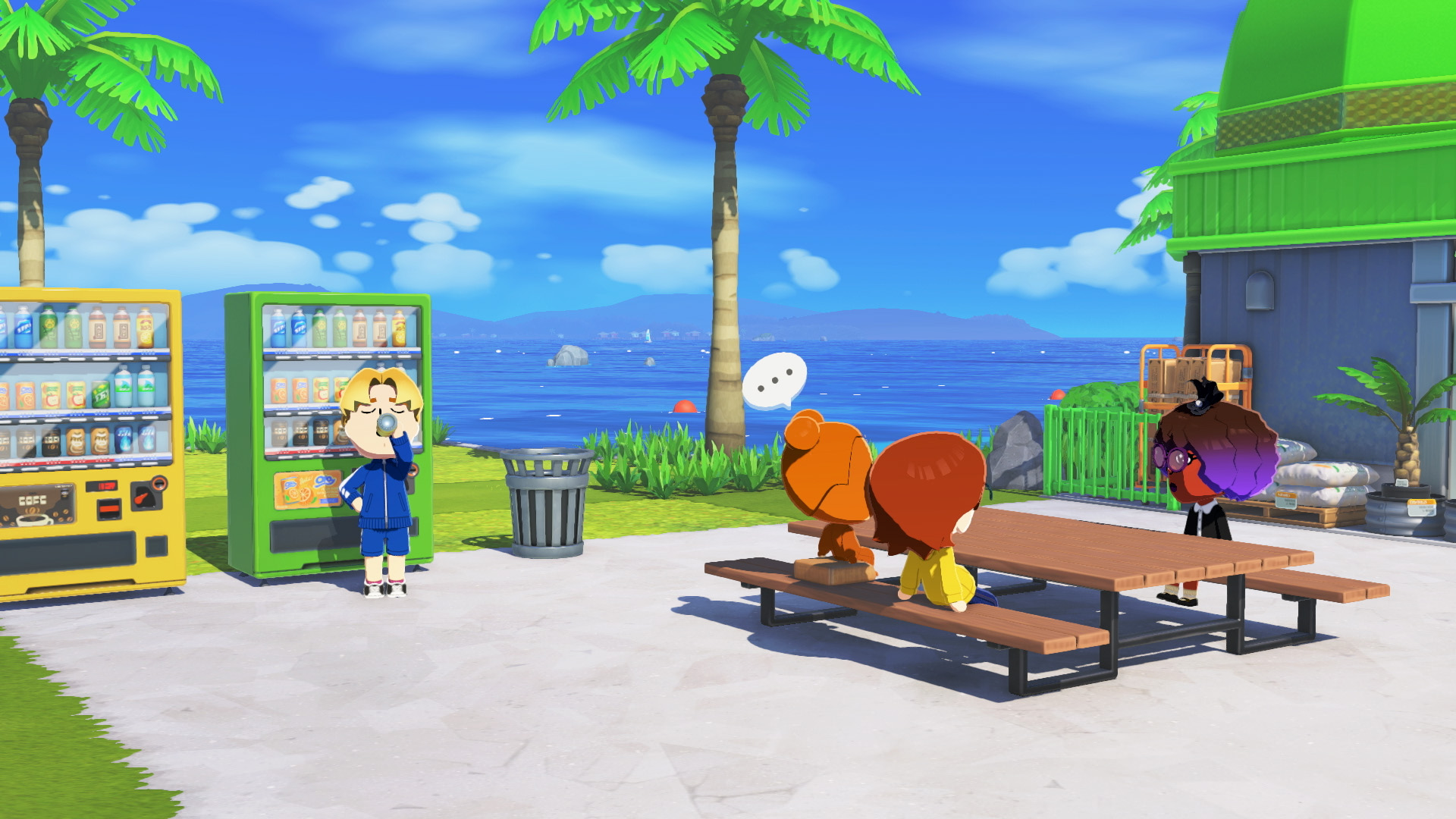
Not all of them are equal. Some are mere animations, others change how readable your island is or affect your routine.
- Goes blank-faced (Expressions family): the Mii no longer displays its emotional reactions. This is the trickiest quirk in the game, since you usually spot a resident who's feeling down by their face. Avoid it on a Mii you're keeping a close eye on.
- Doesn't greet (Greeting Styles): the resident ignores other people's greetings and never offers any of their own. Great for playing up a grumpy character, but unpleasant if you like seeing your island buzz with life.
- Stays up very late (Other): the Mii sleeps during the day and only gets up at nightfall. If you play in the morning, you'll never run into them.
- Changes outfits often (Other): the resident digs into their own wardrobe and mixes pieces together. The outfit you carefully put together for them won't survive the day.
- Speaks softly and Speaks loudly (Voice): beyond the tone of voice, these two quirks also change the size of the text displayed in speech bubbles.
- Takes it out on objects (Other): the Mii vents their frustration on the surrounding furniture when upset. Very funny on video, but save it for a resident whose issues you're already managing well.
- Farts shamelessly and Snores very loudly (Other): the two quirks most requested by the community, and two ideas the development team long hesitated over before turning them into fully-fledged minor quirks.
What order to spend your eleven wishes in
Wishes aren't just for quirks: the same currency funds the island builder's flooring, street furniture, interior sets, and travel destinations. Eleven wishes devoted to quirks is far from a neutral choice. Recommended order of priority:
- Appetites first, from level 15: just one wish, and it's the only family with a measurable effect on your daily economy.
- Then Walking Styles, as soon as the fountain opens, but only one of the two sets at first. Walking styles are visible at all times, making them the best readability-to-wish ratio; the second set can wait.
- Eating Styles and Anger reactions can wait: they're only visible during meals or moments of frustration.
- Expressions, Voice, Other arrive late regardless (levels 25, 30, and 35). At that point, the question isn't whether you can afford them anymore, but which of your residents deserve the levels needed to unlock them.
The concrete plan so nothing goes to waste
Start by not spending anything on your first two or three residents: their early levels come up quickly, and at that stage you only have greetings and postures available. Instead, jot down, for each Mii, the quirk you eventually want to give them—it's the only way to avoid unfixable duplicates.
Next, deliberately let a few residents build up happiness without spending their levels until the fountain reaches level 15. At that point you'll unlock Appetites, Walking Styles, and Eating Styles all at once, and you'll be able to build coherent characters instead of handing out quirks at random.
Finally, keep in mind that 74 quirks for a maximum of 70 residents doesn't mean one quirk per Mii: each resident can stack one from each family plus several from the "Other" category. A well-run island is a handful of truly distinctive Miis, rather than seventy residents with a funny walk and nothing else.
Share this article
Which type of quirk appeals to you most for customizing your Miis?
Frequently asked questions
How do you obtain quirks in Tomodachi Life: A Dream Life?
There are two locks: first, you have to buy the quirk family at the wishing fountain by spending wishes (obtained by pouring in Happy Seeds). Then, the quirk is only offered when a resident gains a happiness level, competing directly with the items they could receive instead.
How many wishes are needed to acquire every quirk?
Exactly 11 wishes let you own the entire catalog. Greetings and poses are free from the start and cost no wishes at all.
Can you remove a quirk you've already gifted to a Mii?
No, that's the game's major pitfall. You can disable it from the Mii's profile, but you never get it back. The happiness level spent on it is lost for good.
Which quirks actually change how you play?
Appetites alter the Mii's stomach (a measurable effect on the economy). Among the others, 'Keeps a straight face' removes visual emotional reactions, 'Stays up very late' makes the resident invisible during the day, and 'Changes clothes often' destroys the outfit you've put together.
In what order should you spend your 11 wishes?
Top priority goes to Appetites (level 15, just one wish, a real economic effect), followed by a batch of Walks for visibility. Eating Habits and Tempers can wait. Airs, Voices, and the rest arrive too late to be a strategic priority.
Key takeaways
- The 74 quirks unlock in two stages: first purchased at the wishing fountain (11 wishes in total), then gifted to the Mii as their happiness level goes up.
- Only one active quirk per family at a time, except for the 'Others' family, which can stack several on the same resident.
- Appetites are the only two quirks that change the game's rules by altering a Mii's stomach capacity.
- A gifted quirk can never be taken back: every happiness level spent poorly is permanently lost for that Mii.
- Start with Appetites (level 15), then Walks, before tackling late families like Voices and Airs (levels 30-35).
Comments
No comments yet. Be the first to react!
Leave a comment
Similar guides

Latest articles






Your opinion counts
Rate Tomodachi Life: Living the Dream
Click a star to rate