

 Fabian Lainé
Full Guide
Hearthstone Keywords: The Complete List Explained
In brief
Hearthstone is built on 66 official keywords that fully structure gameplay. This guide catalogs each one for 2026, with their status (Standard, Wild or new addition), precise description and the critical interactions to master. From fundamentals like Battlecry and Taunt to emerging mechanics like Corrupt... wait, Summon, this is your complete reference for reading the board and anticipating combos.
Hearthstone isn't just a card game: it's a mechanical Tower of Babel where sixty-six keywords coexist, each with its own timing, its own interactions, its own flavor. A player who masters the glossary reads the board faster, anticipates opponent combos, and immediately evaluates the value of a discovered card. In 2026, the release of CATACLYSM and the Year of the Beetle added two major novelties (Convoke and the reintroduced Kinship) that redefine the Standard meta.
This guide lists the 66 official keywords from the English Hearthstone client, across all formats, with an iconic visual card for each keyword. For each one you'll find: the official English name, the format status (Standard, Wild, or 2026 novelty), and a precise description including key interactions (Silence vs. Taunt, Divine Shield vs. Poisonous, Spell Damage stacking...).
Whether you're a beginner trying to understand why your Silver Hand Squire doesn't die on the first hit, or a Legend player looking to review the subtleties of Icon+, this glossary is your reference for the 2026 meta. Illustrations: all card visuals come from the official Hearthstone client.
All cards illustrated: © Blizzard Entertainment
Fundamentals: the eternal keywords
These are the foundations of the game, present since the beginning and never rotated out in Wild: every new player encounters them in Standard from the very first games of the Heart mode.
Battlecry
Status: Standard
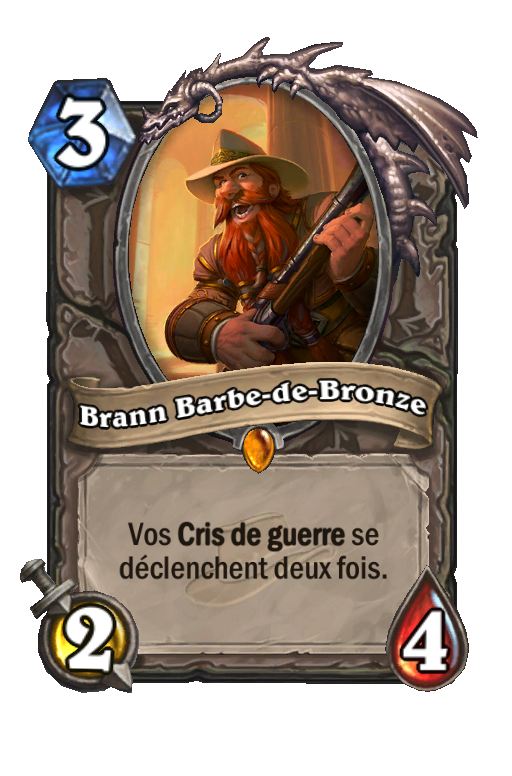
Effect triggered the instant you play the card from your hand. Battlecry is the game's most iconic mechanic: it covers drawing cards, dealing damage, summoning a minion, or buffing an ally. It doesn't trigger if the minion is put into play by another means (summon, resurrection). Some cards like Brann Bronzebeard double its effect.
Deathrattle
Status: Standard
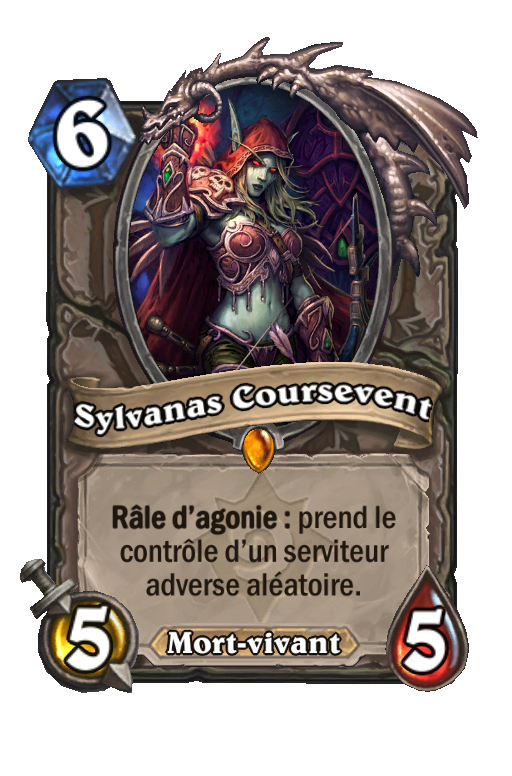
Effect triggered when the minion is destroyed. Deathrattle covers creating tokens, drawing cards, resurrection, or stealing enemy minions. It can be removed by a Silence, copied by cards like Baron Rivendare (double trigger), or reactivated through resurrection effects.
Charge
Status: Wild
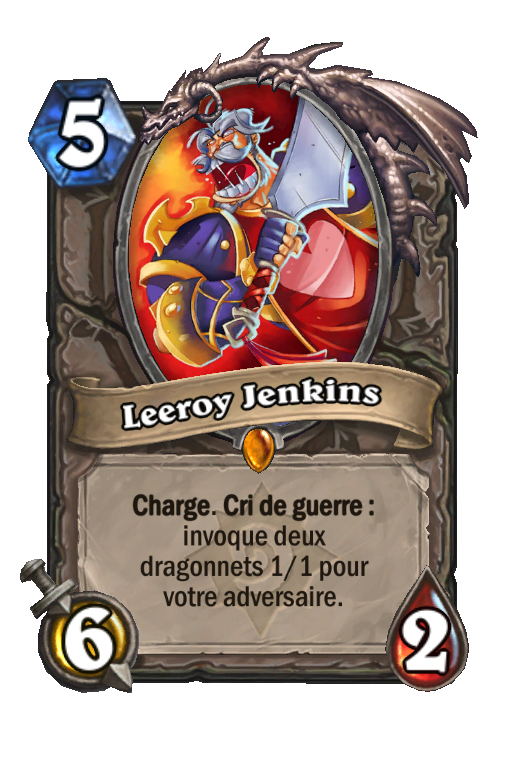
Allows the minion to attack the very turn it's played, targeting allies or enemies (including face). Historically one of the most dangerous engines for one-shot damage combos, Charge has been progressively made rarer in Standard, with most recent cards instead using the Rush keyword, which is less aggressive against the hero.
Rush
Status: Standard
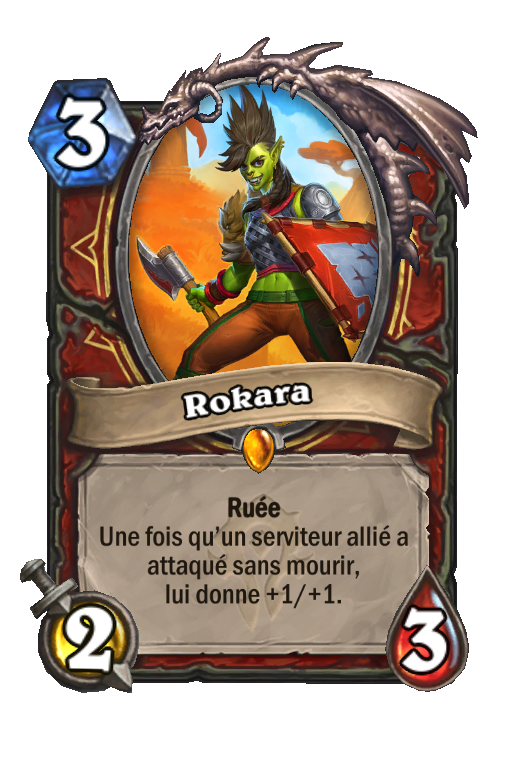
The minion can attack the turn it is played, but only enemy minions. Introduced in 2018, this keyword has gradually replaced Charge to offer defensive tempo without allowing one-shots. A Rush minion can still trigger an opposing Taunt. It has become evergreen and appears in every expansion.
Taunt
Status: Standard
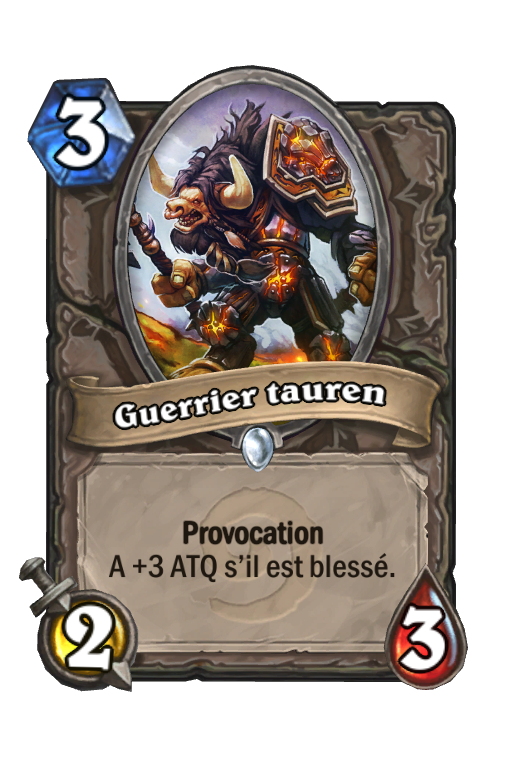
Enemy minions must attack a Taunt target before any other minion or the hero. A cornerstone of the game's defense, Taunt protects the hero and weaker minions. It is removed by Silence, bypassed by Stealth, and does not affect spells. Magnetic Taunts or those with Divine Shield are particularly strong.
Divine Shield
Status: Standard
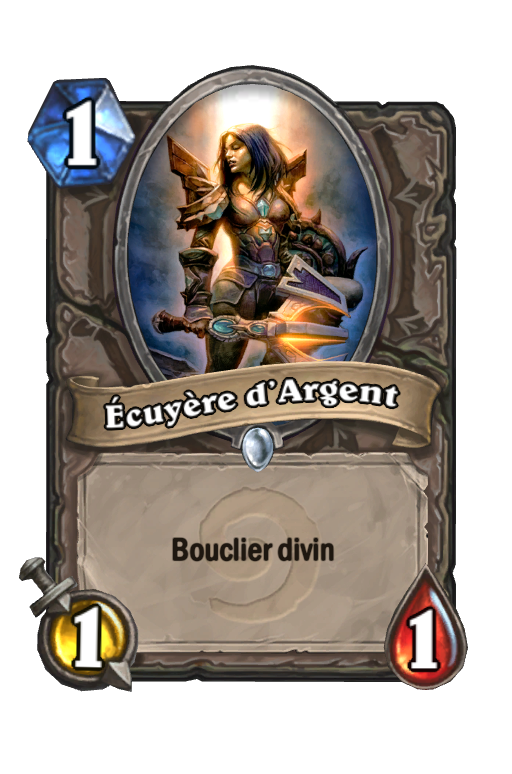
Absorbs the first source of damage taken by the minion, regardless of its value. The shield then disappears, but can be restored by specific effects (Blessing of Kings, Wing of the Righteous). Key interaction: Divine Shield protects against Poisonous, since it cancels the damage that would have killed the minion, preventing its destruction.
Poisonous
Status: Standard
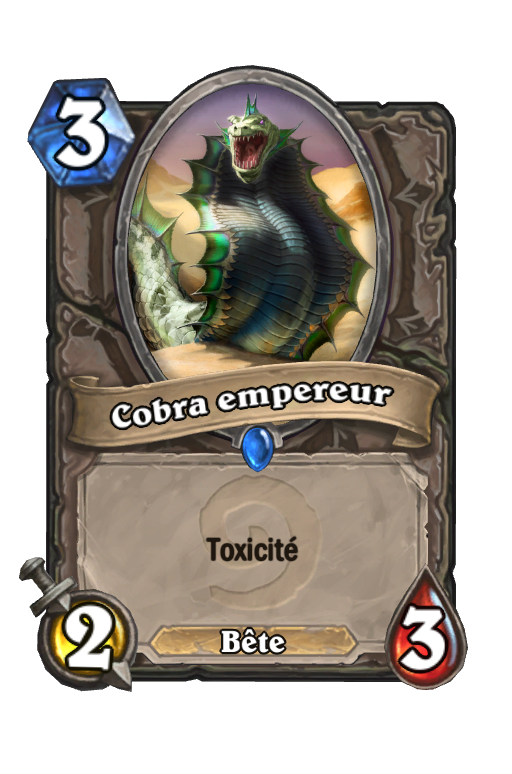
Any enemy minion that takes even one point of damage from a Poisonous source is destroyed. Ideal for removing big threats cheaply. Poisonous does not apply to the hero and is blocked by Divine Shield. It has been partially superseded by the Venomous keyword, which destroys without the damage being cancelled by Divine Shield.
Lifesteal
Status: Standard
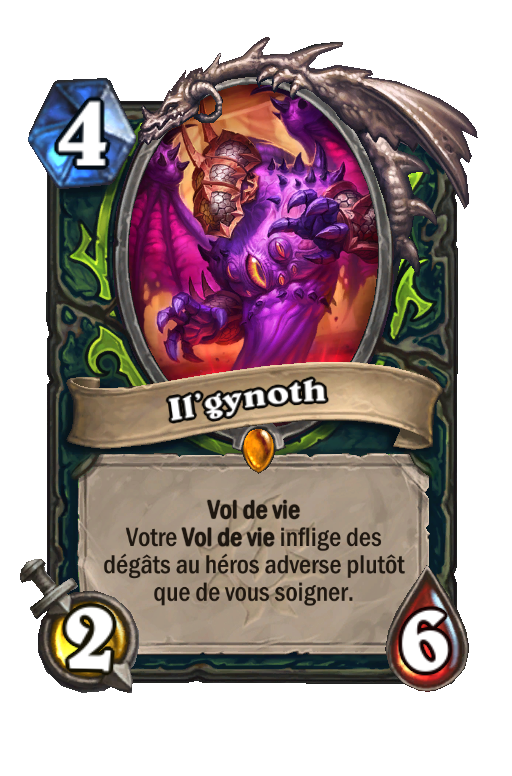
Damage dealt by the card heals the hero for the same amount. Introduced with Knights of the Frozen Throne, Lifesteal stabilizes aggro-control decks and negates opposing burn strategies. It works on both attacks and spell damage, and stacks with Spell Damage.
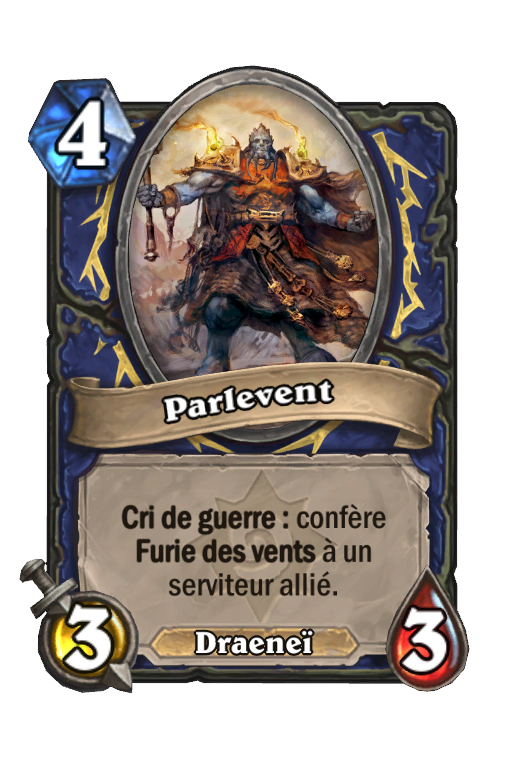
Windfury
Status: Standard
The minion can attack twice per turn. Historically associated with the Shaman via totems and weapons, this keyword combines powerfully with attack buffs (Rockbiter, Flametongue). It does not double "whenever you attack" effects more than once if the effect is unique per turn.
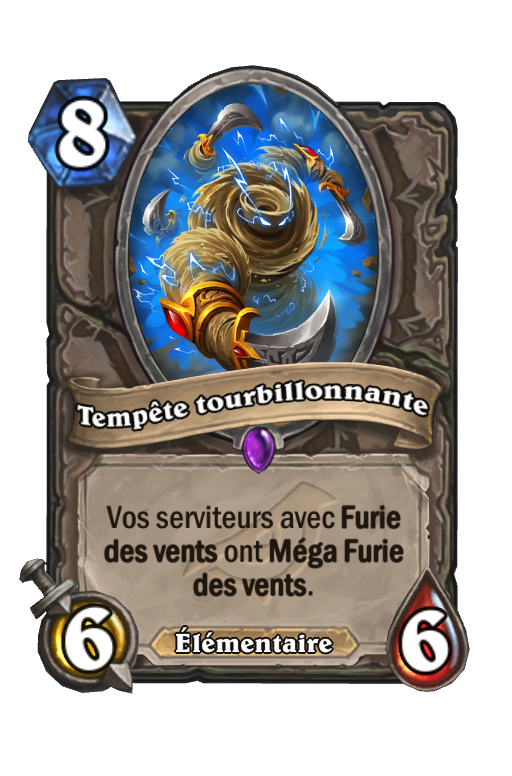
Mega-Windfury
Status: Wild
Amplified version of Windfury: the minion attacks four times per turn. Extremely rare, this keyword remains essentially tied to the fusion of the three Mekkatorque V-07-TR-0N modules (Gadgetzan cards). A collector's gem in Wild format, virtually absent in Standard.
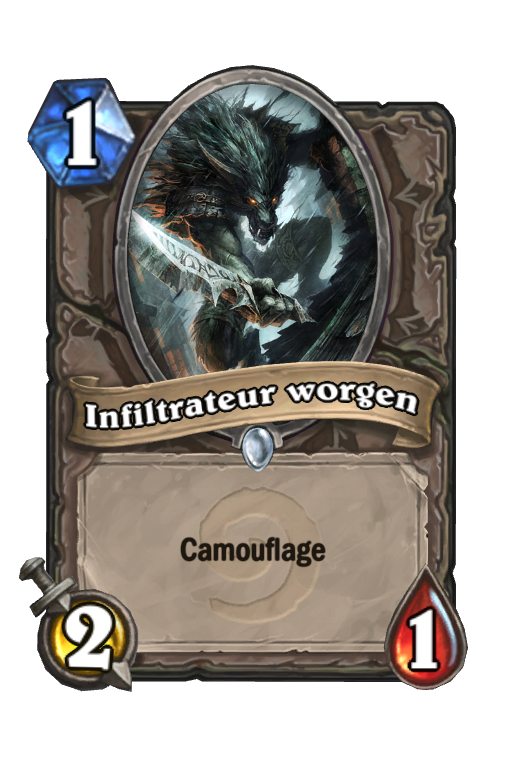
Stealth (Stealth)
Status: Standard
The minion cannot be targeted by enemy attacks, spells, or hero powers until it has attacked. It remains vulnerable to untargeted effects (area damage, random effects). Attacking immediately removes Stealth. Combined with Poisonous or Lifesteal, it becomes a fearsome tempo threat.
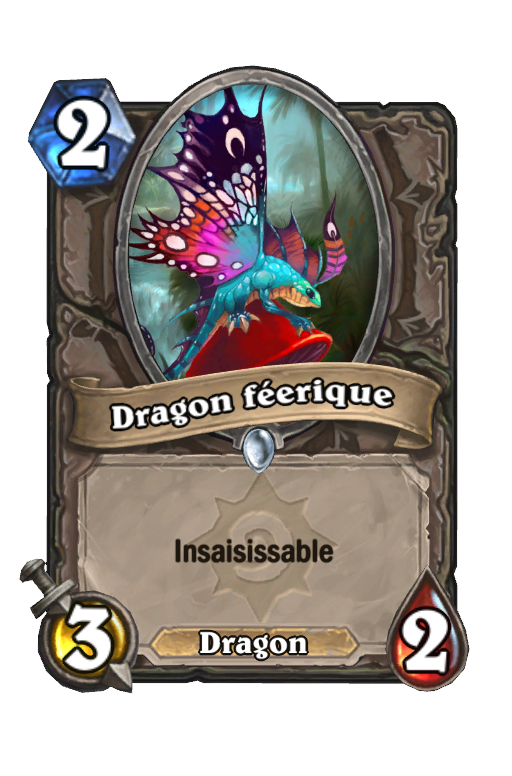
Elusive (Elusive)
Status: Standard
The minion cannot be targeted by any spell or hero power, whether friendly or enemy. Unlike Stealth, Elusive never disappears and does not prevent direct attacks. Frustrating for the opponent who loses the use of their targeted removal, this keyword first appeared as "Can't be targeted by spells" before becoming an official keyword.
Immune (Immune)
Status: Standard
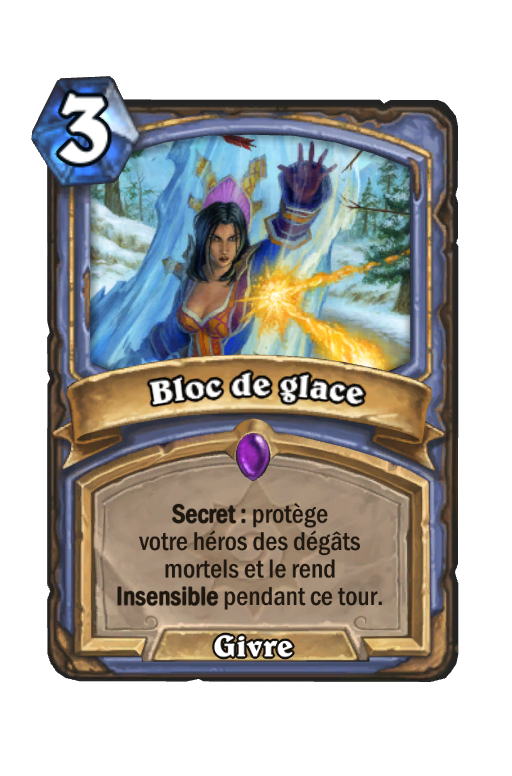
The entity cannot take any damage from any source whatsoever. Immunity is usually conditional and temporary: until your next turn, after attacking, as long as an effect is active. The hero can also become Immune via Ice Block or Zephrys the Great. No interaction (attack, spell, power) can reach an Immune target.
Silence (Silence)
Status: Standard
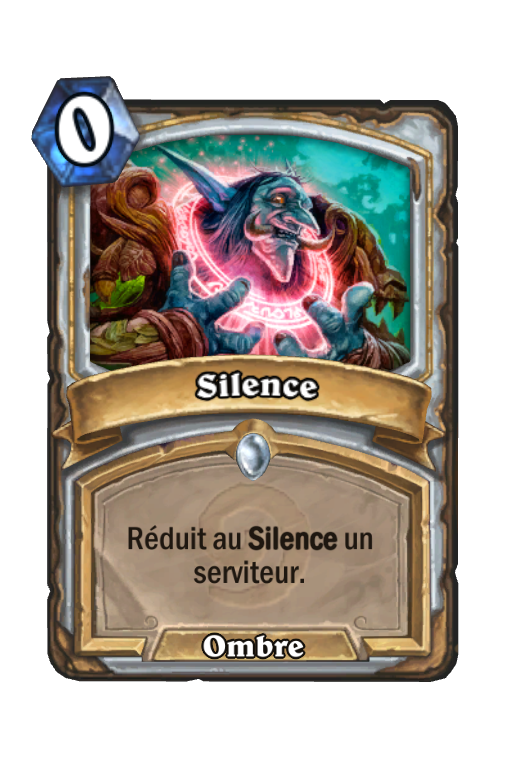
Removes all effects, buffs, debuffs, and keywords from the targeted minion, as well as its text. The card becomes a simple base statline again. Silence is the ultimate counter to large Taunts, dangerous Deathrattles, or enchanted minions. It does not remove mana cost changes nor destroy the card: the minion remains on the board, bare.
Discover, generation, and neutral effects
These keywords drive value generation, spell manipulation, and Secrets. They span all classes and define the modern pace of Hearthstone.
Discover (Discover)
Status: Standard
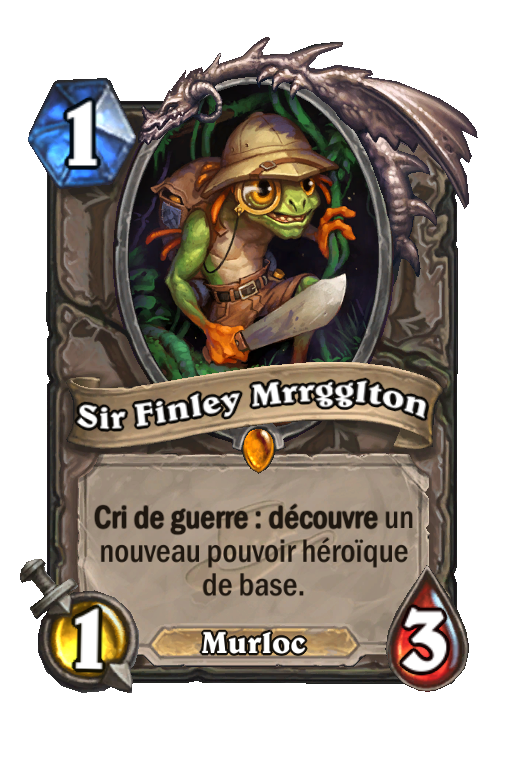
Presents three random cards based on a theme (class, cost, type): you choose one to add to your hand. Introduced with the League of Explorers, this keyword has become central to value generation and casual fun. Discovered class cards come only from your active class.
Dark Gift (Dark Gift)
Status: Standard
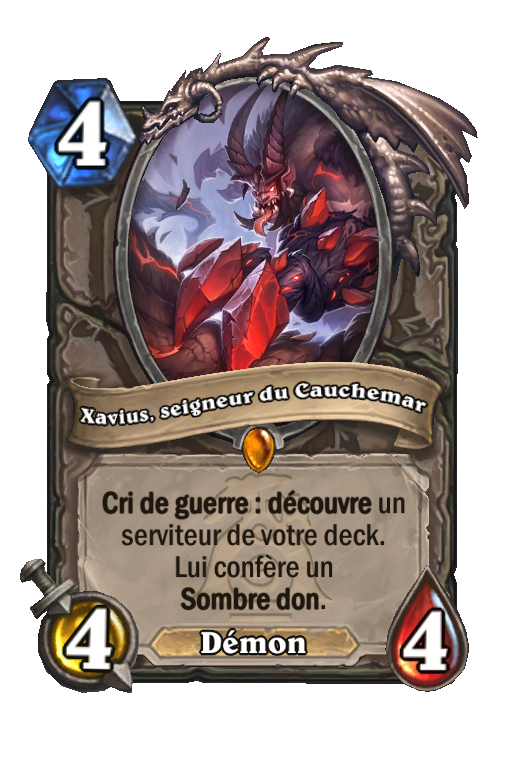
Introduced with Whizbang's Workshop... wait, no, introduced with The Heart of the Grove (2025), Corrupt buffs certain minions discovered by sanctum classes (Death Knight, Demon Hunter, Rogue, Warlock, Warrior). Ten possible Corrupt buffs offer varied effects (stats, Deathrattle, Lifesteal), turning every Discover into a corrupted gamble.
Lackey
Status: Wild
Small 1/1 minions with varied effects (Battlecry buffs, freezing, damage). Introduced with Rise of Shadows, the original five Lackeys were generated by the EVIL classes (Rogue, Warlock, Warrior, Hunter, Shaman). Despite their 1 mana cost, their combo potential got them banned from Standard to balance the meta.
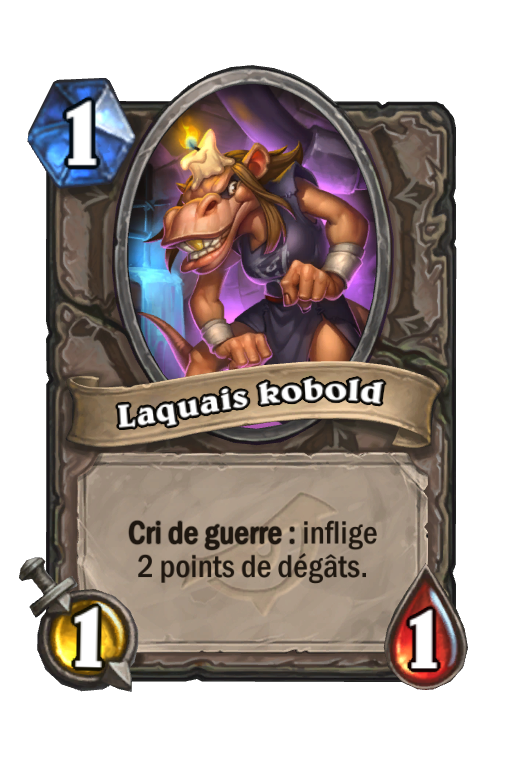
Spare Parts
Status: Wild
1 mana spells generated by certain Mech cards and replayed from hand. Each Spare Part (Reversing Switch, Rusty Horn, Whirling Blades...) offers a mini-effect for 1 mana. A concept from The Grand Tournament and Mean Streets of Gadgetzan, it would later pave the way for modern generation mechanics.
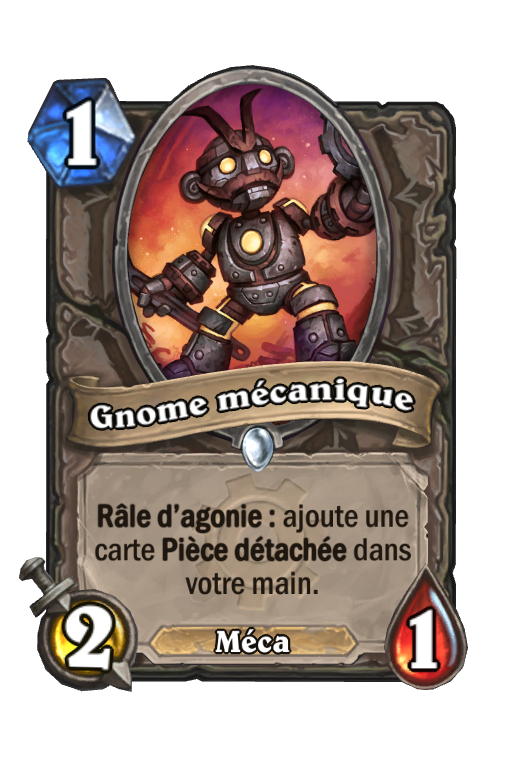
Spell Damage
Status: Standard
Your spells and Hero Powers that deal damage deal X more damage per active source. Spell Damage effects stack across minions. They only apply to spells that deal direct damage and do not improve minions' attack damage. The key to Burn Mage and Totem Shaman decks.
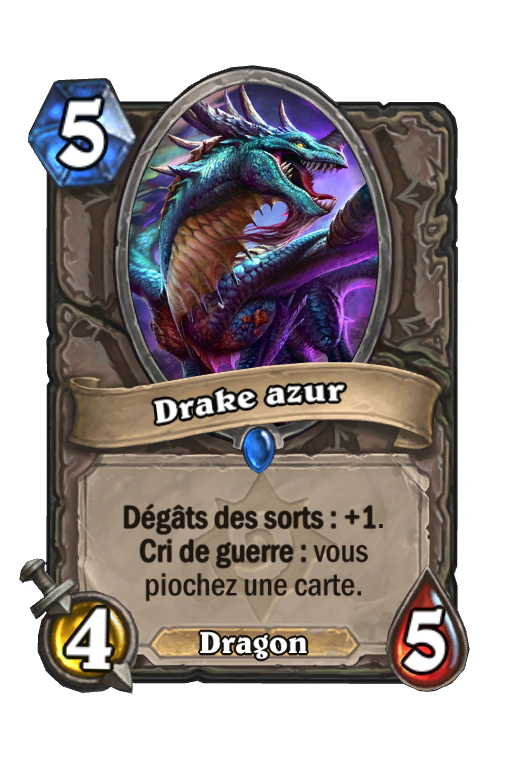
Nature Spell Damage
Status: Standard
A targeted variant of Spell Damage introduced with The Heart of the Grove: it only amplifies spells from the Nature school (lightning, growth, insects, etc.). It rewards mono-school Shaman or Druid decks that stack lightning and storm damage.
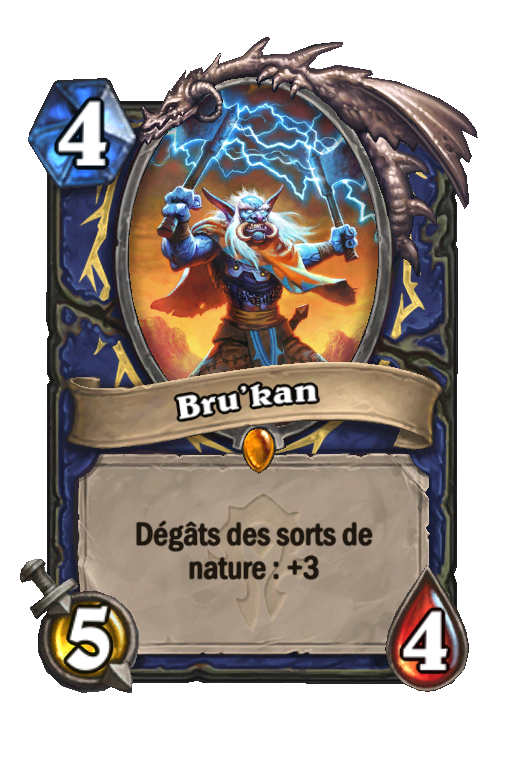
Freeze
Status: Standard
Frozen characters cannot attack on their next possible action. Freeze wears off after preventing that attack. It does not stack, but it can be reapplied. Central to the Frost Mage and Elemental Shaman archetypes, it combines with "if a character is frozen" effects for explosive combos (Frost Queen).
Counter
Status: Standard
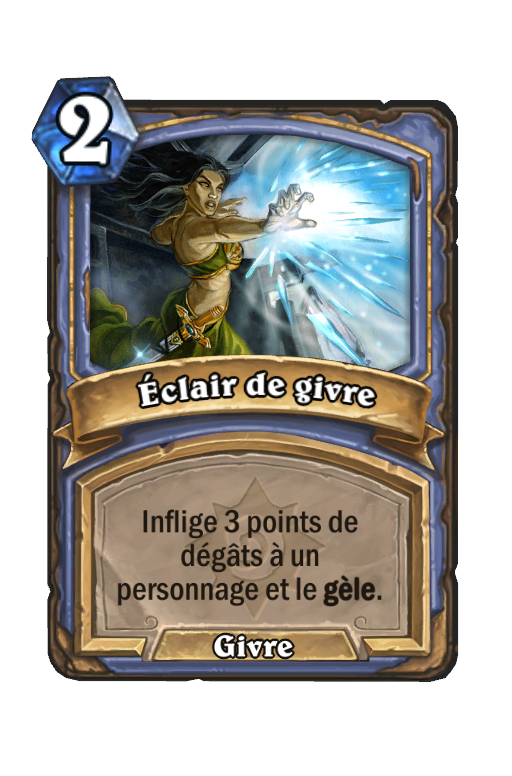
Prevents the opponent's played card from producing its effect. It is discarded as though it had never been played, without costing the opponent their mana (the mana is lost). Found on Mage Secrets like Counterspell or on very specific cards, it is one of the game's few tools for direct counter-reaction.
Secret (Secret)
Status: Standard
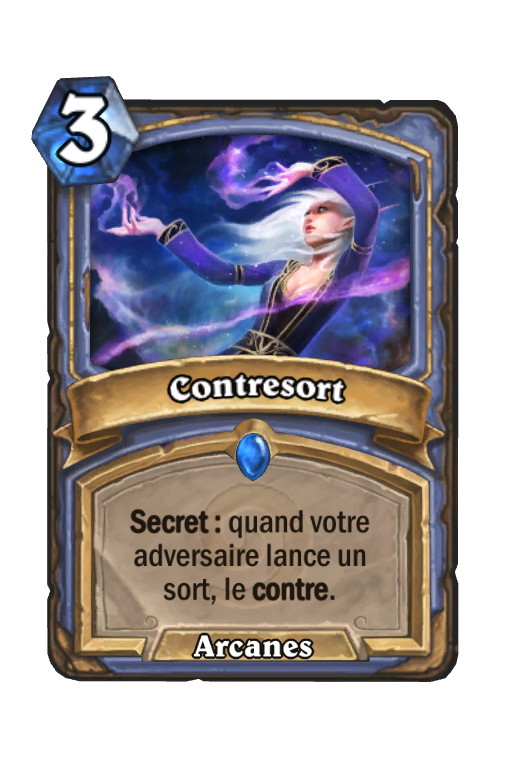
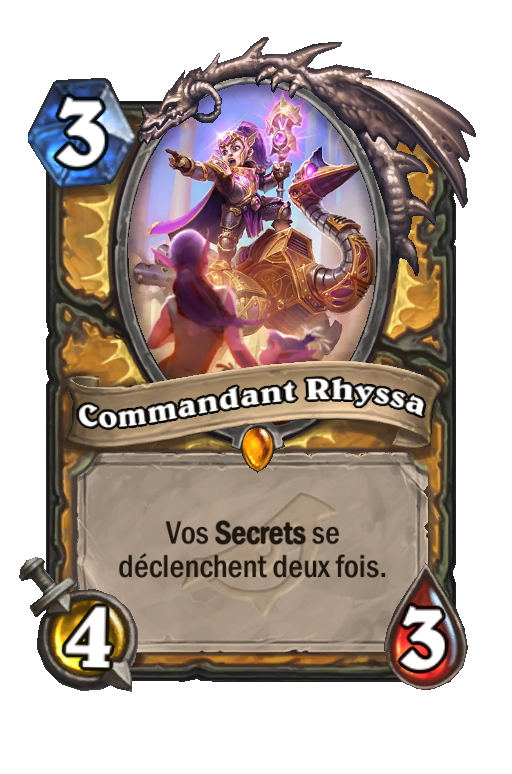
A spell cast face down that triggers under certain conditions (attack, opponent's spell, summon). The opponent doesn't know about the Secret until it triggers. Each class has its own unique Secrets (Mage, Paladin, Hunter, Rogue). It's impossible to activate two identical Secrets, but you can play as many different Secrets as you like (board limit: 5).
Casts When Drawn (Casts When Drawn)
Status: Standard
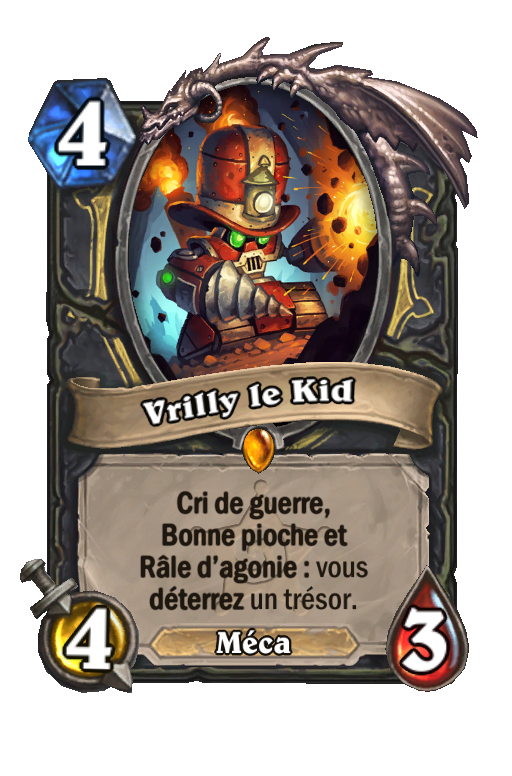
The spell is automatically cast free of charge as soon as it's drawn. There's no interaction possible on the player's part: the effect triggers on its own. Introduced originally with cards like Tracking, this concept has since evolved into automatic tokens (Astalor, Party Anniversary).
Iconic class keywords
Each class has its own mechanical signature. Here are the keywords that embody the identity of one or more classes, often found in their Core or Basic decks.
Combo (Combo)
Status: Standard
Rogue keyword: the card gains an additional effect if you've already played another card during the turn. Doesn't stack (playing three cards doesn't triple it). Fundamental to Rogue tempo and Miracle archetypes, it rewards well-orchestrated, mana-heavy turns, often via Preparation.
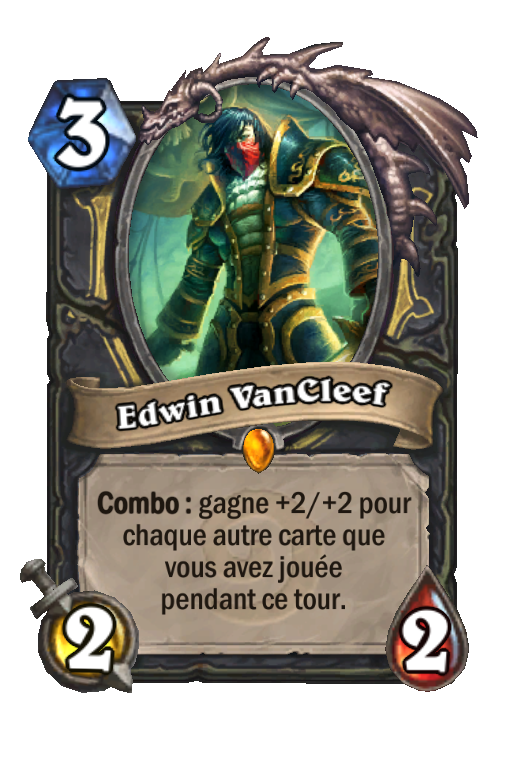
Preparation (Preparation)
Status: Wild
A historic Rogue spell that reduces the cost of the next spell played this turn by 3 (originally 3). A cornerstone of Miracle Rogue combos, Preparation enables explosive chains. Nerfed and changed over the years (2 mana reduction, alternate effects), it's now mainly found in Wild format.
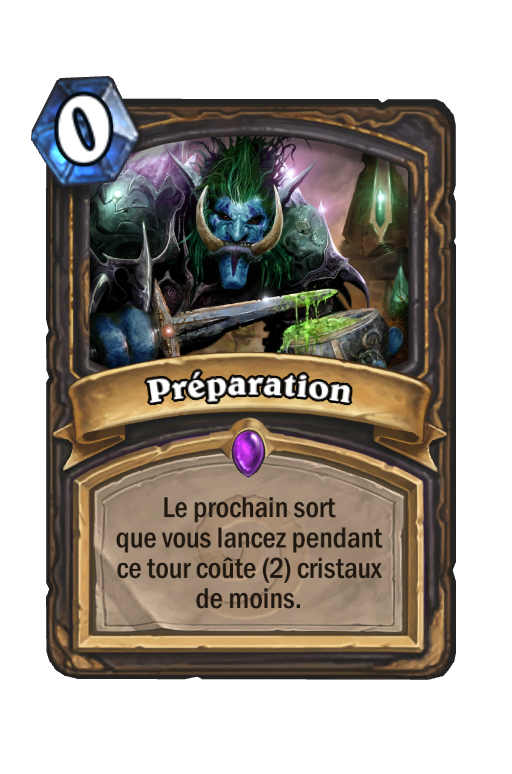
Outcast (Outcast)
Status: Standard
Demon Hunter keyword: the card gains a bonus effect if it's played from either end of your hand. Rewards careful management of hand order. Introduced with Ashes of Outland when the new class was added in 2020, it remains emblematic of the Demon Hunter's aggressive tempo playstyle.
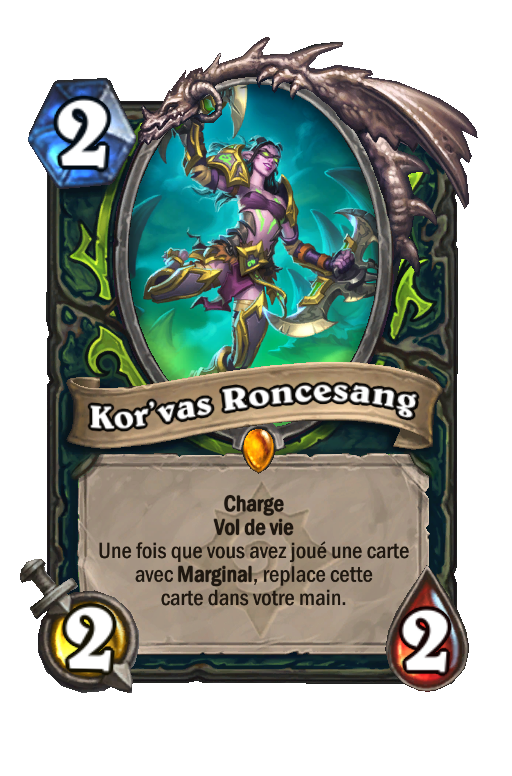
Sigil (Sigil)
Status: Standard
Demon Hunter keyword: a spell that activates at the start of your next turn. You invest the mana this turn to benefit from the effect later. Sigils sit on the board and are visible to the opponent. Introduced with Fractured in Alterac Valley, they reward forward planning and prepared combos.
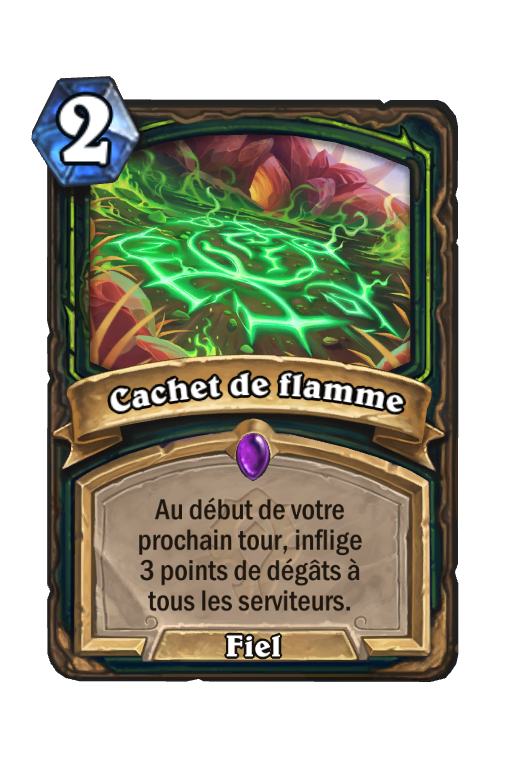
Sigil+ (Sigil (Overloaded))
Status: Standard
An upgraded version of Sigil: when triggered, it applies an enhanced effect (double trigger, multiple targets). Some Demon Hunter cards can transform a Sigil into a Sigil+, doubling its strategic value. Few cards make use of this variant, but the ones that do (Kayn Sunfury variants) are fearsome.
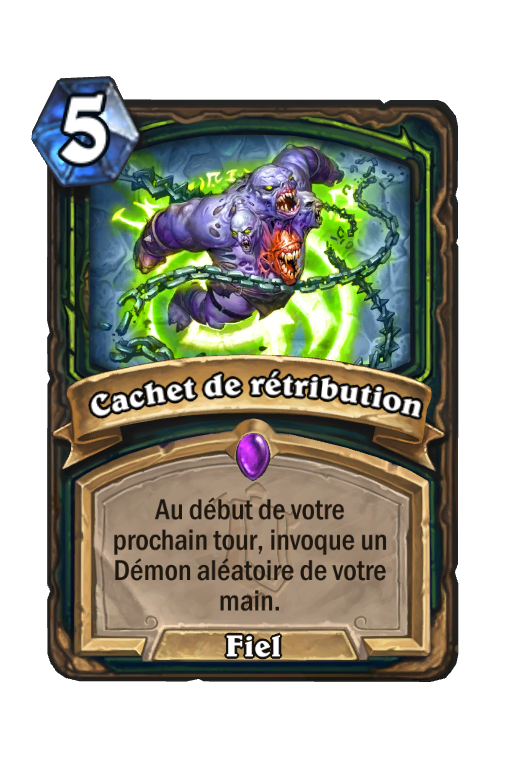
Overload: X
Status: Standard
Shaman keyword: X mana crystals are locked at the start of your next turn. So you're spending more than it appears. Central to Shaman design since launch, Overload balances the power of Shaman spells. Cards like Snowfall Guardian, on the other hand, make use of Overloaded crystals to gain a bonus.
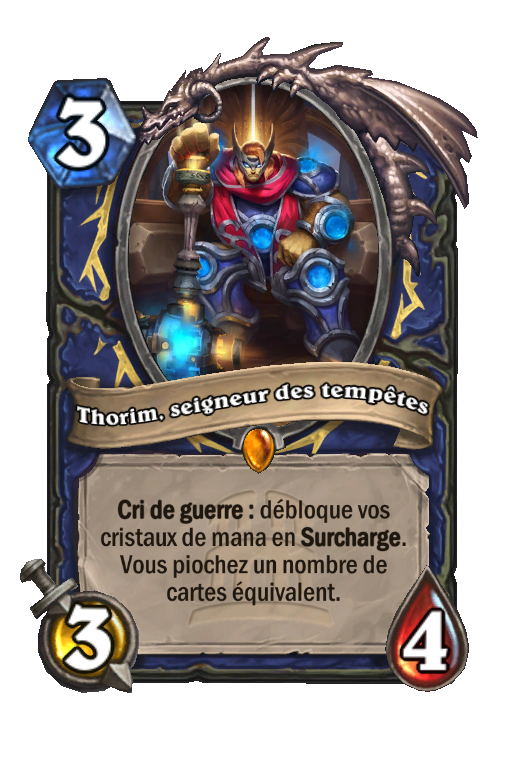
Corpse
Status: Standard
A resource exclusive to Death Knight: every friendly minion that dies generates a Corpse stored in a counter. Some cards consume X Corpses for a massive effect (summons, damage, buffs). Corpse replaced the blood generation from the DK prealpha. It doesn't carry over between games.
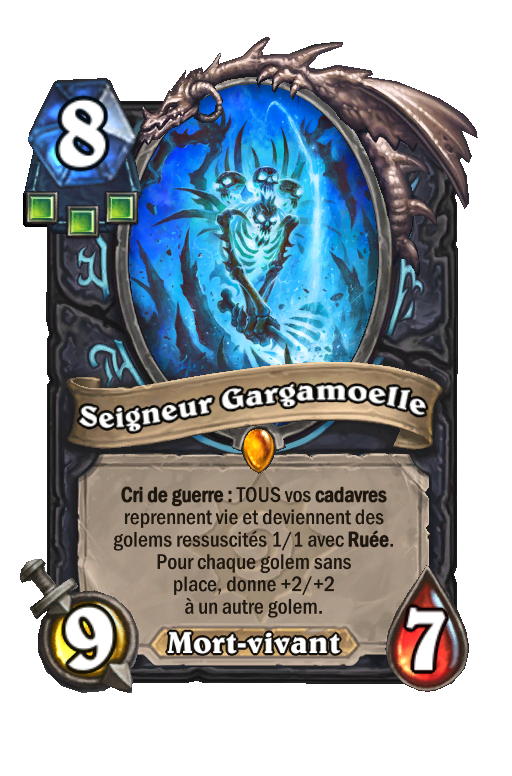
Infuse
Status: Standard
Death Knight keyword: the card gains a permanent effect once a certain number of friendly minions have died while the card is in hand. A small icon informs the player of the progress. The Infused version of the card is visually marked. Works just as well on offense as on defense.
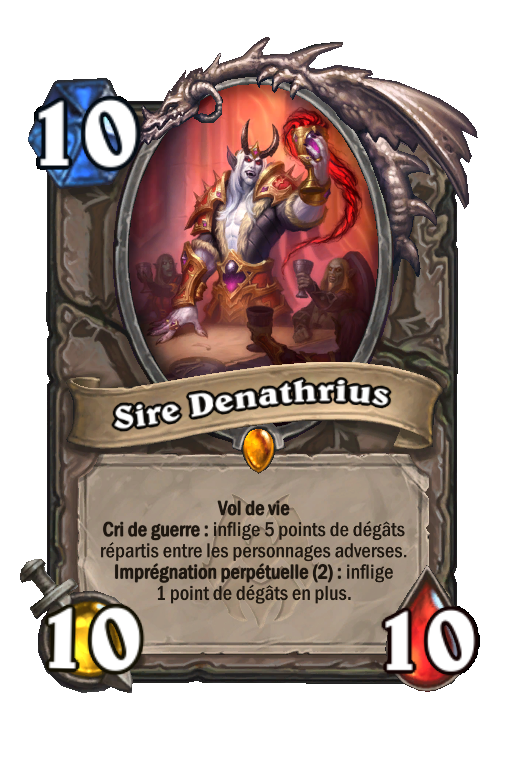
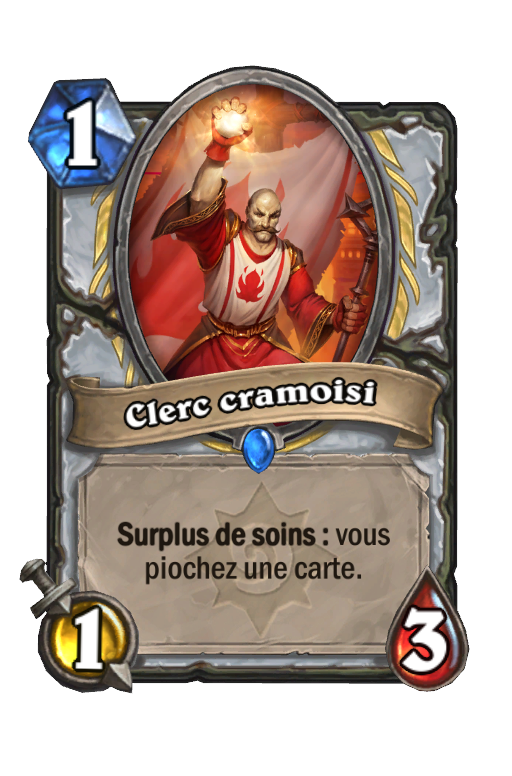
Overheal
Status: Standard
Priest keyword: triggers an additional effect when a minion is healed beyond its maximum Health, even if the excess Health is lost. Rewards Priest heal-spam strategies. Overheal is calculated on the exact amount of overhealing, even a single point of Health.
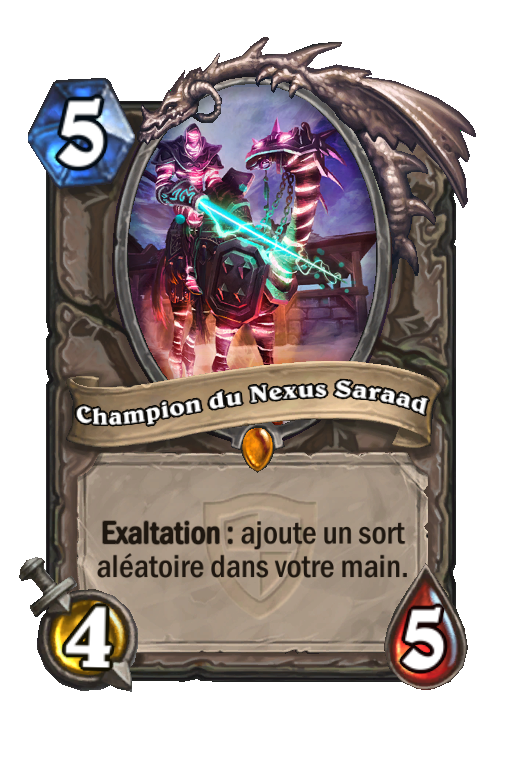
Inspire
Status: Wild
An effect triggered every time you use your Hero Power. Introduced with The Grand Tournament, this keyword rewards strategies built around the Hero Power (Paladin, Hunter, Warrior). Rarely used since 2016, but still iconic. A nostalgic value in the Wild format.
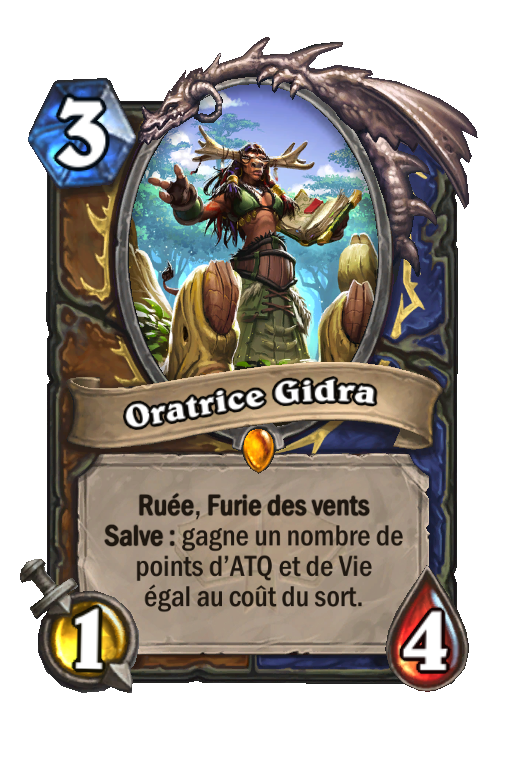
Spellburst
Status: Standard
One-time effect triggered the first time you cast a spell while the minion with Combo is on the board. Useful for tempo combos: play the minion, then a spell that activates it. Introduced with Scholomance Academy, this keyword is especially prevalent among Mage, Druid and Shaman.
Recent expansions: from Un'Goro to CATACLYSM (2017-2026)
Every new expansion brings its own batch of brand-new keywords. This section traces the mechanical evolution of Hearthstone from Journey to Un'Goro (2017) to CATACLYSM (March 2026).
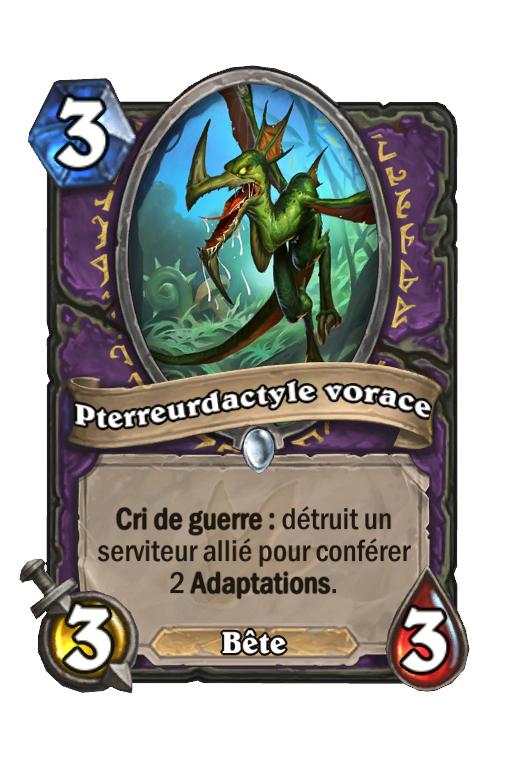
Adapt
Status: Wild
Presents three cards out of ten possible Adaptations (stat bonuses, Taunt, Divine Shield, Lifesteal, +3 Health, etc.). You choose one to apply immediately to the minion. Introduced with Journey to Un'Goro. Some cards like Volcanosaur perform three Adaptations, potentially stacking all the evergreen keywords.
Invoke
Status: Wild
Keyword from Dragonflight: playing two Invoke cards upgrades your Galakrond card (Rogue, Shaman, Warrior, Hunter, Priest, Warlock). Each pair also triggers an immediate effect (summon, damage). Ancestor of the current Titan system, Galakrond went through three upgrade levels until becoming an overpowered hero.
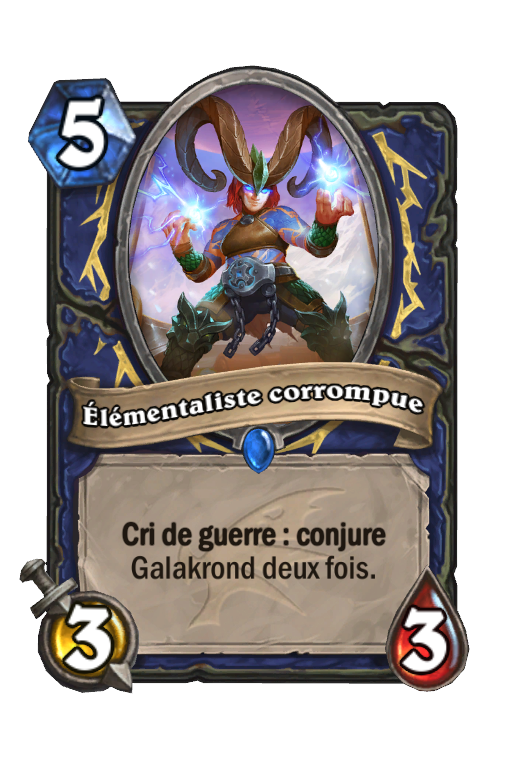
Corrupt
Status: Wild
The card is upgraded in your hand if you play a more expensive card after drawing it. The Corrupted version has superior stats and effects. Introduced with Madness at the Darkmoon Faire, this keyword rewards building ascending mana curves and holding onto cards in hand for longer.
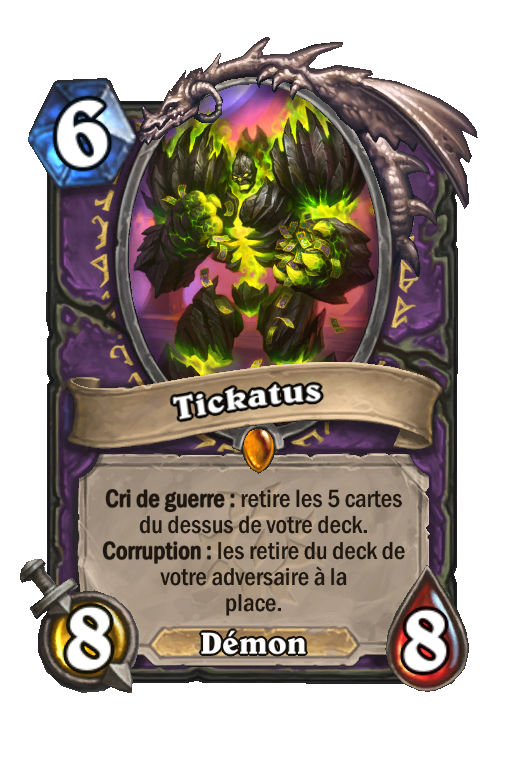
Quest
Status: Standard
Legendary 1-mana spell placed face up at the start of the game (in the starting hand). Once its specific condition is fulfilled, it grants a powerful reward (hero, minion, spell). Introduced with Journey to Un'Goro, the Quest keyword returns in 2025 with the revival of Un'Goro's Lost City.
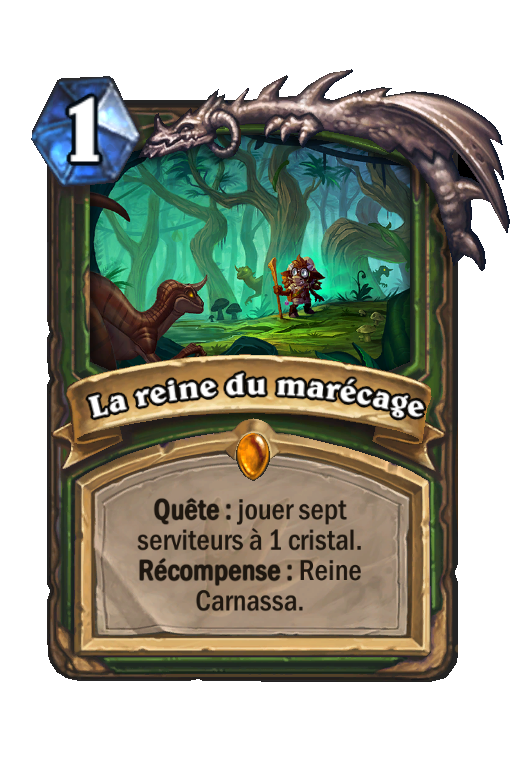
Sidequest
Status: Wild
A more modest version of the Quest: a 1-mana spell with a short-term objective and a minor reward. It does not replace the usual Legendary Quest and can be played from hand at any time. Introduced with United in Stormwind, they offer smooth tempo for mid-range archetypes.
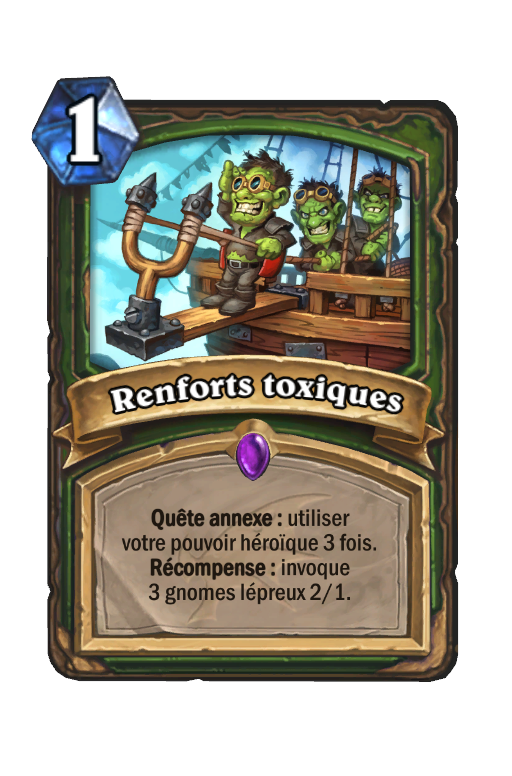
Questline
Status: Wild
A Legendary quest structured in three successive stages, each with its own reward. The final stage usually unlocks a hero or a game-changing legendary card. Introduced with Wailing Caverns, Quest Lines redefined the combo archetype for many classes before their successive nerfs.
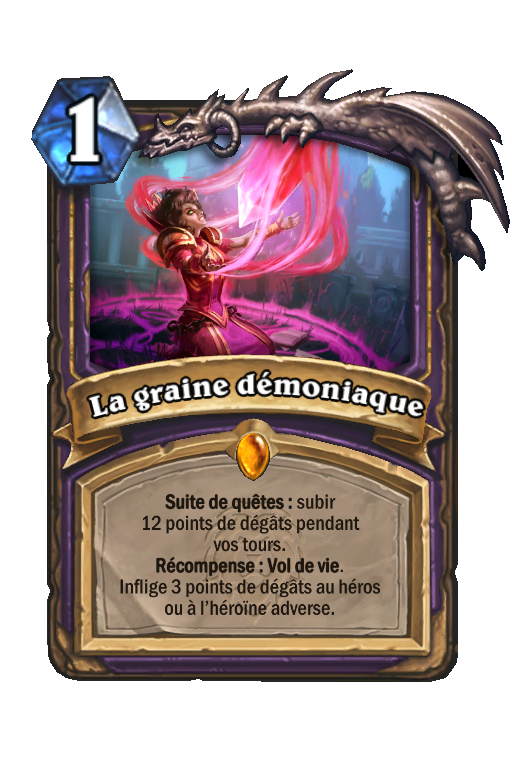
Frenzy
Status: Standard
A one-time effect triggered the first time the minion takes damage without dying. The minion can therefore block, trade, then buff or draw. Introduced with Wailing Caverns as a multi-class keyword, it partly replaces the old Overkill on minions that would rather survive than kill.
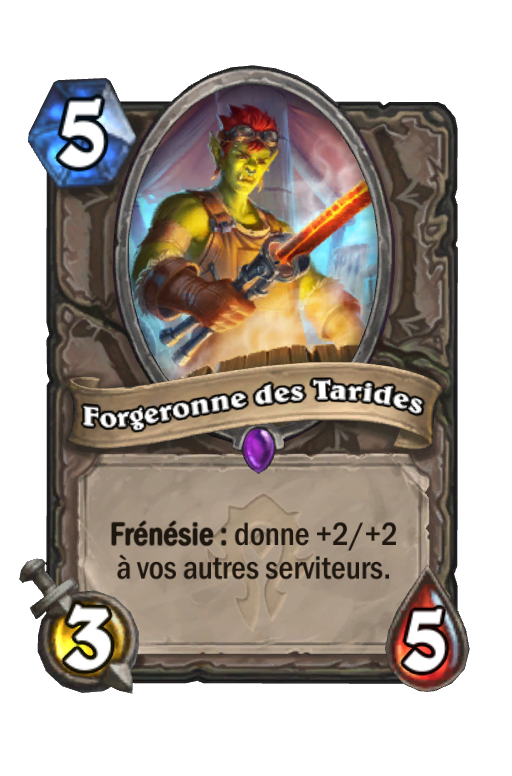
Colossal +X
Status: Standard
The minion enters play with X limbs (separate minion tokens) representing its appendages, placed on either side of it. Each limb has its own stats and effects. Introduced with The Great Dark Beyond, this keyword gives the impression of summoning a raid boss. Destroying a limb does not destroy the main body.
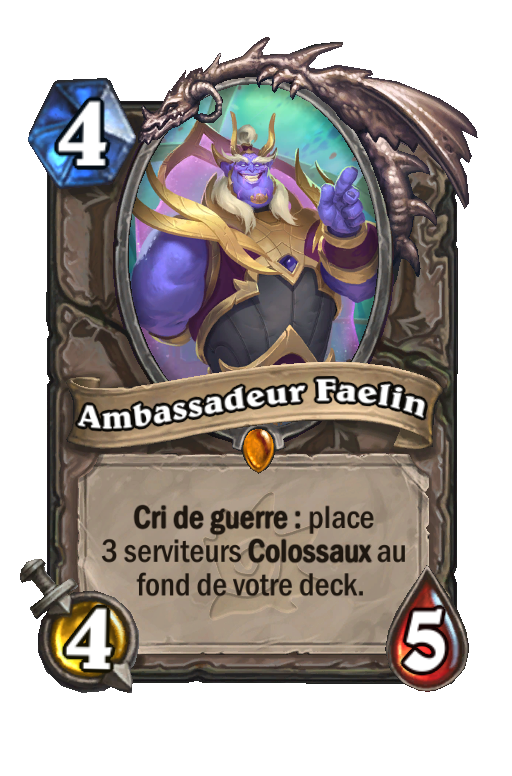
Dredge
Status: Standard
Look at the bottom three cards of your deck and put one on top. Introduced with The Great Dark Beyond, Dredge manipulates your draws to set up combos or avoid an unlucky topdeck. It combines well with heavy card draw to orchestrate the following turn.
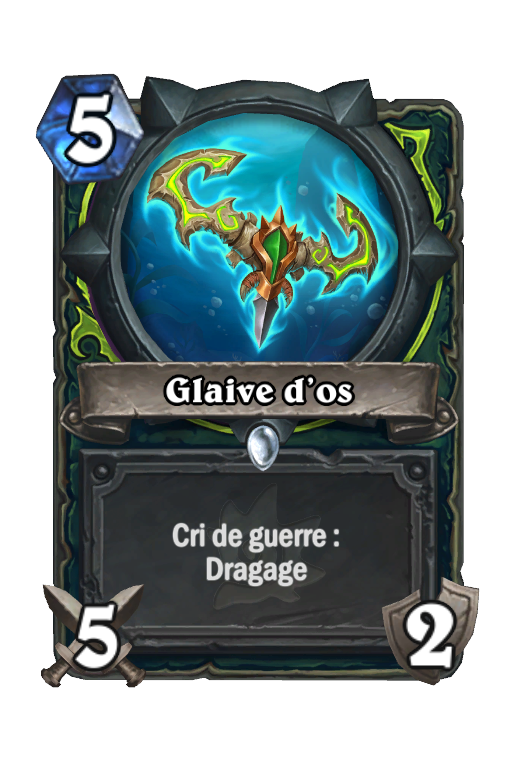
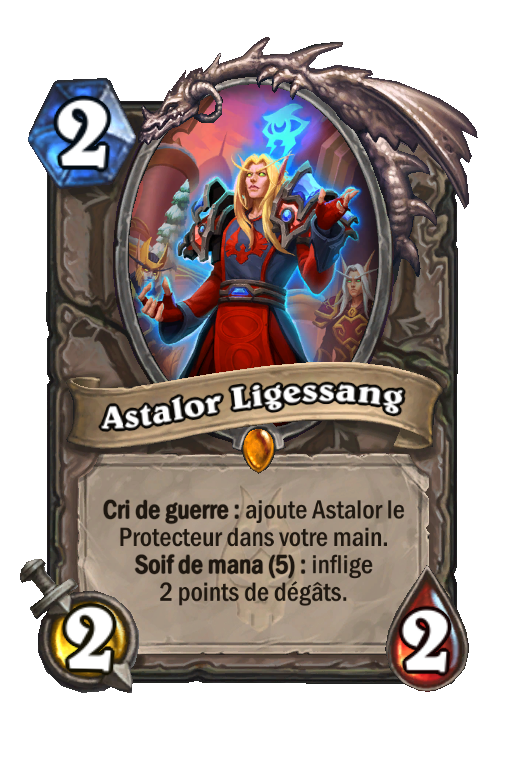
Manathirst (X)
Status: Standard
The card gains an additional effect if you have at least X mana crystals available when you play it. Introduced with The Great Dark Beyond, this keyword rewards high-mana turns and is central to control curves. Check the X value before deciding when to play the card.
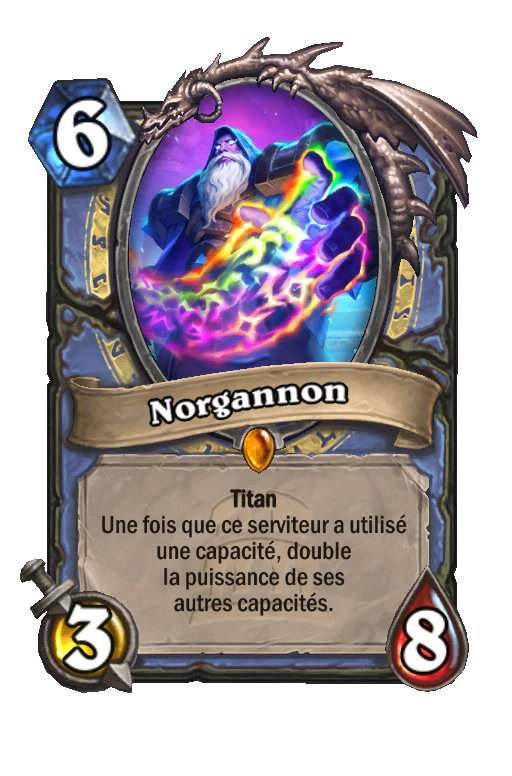
Titan
Status: Standard
The Titan enters play and, instead of attacking, activates one of its three abilities once each on its first three turns. After using all three of its powers, it becomes a regular minion and can finally attack. Introduced with March of the Lich King... wait, with Titans, this keyword offers versatile, scripted units.
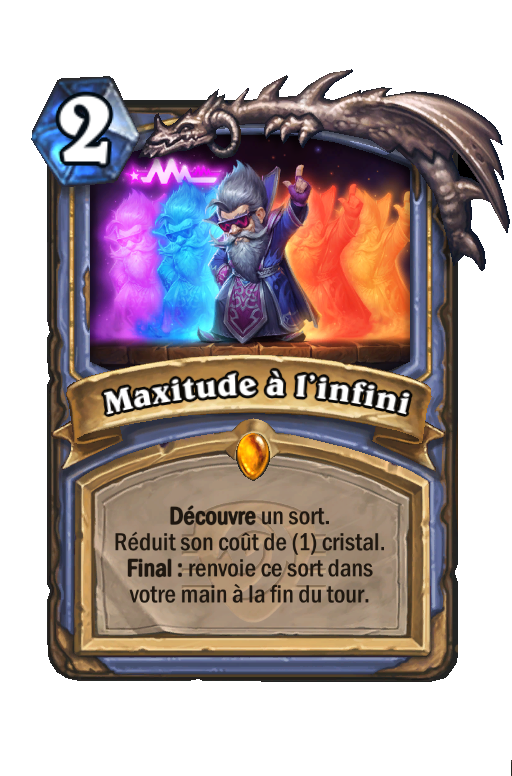
Finale
Status: Standard
The card gains a bonus if it is played by spending all of your available mana crystals. Introduced with Titans, Finale rewards turns where you have exactly one card perfectly matched to your curve. Careful: reducing a card's cost can prevent you from hitting exactly zero mana remaining.
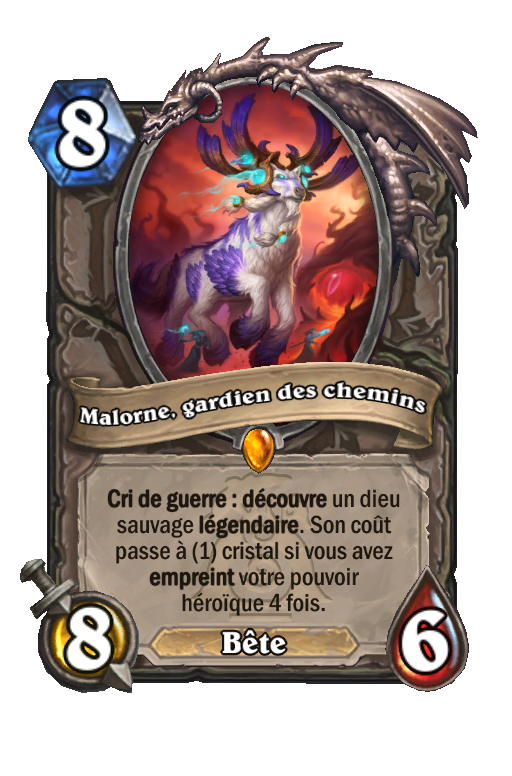
Imbue
Status: Standard
Keyword from Whizbang's Workshop... wait, from Emerald Dream (2025), reserved for six classes (Paladin, Mage, Shaman, Hunter, Priest, Druid). Each activation Imbues your hero power, which gains an additional charge and power. The more Imbue cards you play, the more devastating your hero power becomes, turning Fatigue decks into war machines.
Excavate
Status: Standard
Adds a random treasure to your hand. Each successive activation in the game increases the rarity of the treasure (Common, Rare, Epic, Legendary). Introduced with Whizbang's Workshop, Excavate rewards decks that stack Minor cards and can potentially unlock devastating Legendary treasures on the 4th Excavation.
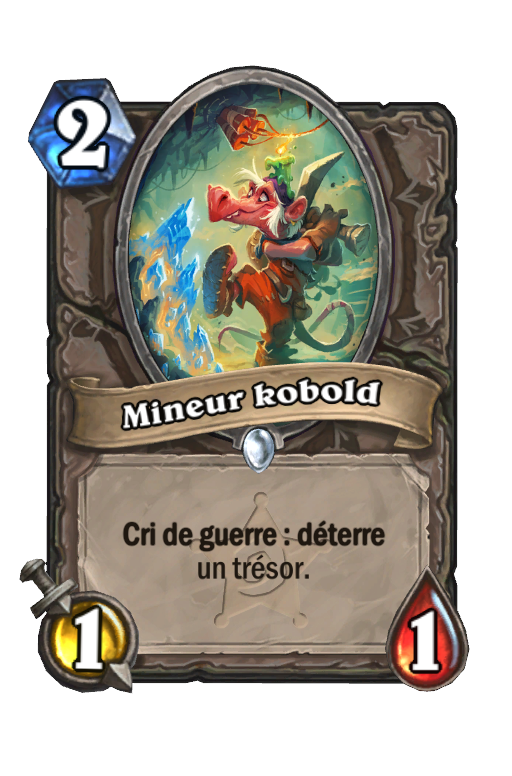
Forge
Status: Standard
Spend 2 mana to upgrade the card in your hand (Forge). The forged version has superior stats and effects. Introduced with Whizbang's Workshop. A companion to Excavate, Forge lets you turn mediocre early-turn cards into late-game threats in exchange for a tempo investment.
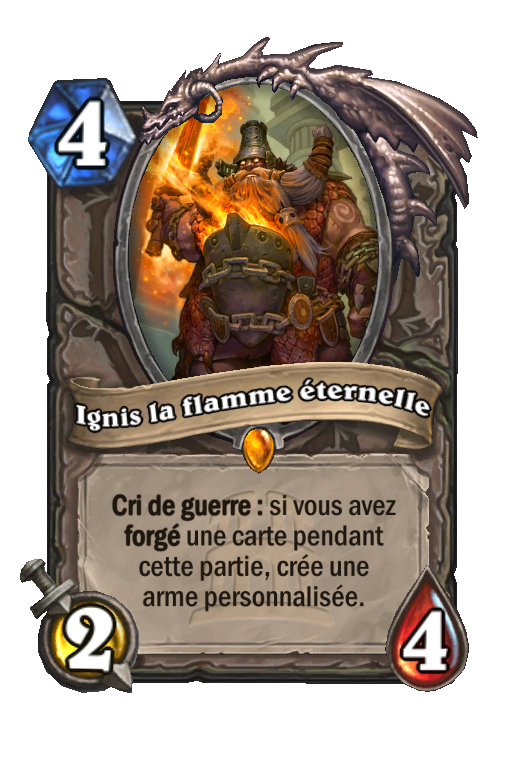
Miniaturize
Status: Standard
When the card is played, a miniature Figurine (a 1/1 with similar effects) is added to your hand. Introduced with Whizbang's Workshop. A charming concept: the big minion leaves behind a miniature shadow. Figurines usually cost 1 mana and let you duplicate the original minion's tempo.
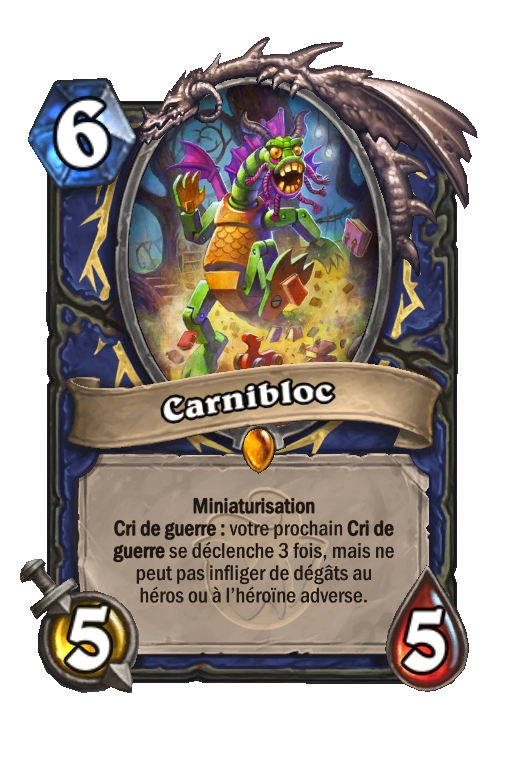
Figurine
Status: Standard
A miniature (1/1) version of a minion, generated by the Miniaturize keyword. Figurines often retain some of the original minion's effects or traits (Deathrattle, Battlecry). They're excellent for filling the board early in the game. They also exist as standalone cards in certain mini-sets.
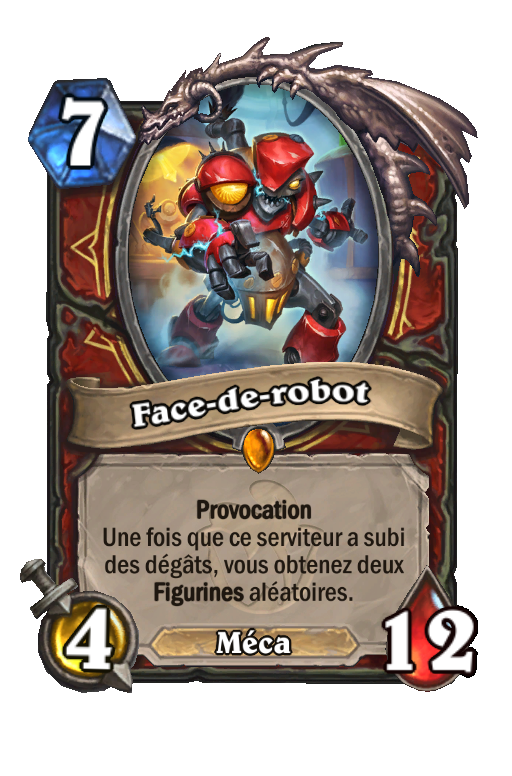
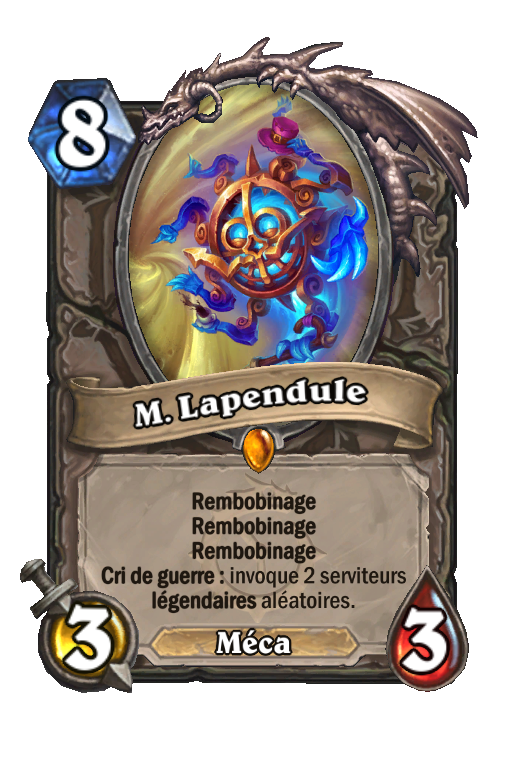
Rewind
Status: Standard
Introduced with Perils in Paradise (2024), Rewind lets you replay an effect of the card. Typically, a minion is returned to hand at the end of the turn to be played again. Some Location cards use Rewind to reactivate their bonuses.
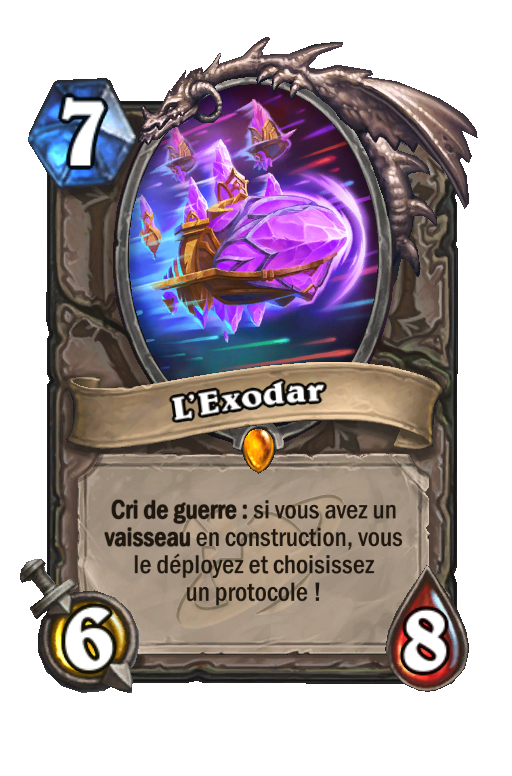
Starship
Status: Standard
Introduced with Whizbang's Workshop (2024), the Vessel is built up progressively: play Vessel Piece cards which, upon dying, add their stats and effects to your Vessel under construction. Once ready, cast it for 5 mana; it becomes a minion with the sum of the Pieces. One of the most original mechanics in the game.
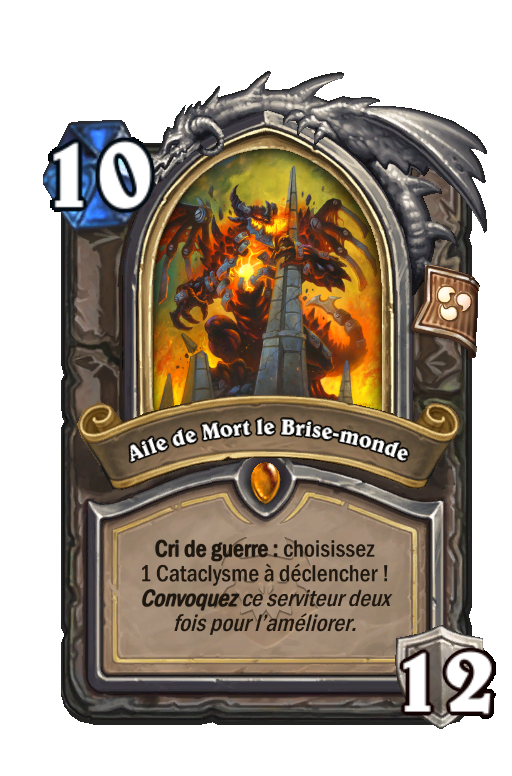
Herald
Status: Recent 2026
Emblematic keyword of CATACLYSM (March 2026): summons an appendage of the class Colossal (typically a variant of Deathwing) and enriches its stats and effects with each use. Six classes allied to Deathwing have Herald. It is the spiritual successor to Conjure, orchestrating the gradual buildup of a colossal threat.
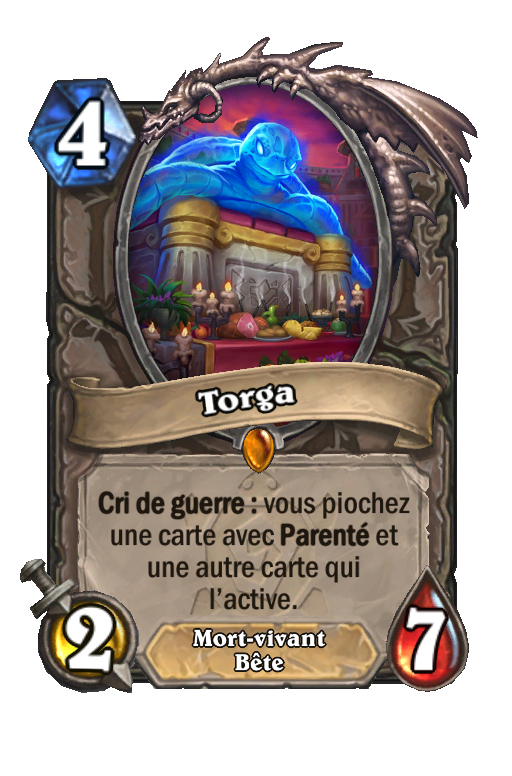
Kindred
Status: Recent 2026
Introduced with the 2025 reprise of The Lost City of Un'Goro: the card gains an additional effect if you played a card of the same type (minion or spell) or the same spell school during the previous turn. Rewards strict sequencing of consecutive turns. Central to mono-tribe and mono-school archetypes.
State effects and utility keywords
Finally, the keywords that modify the state of cards or add a layer of utility: duplication, delay, direct summoning.
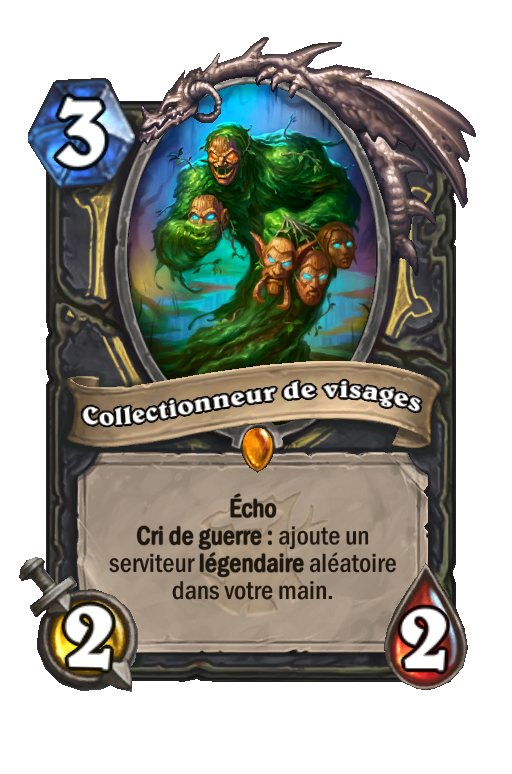
Echo
Status: Wild
The card, once played, is immediately copied into your hand as a temporary copy (which disappears at the end of the turn). You can therefore replay it several times as long as you have the mana. Introduced with The Witchwood, Echo is perfect for multi-card burst turns.
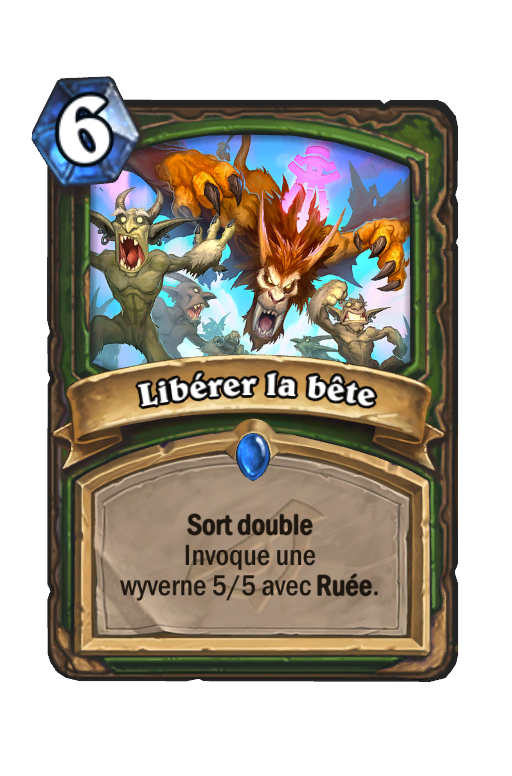
Twinspell
Status: Wild
When you cast this spell, a copy without the Twinspell keyword is added to your hand. You therefore virtually double the card, with the constraint of paying its cost twice. Introduced with Rise of Shadows, this keyword redefined the Totem Shaman and Tempo Druid archetypes thanks to generous redundancy.
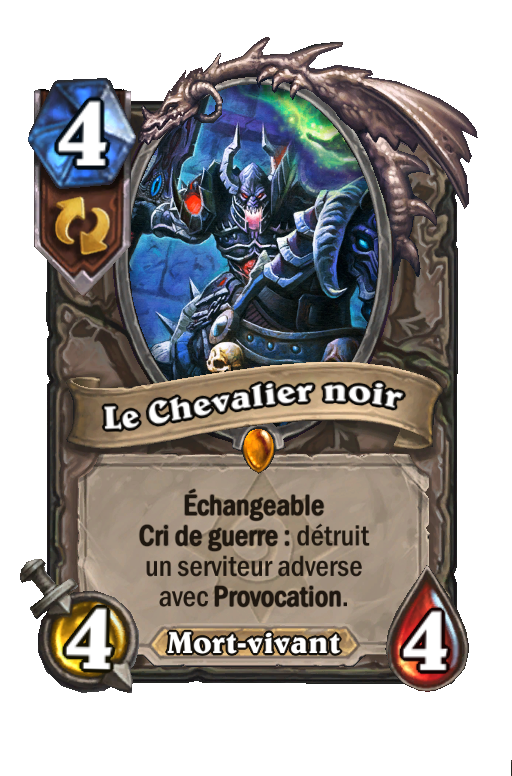
Tradeable
Status: Standard
Instead of playing the card, you can slide it into your deck for 1 mana and draw a new card. Introduced with Fractured in Alterac Valley, Tradeable raises the average quality of hands by allowing situational cards to be recycled for minimal tempo cost.
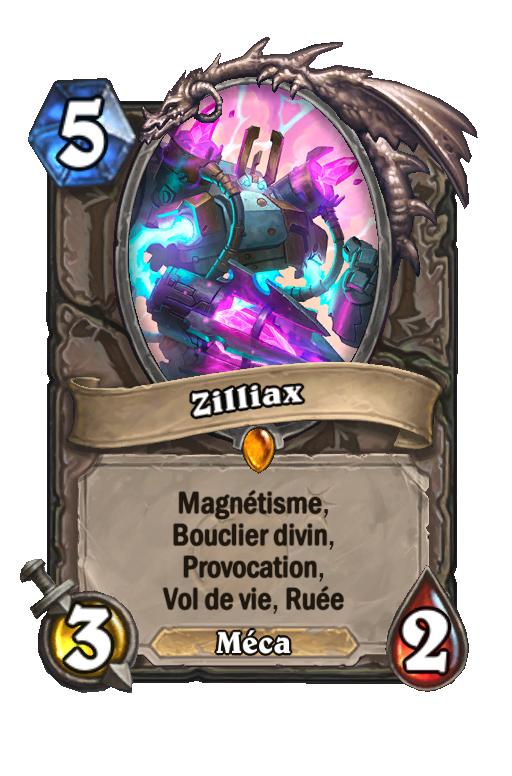
Magnetic
Status: Wild
Mech Minion played to the left of another friendly Mech: the two merge into a single minion whose stats and effects combine. Played any other way, it appears as a normal minion. Introduced with The Barrens Project (correction: introduced with Fractured in Alterac Valley... actually Zilliax comes from Boomsday Project), this keyword has made Zilliax one of the most iconic and played cards of all time.
Reborn
Status: Standard
The first time the minion dies, it comes back into play with 1 Health and without the Reborn keyword. Does not stack, but can be reapplied via specific effects (Amara, Warden of Hope; Aggronde... rather Uther of the Ebon Blade). Introduced with Rastakhan's Rumble (correction: introduced with Rise of Shadows... actually Reborn debuted with Rastakhan's Rumble), this keyword turns a minion into a double threat, particularly powerful with Taunt or Poisonous.
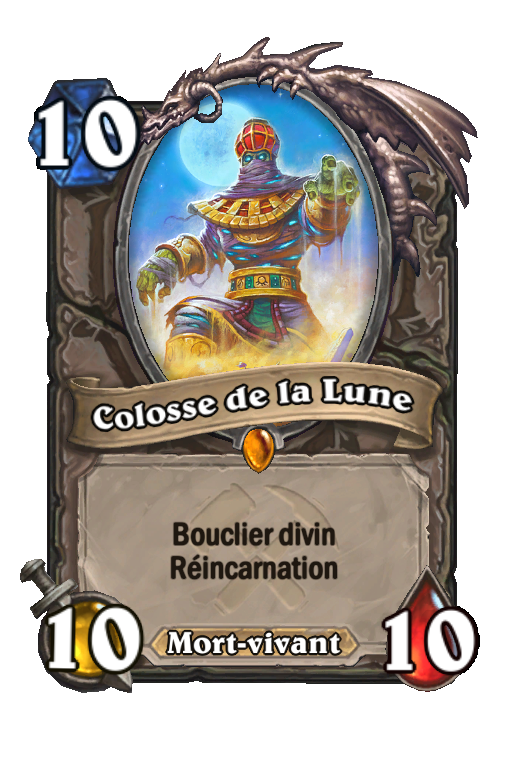
Start of Game
Status: Standard
Effect automatically triggered at the very start of the first hand. The card must be in your deck (not necessarily in your opening hand). Used for Renathal (+10 Health), Prince Renathal, Reno, or more recently E.T.C. who builds a side-deck of 3 cards beforehand.
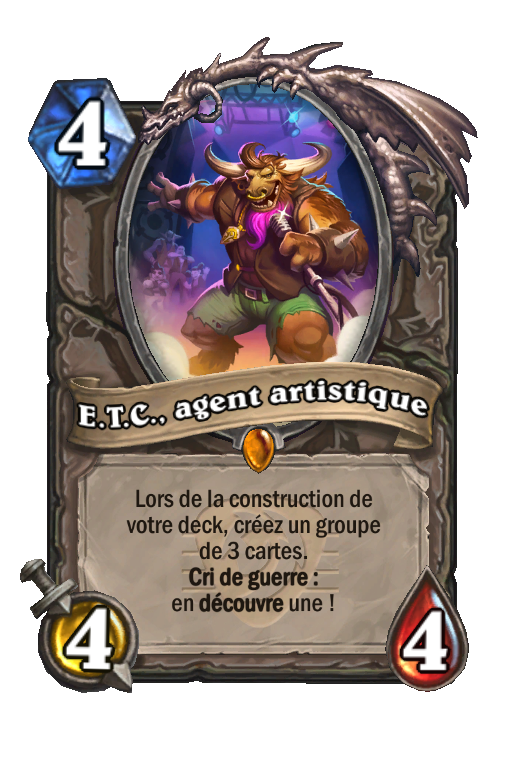
Overkill
Status: Wild
Effect triggered if you deal more damage than necessary to kill a target. The excess is not wasted: it activates a bonus (summon, draw, buff). Introduced with Rastakhan's Rumble, Overkill inspired an entire season of aggressive Hunter and Warrior decks. It remains rare in modern expansions.
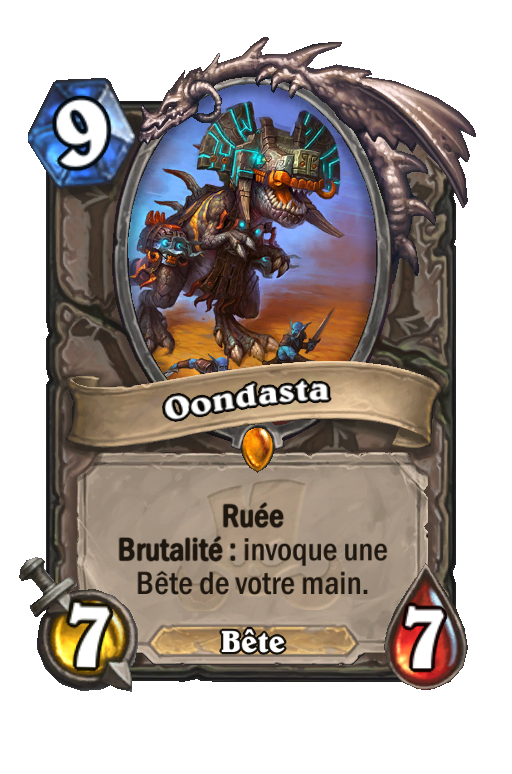
Honorable Kill
Status: Wild
Effect triggered if you kill a target by dealing exactly the amount of damage equal to its remaining Health. Introduced with Fractured in Alterac Valley, this keyword has a subtle tactical requirement that rewards precision: neither overkilling nor underkilling.
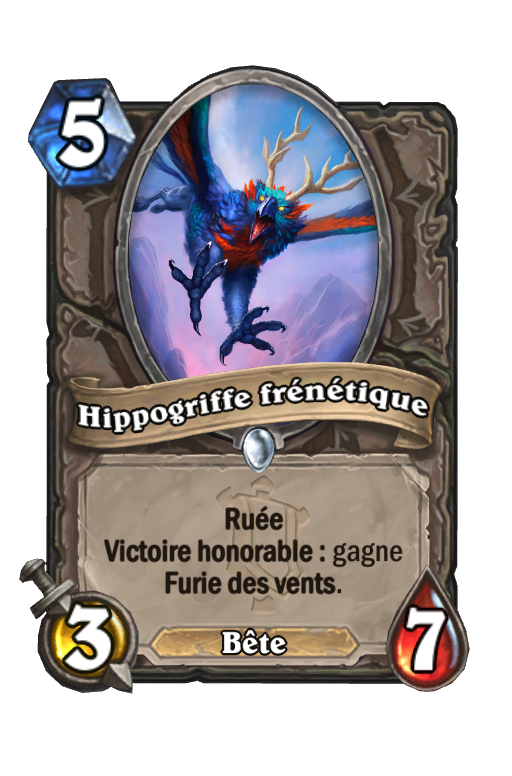
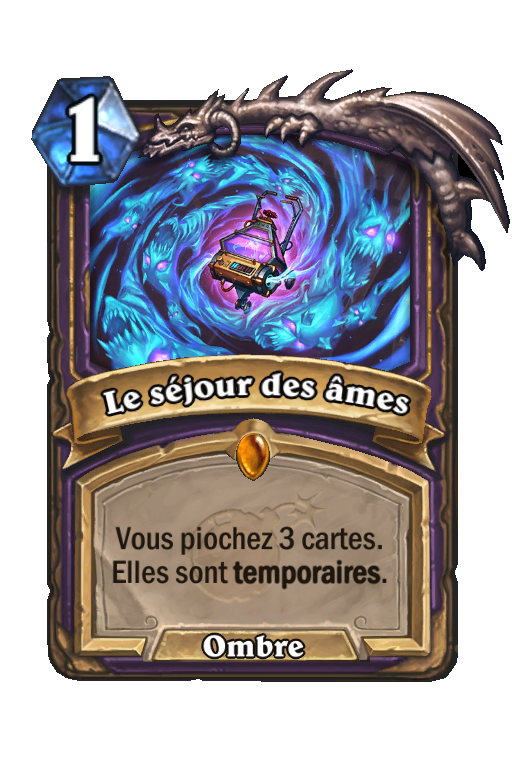
Temporary
Status: Standard
The card is discarded from your hand at the end of your turn if it hasn't been played. A concept found on tokens generated by Discover or by certain effects. Introduced implicitly, formalized with modern expansions. It imposes immediate decision pressure: play it now or lose the opportunity.
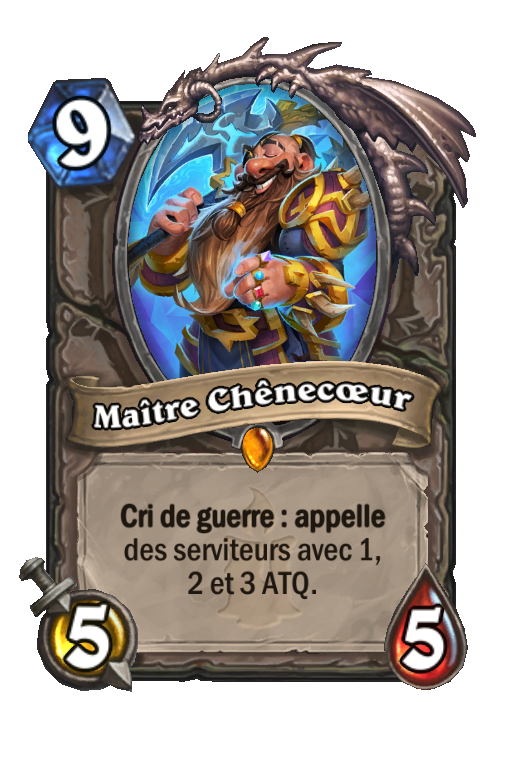
Muster / Recruit
Status: Wild
Historic Recruit keyword introduced with Kobolds and Catacombs: instead of drawing, it summons a specific minion from your deck. The term Recruit became widespread for these direct summon-from-deck effects, notably on cards like Kurtrus Ashfallen or in certain Hero Powers.
Recap table: all 66 keywords at a glance
Bookmark this table: it's the quick reference to check whether a keyword still exists in Standard or has moved to Wild.
| French Name | English Name | Status |
|---|---|---|
| Cri de guerre | Battlecry | Standard |
| Râle d'agonie | Deathrattle | Standard |
| Charge | Charge | Wild |
| Ruée | Rush | Standard |
| Provocation | Taunt | Standard |
| Bouclier divin | Divine Shield | Standard |
| Toxicité | Poisonous | Standard |
| Vol de vie | Lifesteal | Standard |
| Furie des vents | Windfury | Standard |
| Méga Furie des vents | Mega-Windfury | Wild |
| Camouflage | Stealth | Standard |
| Insaisissable | Elusive | Standard |
| Insensible | Immune | Standard |
| Silence | Silence | Standard |
| Découverte | Discover | Standard |
| Sombre don | Dark Gift | Standard |
| Laquais | Lackey | Wild |
| Pièces détachées | Spare Parts | Wild |
| Dégâts des sorts | Spell Damage | Standard |
| Dégâts des sorts de nature | Nature Spell Damage | Standard |
| Gel | Freeze | Standard |
| Contre | Counter | Standard |
| Secret | Secret | Standard |
| Bonne pioche | Casts When Drawn | Standard |
| Combo | Combo | Standard |
| Préparation | Preparation | Wild |
| Marginal | Outcast | Standard |
| Icône | Sigil | Standard |
| Icône+ | Sigil (Overloaded) | Standard |
| Surcharge : X | Overload: X | Standard |
| Cadavre | Corpse | Standard |
| Imprégnation | Infuse | Standard |
| Surplus de soins | Overheal | Standard |
| Exaltation | Inspire | Wild |
| Salve | Spellburst | Standard |
| Adaptation | Adapt | Wild |
| Conjurer | Invoke | Wild |
| Corruption | Corrupt | Wild |
| Quête | Quest | Standard |
| Quête annexe | Sidequest | Wild |
| Suite de quêtes | Questline | Wild |
| Frénésie | Frenzy | Standard |
| Colossal : +X | Colossal +X | Standard |
| Dragage | Dredge | Standard |
| Soif de mana (X) | Manathirst (X) | Standard |
| Titan | Titan | Standard |
| Final | Finale | Standard |
| Empreinte | Imbue | Standard |
| Déterrer | Excavate | Standard |
| Forge | Forge | Standard |
| Miniaturisation | Miniaturize | Standard |
| Figurine | Figurine | Standard |
| Rembobinage | Rewind | Standard |
| Vaisseau | Starship | Standard |
| Convocation | Herald | Upcoming 2026 |
| Parenté | Kindred | Upcoming 2026 |
| Écho | Echo | Wild |
| Sort double | Twinspell | Wild |
| Échangeable | Tradeable | Standard |
| Magnétisme | Magnetic | Wild |
| Réincarnation | Reborn | Standard |
| Début de partie | Start of Game | Standard |
| Brutalité | Overkill | Wild |
| Victoire honorable | Honorable Kill | Wild |
| Temporaire | Temporary | Standard |
| Appeler | Muster / Recruit | Wild |
FAQ: the most frequently asked questions
How many Hearthstone keywords are there in 2026?
The official client lists 66 distinct keywords, including two new additions from the Year of the Scarab (Summon, introduced with CATACLYSM in March 2026, and Kinship, reintroduced with the return of The Lost City of Un'Goro). Some are exclusive to a class (Corpse for Death Knight, Outcast for Demon Hunter), others are neutral (Battlecry, Divine Shield).
Does Silence remove a Deathrattle?
Yes. Silence removes all keywords and all effects from a minion, including Deathrattle, Taunt, Divine Shield, Windfury and Poisonous. Silence is the most comprehensive answer tool against enchanted minions or those with dangerous death effects. Note: Silence does not remove mana cost modifications and does not destroy the card, which remains on the board with its base stats.
Does Divine Shield protect against Poisonous?
Yes. Divine Shield absorbs the first source of damage. Since Poisonous only activates if the minion actually takes damage, a minion with Divine Shield that attacks a Poisonous source loses its shield but is not destroyed. However, the new Venomous keyword bypasses this protection: the affected minion is destroyed even if the damage is zero.
What is the difference between Charge and Rush?
Charge allows a minion to immediately attack minions or the opposing hero on the turn it is played. Rush only allows it to attack enemy minions. Rush was introduced to prevent one-shot burst combos on the hero. Most modern minions use Rush; Charge has been kept on historic cards like Leeroy Jenkins in Wild format.
Going further
- The best Standard decks of the Year of the Scarab: which classes dominate CATACLYSM?
- How to build a deck around the Vessel and Summon mechanics?
- A retrospective of removed keywords: from Joust to Overkill, Hearthstone's forgotten mechanics.
Share this article
Which keyword changes your view of a match the most?
Frequently asked questions
Why was Charge moved to Wild while Rush stays in Standard?
Charge allowed direct one-shots to the face, too dangerous for meta balance. Rush, introduced in 2018, offers the same offensive tempo but only against enemy minions, protecting the hero without breaking defense.
How does the interaction between Divine Shield and Poisonous work?
Divine Shield absorbs the first instance of damage, even if it's just one point. Since the minion takes no actual damage, the "destroyed by Poisonous" condition never triggers. The Shield acts as a complete counter.
Does Discover work differently depending on the class?
Yes. Class Discover cards only come from your active class. Neutral Discovers pull from any class based on the specified theme (cost, type, etc.). This creates very different economies between Shamans and Priests.
What is Dark Gift and who is it relevant for?
Introduced in 2025, Dark Gift strengthens Discovered minions for the sanctum classes (Death Knight, Demon Hunter, Rogue, Warlock, Warrior). Ten variants grant buffs, Deathrattle or Lifesteal: every Discover becomes a risky but juicy gamble.
Does Stealth really disappear as soon as you attack?
Yes, attacking immediately removes Stealth. Before that, the minion remains invisible to attacks and targeted spells, but stays vulnerable to area damage and non-targeted effects. That's what sets it apart from Elusive.
Key takeaways
- The 66 keywords cover every format: Standard, Wild and the 2026 newcomers (Summon, Kinship reintroduced).
- Mastering the glossary means reading the board faster and instantly assessing the value of a Discovered card.
- Each keyword has key interactions: Silence against Taunt, Divine Shield against Poisonous, stacking Spell Damage.
- The evergreen mechanics (Battlecry, Deathrattle, Taunt) underpin the game's defense and value economy.
- Understanding the nuances between Charge and Rush, or between Stealth and Elusive, changes your grasp of tempo.
Comments
No comments yet. Be the first to react!
Leave a comment
Similar guides

Latest articles






Your opinion counts
Rate Hearthstone
Click a star to rate