


 Fabian Lainé
Full Guide
Subnautica 2: Creature Bestiary of the Early Biomes (2026)
In brief
Subnautica 2 features an entirely new bestiary: zero creatures from the first game, an ecosystem designed from scratch with the new creature invulnerability mechanic. This guide breaks down the peaceful fish, aggressive predators, and the three leviathans of the early biomes, from the simple Halfmoon to the terror that is the Collector Leviathan — along with the survival tactics that go with them.
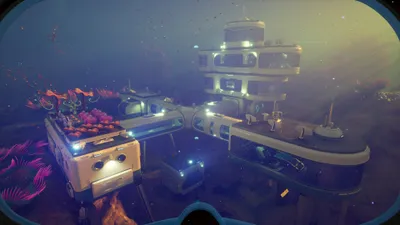
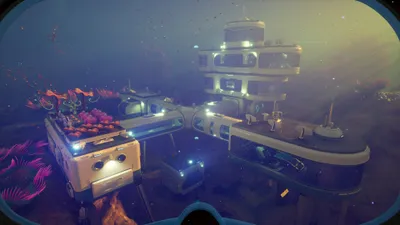
Released in early access on May 14, 2026 on Steam, Subnautica 2 (Unknown Worlds, published by Krafton) replays its predecessor's tune in a brand new system: Ariadne's arm, an ocean planet with entirely new biomes. A small clarification upfront that will relieve veterans and surprise everyone else: no creature from Subnautica 1 or Below Zero is making a comeback. Forget Peepers, Bladderfish, Reginald, Stalkers, Sandsharks, Bonesharks, Reaper Leviathans, Ghost Leviathans, or Sea Dragons: Unknown Worlds has built a 100% new ecosystem, with its own fish to cook, pack predators, and leviathans. This guide reviews the creatures you'll encounter right from the moment you leave the survival pod, biome by biome, along with their danger level, the right way to deal with them, and their practical usefulness.
Credit: Unknown Worlds / Krafton
An entirely new bestiary to master
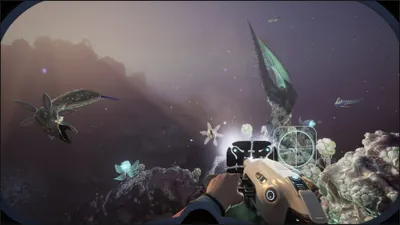
Unknown Worlds made it very clear from the announcement: Subnautica 2's wildlife has been rebuilt from scratch. The studio has also removed the direct combat mechanic — creatures are invulnerable. You won't be killing anything with a knife or a cannon. Instead, the game asks you to read behaviors, dodge, hide, and scan. Every complete scan fills up the database but also unlocks Biomods, the equivalent of passive and active skills in Subnautica 2. In other words: identifying wildlife is no longer just a completionist's hobby, it's strategic progression.
Another point to keep in mind before digging into the buffet: the local biochemistry is not compatible with your body. Without having cured Digestive Incompatibility (a scripted early-game step), eating fish will drain your health instead of restoring it. Scan, cook, but only eat once that step is completed.
The starting biomes to know
Your lifepod comes down straddling several shallow biomes. Here are the ones you'll spend the most time in during the first 5 to 10 hours:
- Coral Gardens — a warm, colorful, densely populated reef. An ideal starting area, but patrolled by several predators.
- Kelp Shallows — forests of giant kelp, herbivores, and peaceful fish.
- Sparse Plains — large, low-density sandy expanses, territory of the fearsome Collector.
- Root Canyon — a mid-depth canyon rich in fish shoals.
- Overgrown Ruins — alien ruins colonized by wildlife, a transition biome toward the depths.
- Graveyard — a field of bones and dead coral, a hiding spot for many species.
- Dolerite Spires — deep rocky columns, caution advised.
Passive creatures: pantry and utility species
Here are the harmless species, your first line of resources once digestive incompatibility has been cured. This includes both fish to cook and a few valuable utility creatures.
- Bluemoon — Small bioluminescent crescent-shaped fish. Biome: Shallows, Root Canyon, Graveyard caves. Danger: none. Usefulness: +10 food, +5 water. Combines with Halfmoon and Harvestmoon in the Threemoon Temaki recipe.
- Halfmoon — Herbivorous half-moon fish, very common in the Coral Gardens. Danger: none. Usefulness: first reliable food source after landing.
- Harvestmoon — Cousin of the Halfmoon with better nutritional value. Usefulness: the fish to prioritize to sustain yourself over the long haul.
- Waxmoon — Disc-shaped fish covered in a protective wax. Danger: none. Usefulness: it's also the main prey of reef predators, so their presence gives away that of hunters.
- Pneuma — Fish with broad floating fins, entirely peaceful. Usefulness: can be cooked, very common in the Overgrown Ruins.
- Twin Sitaray — Small ray that stays motionless for long stretches. A perfect target to get familiar with the scanner.
- Water Slug — Small transparent gastropod with a purple body, motionless on the ground. Danger: none, flees when approached. Major usefulness: can be picked up and used to produce drinking water (+15 water, -5 food). It's your hydration solution early in the game.
- Hoverthorn — Fish from the Karakorum region, finless, propelled by a magnetohydrodynamic thruster and a charge crystal. Danger: none. Usefulness: can be cooked, but above all a very rewarding scan for Biomods. A Black Hoverthorn variant exists in deeper areas.
- Hammerhead — Massive herbivore covered in radiating spines. Danger: nearly none, doesn't engage in combat but may be brushed against unintentionally. It's possible to lose it by sprint-swimming if it follows you too closely.
- Cerathecan and Sandspear — Small bottom-dwelling crustaceans, easy scan targets and often entry points for crafting recipes.
The predators of the early biomes
Here are the species that will force you to rethink your routes. Reminder: they cannot be killed, the goal is to avoid or distract them.
- Nibbler Mango — Pack predator from the Coral Gardens, the enemy that traps new players. Danger: high in groups. Defense: throw a flare before they surround you, never after. The distraction scatters the pack for a few seconds, enough to make your escape.
- Marrowbreach — Large solitary reef predator, lives in symbiosis with small carnivorous Hound Gars that help it flush out prey. Danger: very high. Defense: its eyes are hypersensitive to bright light; shining a powerful flashlight generally makes it break off its attack. Otherwise, immediate vertical flight.
- Anemone Crab — Crustacean carrying symbiotic anemones on its shell. Danger: moderate, not aggressive by default, but contact triggers the release of a mild neurotoxin that disorients for a few seconds — a disaster near an actual predator. Defense: give it a wide berth.
- Coral Crab — Bottom-dwelling creature that camouflages itself inside a coral dome. Danger: high (leviathan-level hull damage), main habitat at the Dolerite Spires. Defense: identify suspicious domes and keep your distance. Many can be found dead in the Graveyard — easy resources with no combat.
- Hound Gars — Small pack carnivores, associated with the Marrowbreach. Little damage individually but their presence always signals their giant symbiote nearby.
The leviathans you should absolutely not provoke
Three leviathans are active in early access. You're not meant to fight them — you're meant to survive them.
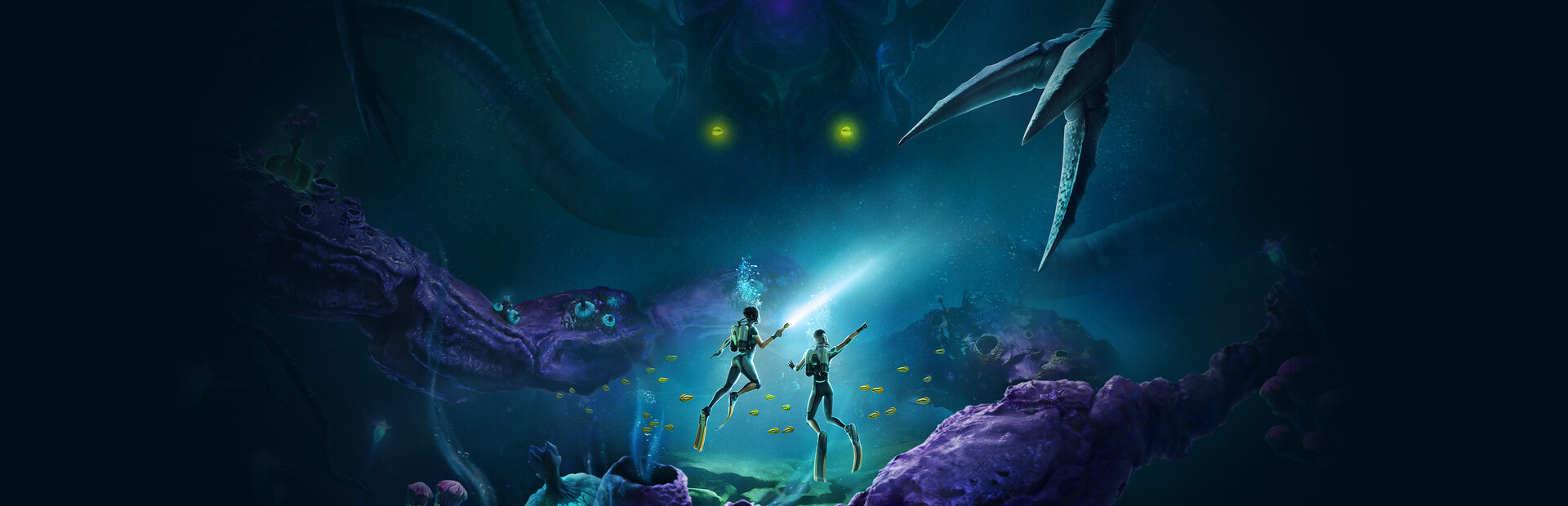
- Collector Leviathan — Enormous cephalopod predator with four bioglass-armed tentacles and an armored beak, specialized in hard-shelled prey. Biome: Scattered Plains, Karakorum metal farms, northern edge of the Observatory. Danger: maximum — it's the only one that pursues across biome boundaries and never gives up the chase. Defense: memorize its patrol routes and avoid entering its detection cone. No frontal escape works.
- Shiver Leviathan — Pack hunter (a "shiver" refers to a group of sharks). A dominant female coordinates smaller, faster males from a distance. Biome: the Void, beyond the starting map. Danger: lethal, capable of tearing apart the Tadpole submarine in a few passes. Defense: immediately abandon the vehicle and sprint-swim toward the biome boundary; they do not cross the border.
- Great Jaw Leviathan — Stationary shell trap with venomous tendrils, hidden in the Cicada wreck and the Dolerite Spires. Danger: very high on contact. Defense: scan the outside of the shell only, never enter. It doesn't chase — you're the one throwing yourself into its jaws.
A fourth name is circulating in the game's data, the World Tree, a titan leviathan currently dormant above the surface. It is not active in early access and should be unlocked in a future content update.
How to defend yourself without a lethal weapon
Since direct combat has been removed, the diver's toolkit relies on distraction, flight, and preparation.
- Flares — Distract packs (Nibbler Mango in particular). Throw them before engagement.
- Sonic Resonator — Emits a pulse that temporarily repels several predators. Craftable from mid-game onward.
- Flashlight — Effective against the Marrowbreach, whose eyes are hypersensitive.
- Systematic scanning — Every scanned species = unlocked Biomods (faster swimming, extended detection, etc.). It's the best return on investment in the game.
- Knowing biome boundaries — Most predators, except the Collector, stop at the borders. Spotting visual transitions (water color, plant density) can save your life.
Practical use: cooking, eggs and resources
Unlike the original Subnautica, egg gathering isn't at the heart of Subnautica 2's gameplay in early access — no alien pools for raising cocoons for now. On the other hand, the food chain is central:
- The moons (Bluemoon, Halfmoon, Harvestmoon, Waxmoon) form the nutritional base, cookable at the Fabricator.
- The Water Slug solves the freshwater problem while waiting for recycling stations.
- Dead Coral Crab from the Graveyard offer chitinous resources with no risk.
- Recipes like Threemoon Temaki require combining several species with fibrous pulp — rewarding varied exploration.
Going further
Subnautica 2 is in early access until early 2027, and Unknown Worlds has promised new biomes and new creatures with every major content update. The studio has also confirmed that the final version will feature more leviathans — likely the World Tree topping the bill — as well as a revamp of the French localization, which is still partial for some species names.
- Official Steam page: store.steampowered.com/app/1962700
- Unknown Worlds publisher site: subnautica.unknownworlds.com
- Subnautica 2 community wiki: wiki.subnautica.com/sn2
- French-speaking Fandom (Subnautica series): subnautica.fandom.com/fr
In the meantime, the best strategy remains the simplest one: scan everything that moves, note the biomes, respect the boundaries, and never try to arm-wrestle a Collector. Happy diving.
Share this article
Which type of creature scares you the most in early access?
Frequently asked questions
Why can't I kill creatures in Subnautica 2?
Unknown Worlds removed direct combat — all creatures are invulnerable. The game wants you to read behaviors, dodge, and hide. This is radically different from the first game and forces much better knowledge of the wildlife.
Is scanning creatures mandatory or just for completionists?
Strategically mandatory. Every full scan unlocks Biomods — your passive and active skills. Ignoring the wildlife means losing out on pure progression, not just missing an achievement.
Can I eat any fish after landing?
No. You must first complete the scripted Digestive Incompatibility step, otherwise fish will cost you health. Scan, cook, sure, but wait before eating.
How do I sense dangerous predators like the Marrowbreach coming?
The Marrowbreach hunts with its Hound Gar symbiotes. If you come across small carnivores in a pack, it means something much bigger is nearby. A motionless Water Slug also often signals a threat — predators love the areas where it clusters.
Are there really three leviathans right from early access, or is it a trap to get eaten?
There are three, but you're not meant to fight them — you're meant to survive them. The Collector Leviathan in particular refuses to give up and crosses biome borders. Learning its patrol routes is about learning to live, not to fight.
Key takeaways
- Creatures are invulnerable: fight by learning to read their behaviors, hide, and scan rather than pulling out your knife.
- Scan everything before cooking: every full scan unlocks Biomods, your passive and active skills — this is strategic progression, not a hobby.
- Clear the Digestive Incompatibility quest before eating: swallowing fish without this quest completed costs you health instead of restoring it.
- Nibbler Mangos in packs trap newcomers: launch a flare before they surround you, not after — you only have a few seconds to escape.
- The Collector Leviathan never gives up and crosses biome borders: memorizing its patrol routes and staying outside its detection cone isn't just advice, it's a requirement.
Comments
No comments yet. Be the first to react!
Leave a comment
Similar guides
Latest articles







Your opinion counts
Rate Subnautica 2
Click a star to rate