
 Fabian Lainé
Full Guide
Tomodachi Life: Dream Island Adventure: 2026 Starter Guide
In brief
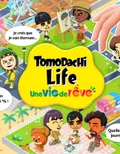
Tomodachi Life: Une vie de rêve, released in April 2026 after twelve years of waiting, revives the addictive Mii-populated island management formula by propelling it into the 21st century. This guide teaches you how to create your avatar, import your loved ones, manage their needs, orchestrate surreal love stories, and unlock the full arsenal of shops and mini-games to turn your island into a delightfully wacky paradise.
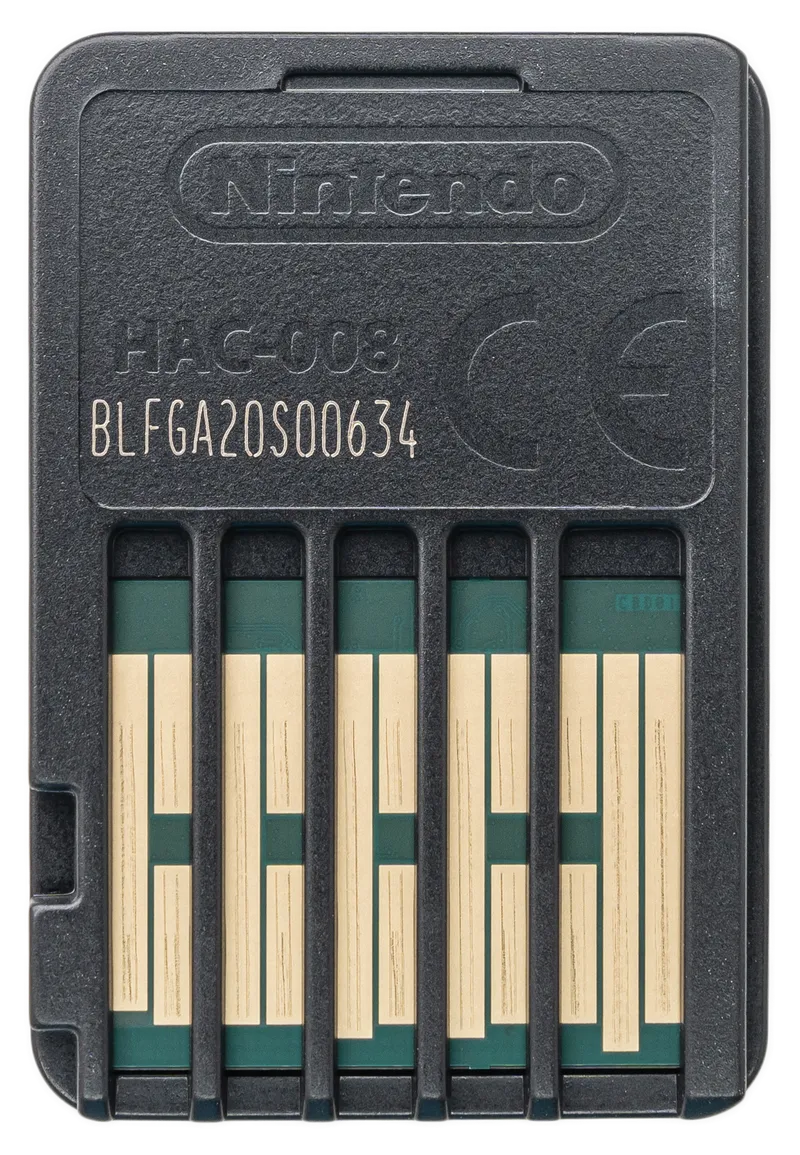
Anticipated for more than a decade, Tomodachi Life: Living the Dream was finally released on April 16, 2026 for Nintendo Switch and Nintendo Switch 2. This sequel to the cult classic Tomodachi Life (3DS, 2013) revives the same delightfully offbeat formula — an island populated by Miis you watch over, help and tease — while adding a massive layer of customization, free romantic orientation for every resident, and a genuine graphic creation workshop. Here's a complete guide to getting your island off to a good start, avoiding classic mistakes and quickly unlocking the most useful buildings.
A comeback awaited twelve years after the 3DS installment
Development of the game took nearly eight years at Nintendo. Producer Yoshio Sakamoto and director Ryutaro Takahashi have repeatedly mentioned how difficult it was to find the right tone for a sequel: keeping the absurdity that made the original a hit, while modernizing the formula for a 2026 audience. The result: the residents remain just as unpredictable, but the sandbox around them is far richer.
The game runs identically on Switch and Switch 2: same features, same sharing options, same limits (70 Miis maximum, versus 100 on 3DS). The Switch 2 version simply benefits from a more stable display and reduced loading times. No content is locked to one console over the other.
Tomodachi Life never asks you to win. You play it the way you tend an aquarium: out of curiosity for what happens next.

Creating your first Mii on the island
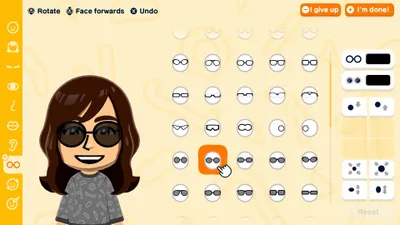
The first time you log in, the game invites you to create your alter ego. This is the only Mii that can't leave the island or fall in love with a resident, so take care with its appearance: it's essentially your master-of-ceremonies avatar. Two methods are offered:
- Guided assistance: the game asks you a series of questions about the face to model (shape, hair, eyes, mouth), handy if you're not comfortable with the editor.
- Free creation: direct access to all settings, with a range of new features absent from the 3DS version — full makeup, tattoos, varied body types, brand-new hairstyles.
Next come the settings that give the Mii its whole personality: voice (pitch, speed, tone), personality spread across four axes (movement, expression, speech, behavior), little quirks, favorite dish, catchphrase. Don't rush this step: it's what will determine whether a resident makes you laugh or not, four weeks down the line.
Importing your friends, family and idols
The great pleasure of Tomodachi Life remains watching your loved ones come to life on the island. On Switch, the 3DS game's camera no longer exists and there's no built-in QR scanner, so importing happens in two steps:
- Create or retrieve the Mii in the Switch system's Mii Studio (or go through the Mii Maker sharing site to scan an old 3DS QR code via an online decoder).
- Open Tomodachi Life, go to the welcome building and select New Resident → From Mii Studio.
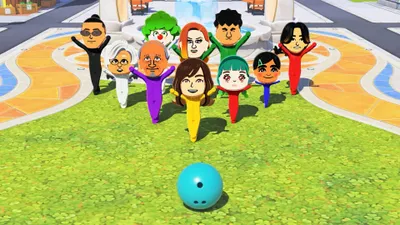
An imported Mii keeps its appearance, name, voice and personality, but not its previous relationships or clothes. It needs to be reintegrated into the social ecosystem from scratch. Plan for a starting core of 6 to 8 residents: enough to get the dynamic going, but not so many that you're overwhelmed by requests.
Understanding and managing residents' needs
Every Mii has a happiness gauge visible on their apartment screen. This gauge rises when you respond to their requests, which appear as icons floating above their building:
- Hunger: bring them a dish bought at the convenience store. Every Mii has a favorite food ("Excellent"), an okay one, and a hated one.
- Clothing desire: the clothing shop offers basic outfits or completely outlandish ones.
- Boredom: start a minigame or trigger an interaction with another Mii.
- Existential problem: the Mii asks for your advice (love, jealousy, a falling-out) and you choose a response — the outcome is often surreal.
Every level-up lets you give them a gift: a decorative item, a song, an unlocked facial expression, or rarer items (a wacky walk, a vocal catchphrase). These gifts aren't just cosmetic: they enrich the Mii's behavior in cutscenes.
Love, marriage, and children on the island
Where Tomodachi Life always shines is in its semi-autonomous romantic simulation. Miis meet on their own, develop feelings, and confess — but you can give them a nudge. A major new feature of Une vie de rêve: relationships are unrestricted, with native support for same-sex couples, non-binary options, and aromantic Miis.
Concretely, the romance loop still follows these steps:
- A Mii confides in you that they have feelings for another. You can encourage them, hold them back, or suggest a confession.
- If the confession succeeds, the couple starts dating, either on the island or at the Tomorama Café, the game's new social restaurant.
- After several weeks together, a marriage proposal can be triggered. The ceremony plays out as a scene, with speeches written by the game based on their history.
- The couple moves into a shared apartment (up to eight Miis can live together), and can then have children. The babies grow up, leave the island as adults, and leave behind a lineage you can consult.
No relationship is locked in. You can refuse a marriage, provoke a breakup, or let two Miis fight endlessly over the same suitor: the social engine adapts.
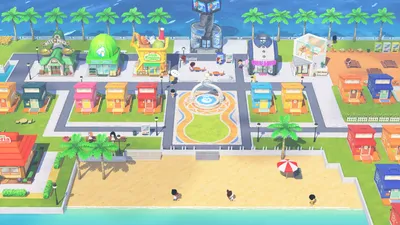
Shops, restaurants, and activities to unlock
The island starts out nearly empty. Each new building unlocks once you reach a population or overall happiness threshold. Here's the rough order in which you'll see them appear:
- Convenience store: available from the start, to feed your residents.
- Clothing shop: after 3 residents.
- Decor shop: furniture, wallpaper, rugs.
- TV station: broadcasts island news and absurd commercials created by your Miis.
- Market: items refreshed daily, with surprise bags.
- Photo studio: shareable staged shots with your Miis.
- Palette Workshop: the creative heart of the game, where you design clothes, dishes, building fronts, and pets.
- Tomorama Café: a meeting spot, unlocked around the 8th resident.
- Wishing Fountain: collects the "warm thoughts" Miis toss into it.
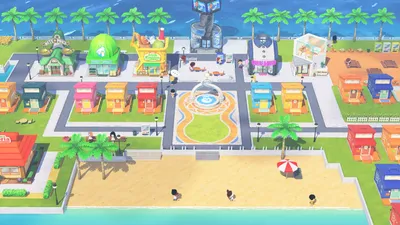
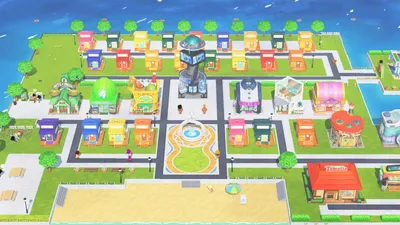
In total, around fifteen facilities are available, plus the parks, beaches, and decorative structures that you place freely to redesign the island's layout — this is new compared to the 3DS installment, where the scenery was fixed.
Mini-games, gifts, and wacky dreams
The Miis will regularly ask you to play with them. These mini-games are short, often based on memory or deduction: naming foods without repeating yourself, guessing a silhouette, figuring out what's hidden behind a pixelated zoom, matching two residents based on a criterion. They earn you a few coins and, above all, happiness.
The dreams are one of the community's favorite moments. When a Mii is sleeping, you can peek into their subconscious: sheep dressed as residents jumping over a fence, absurd chases, surprise weddings with a stranger, appearances by idols from the TV station. No consequences in real life — just a window into their current state of mind.
On the gifts side, two categories coexist:
- Utility items (food, clothing) bought in shops.
- "Signature" gifts unlocked by leveling up, which permanently alter the Mii's behavior.
What's changing compared to Tomodachi Life on 3DS
If you're already familiar with the 3DS entry, here are the main changes to keep in mind:
- Expanded customization: new body types, full makeup, tattoos, pronoun choices.
- Free relationships: same-sex couples, non-binary or aromantic Miis.
- Palette Workshop: design your own clothes, dishes, building fronts, animals, wallpaper.
- Modular island: add parks, beaches, structures, move buildings around.
- Forced interactions: drag a Mii next to another to trigger an encounter, no more waiting on RNG.
- Reduced cap: 70 residents maximum (versus 100 on 3DS) — Nintendo justifies this choice by the increased depth of each Mii.
- Limited QR sharing: no more built-in scanner, you have to go through the system's Mii Studio or an external decoder. This is the main complaint in reviews.
Going further
Three ideas to extend the adventure once your first Miis are settled in:
- Set an island theme (80s, high fantasy, school, corporate) and shape the population around it, to give narrative meaning to relationships.
- Use the Wishing Fountain regularly: the warm thoughts deposited unlock special events and exclusive shop items.
- Document your island: the photo studio and TV station produce content that can be shared locally with another Switch, perfect for showing off your Miis' most absurd antics to a friend.
Tomodachi Life: Une vie de rêve remains a deliberately slow, almost contemplative game. Most French reviews criticize it for becoming repetitive over time, but all agree on its immediate charm, the richness of its simulated personalities, and the gentle melancholy that sets in when a Mii you imported from real life leaves the island. An experience best enjoyed in small daily sessions, like feeding a goldfish.
Share this article
What would you create first on your island?
Frequently asked questions
Do I really need to spend time creating my first Mii?
Yes. This Mii can't leave the island, and it will become your permanent master of ceremonies. Take care with its appearance, voice, and personality: you'll see it constantly, and it sets the tone for your overall experience.
Can I import Mii from the old 3DS version?
Partially. There's no QR scanner or camera on Switch, so you'll first need to create or retrieve your Mii in the system's Mii Studio, or use an online decoder to scan an old 3DS QR code. Once imported, it loses its previous relationships and clothes, but keeps its appearance and personality.
What's the maximum number of Mii I can have on my island?
70 Mii maximum, compared to 100 on the 3DS version. This is a limitation common to both the Switch and Switch 2 versions, so it's not an advantage of one console over the other.
How do I unlock shops and restaurants quickly?
Buildings unlock as your population and overall happiness increase. Start by responding to basic requests (hunger, clothing, boredom); the Convenience Store and Clothes Shop appear very early. The Tomorama Café, the social heart of the game, unlocks around the 8th resident.
Are love stories between Mii really a core part of the gameplay?
Absolutely. Mii meet on their own, develop affinities, confess their feelings, get married, and have children. A new feature for 2026: relationships are now free, with native support for same-sex couples and non-binary options. You can let the game surprise you or gently guide the confessions.
Key takeaways
- Start by creating a polished Mii: it's your permanent avatar, and you'll see it hundreds of times.
- Import 6 to 8 residents at the start via Mii Studio, no more: just enough to kick off the dynamic without overwhelming yourself.
- Romantic relationships are free, inclusive, and totally unpredictable — let the game surprise you rather than forcing things.
- Respond to requests (hunger, clothing, boredom) to boost overall happiness and quickly unlock useful buildings.
- The Palette Workshop is the creative heart of the game: there you design clothes, dishes, and pets shared with the community.
Comments
No comments yet. Be the first to react!
Leave a comment
Similar guides
Latest articles





Your opinion counts
Rate Tomodachi Life: Living the Dream
Click a star to rate