
 Fabian Lainé
Areas
Pokémon Pokopia: what to do in Bubblebottom — floating blocks, watermelons and Staross Dream Island
In brief
Bubble Bottom, the sunken city from Part 1 of Pokémon Pokopia's expansion pass, transforms the game's building rules. Floating blocks finally allow true three-dimensional architecture, watermelons require two Pokémon specialties to grow, and Staross Dream Island unlocks access to crucial resources in co-op.
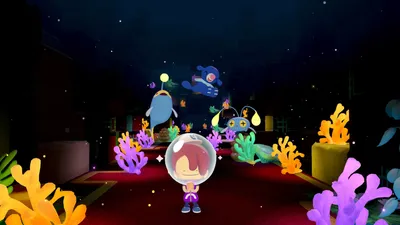
Part 1 of the Pokémon Pokopia expansion pass has been live since August 5, 2026, and it opens up an entire city beneath the surface: Bubblebottom. Once the "A More Pleasant Environment" request has been completed at Grayrock and the Dive ability learned, Ditto descends into a sunken city that must be rebuilt from scratch, exactly like the five zones in the base game.
The difference is that most of the habits picked up on the surface no longer work. You build in volume, farm underwater, light up your construction sites, and recruit an entirely new set of wildlife: Poképédia's count lists 50 Pokémon and 36 habitats added by this first part alone. It's the densest content addition since the game's launch.
Here's the order in which to tackle Bubblebottom so you don't waste your first hours going in circles, and the pass bonuses many players unknowingly leave sitting in a menu.
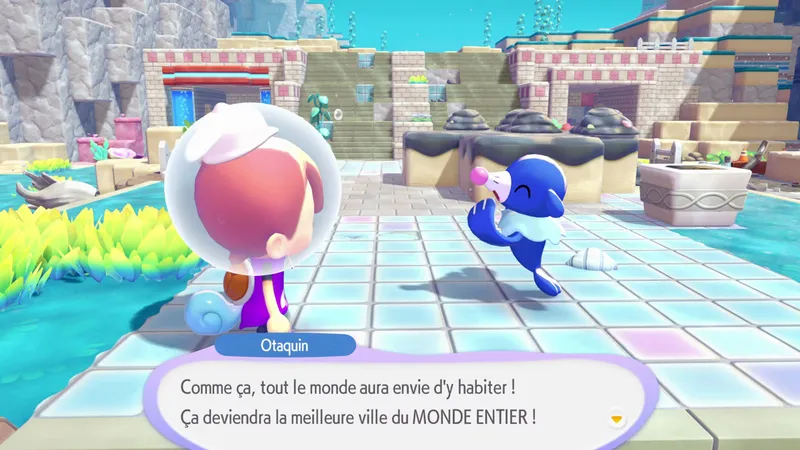
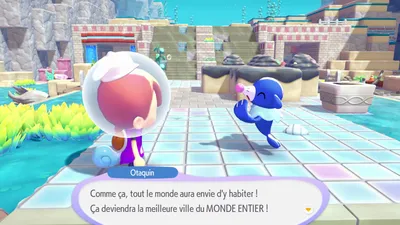
Otaquin is waiting at the entrance: talk to him first
The Pokémon Company spells it out clearly: Otaquin stands at the entrance to the city and serves as the starting point for the restoration work. He plays the role here that Professor Bulbrock plays on the surface, and it's through him that the rebuilding loop gets going.
The natural instinct, when discovering a new zone in Pokopia, is to head off and explore the edges of the map to scout out resources. In Bubblebottom, that's counterproductive: until the initial work has been started, a good number of the submerged structures remain inert and there's nothing you can do with them. Two minutes of dialogue save you half an hour of swimming.
Floating blocks, the real building innovation
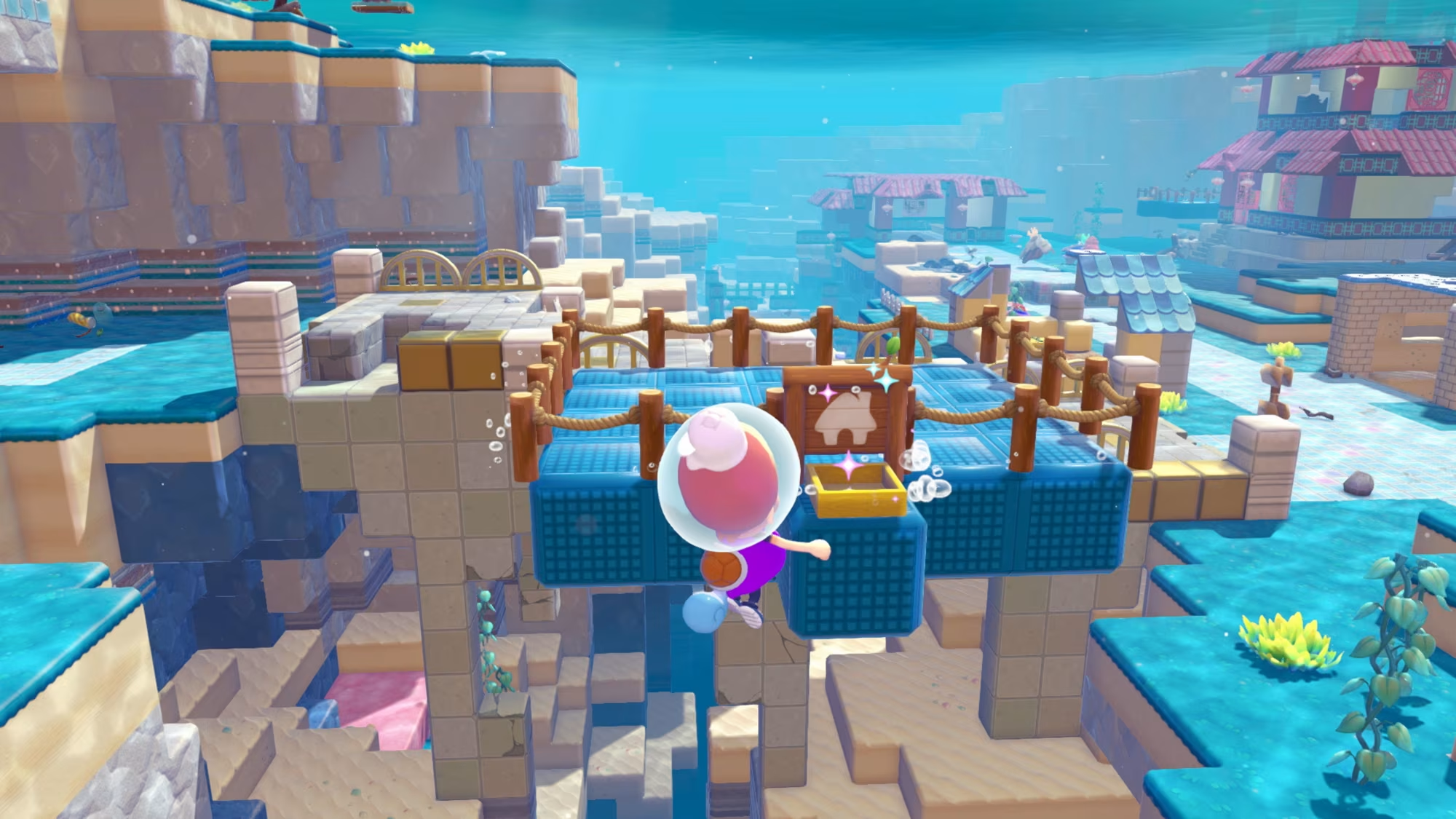
The most important item in the expansion is neither a piece of furniture nor a tool: it's the floating block. It allows you to erect structures that hang suspended at different heights beneath the surface, with no support on the ground. In other words, Bubblebottom is the first zone in the game where you actually build in three dimensions, and Nintendo specifies that these constructions are only possible underwater.
In practice, this changes the way you think about a neighborhood. On the surface, a two-story house still sits on a square plot of land. Here, you can stack independent platforms, leave gaps between them, and have Pokémon move from one level to another. Take the time to experiment a bit in an open area before launching into a big plan: visual landmarks underwater are much harder to read than in open air, and a structure poorly positioned halfway up is a pain to dismantle.
Watermelon: one crop, two required specialties
Bubblebottom introduces a new farmable species, the watermelon, and it's the only zone where it grows. The official procedure involves three steps, and it differs from regular gardening:
- plant the seeds directly on the ocean floor;
- have a Pokémon specialized in watering cover them with foam;
- have a Pokémon specialized in fertilizing stimulate them.
The key thing to remember is that both specialties are required: this isn't single-assistant gardening like berries on the surface. If your Bubblebottom residents only cover one of the two skills, your watermelon field will stall without the game clearly explaining why. Check specialties in the Pokédex before setting up a large plot, or bring in an assistant from another town while you get production going.
The expansion also adds smoothie-making, a brand-new preparation joining the cooking and Poképuff systems already in place. Nintendo doesn't detail the recipes; the simultaneous arrival of a sweet farmable fruit and a blended drink says enough about what you'll need to stock up on.
Attracting Pokémon: Gobou, Loupio, and the aquatic wildlife
Pokopia's basic rule doesn't change underwater: habitats are what bring Pokémon in, not the other way around. Nintendo explicitly cites Gobou and Loupio among the species you attract by building suitable homes, and reminds players that each then puts its specialty to work for the city.
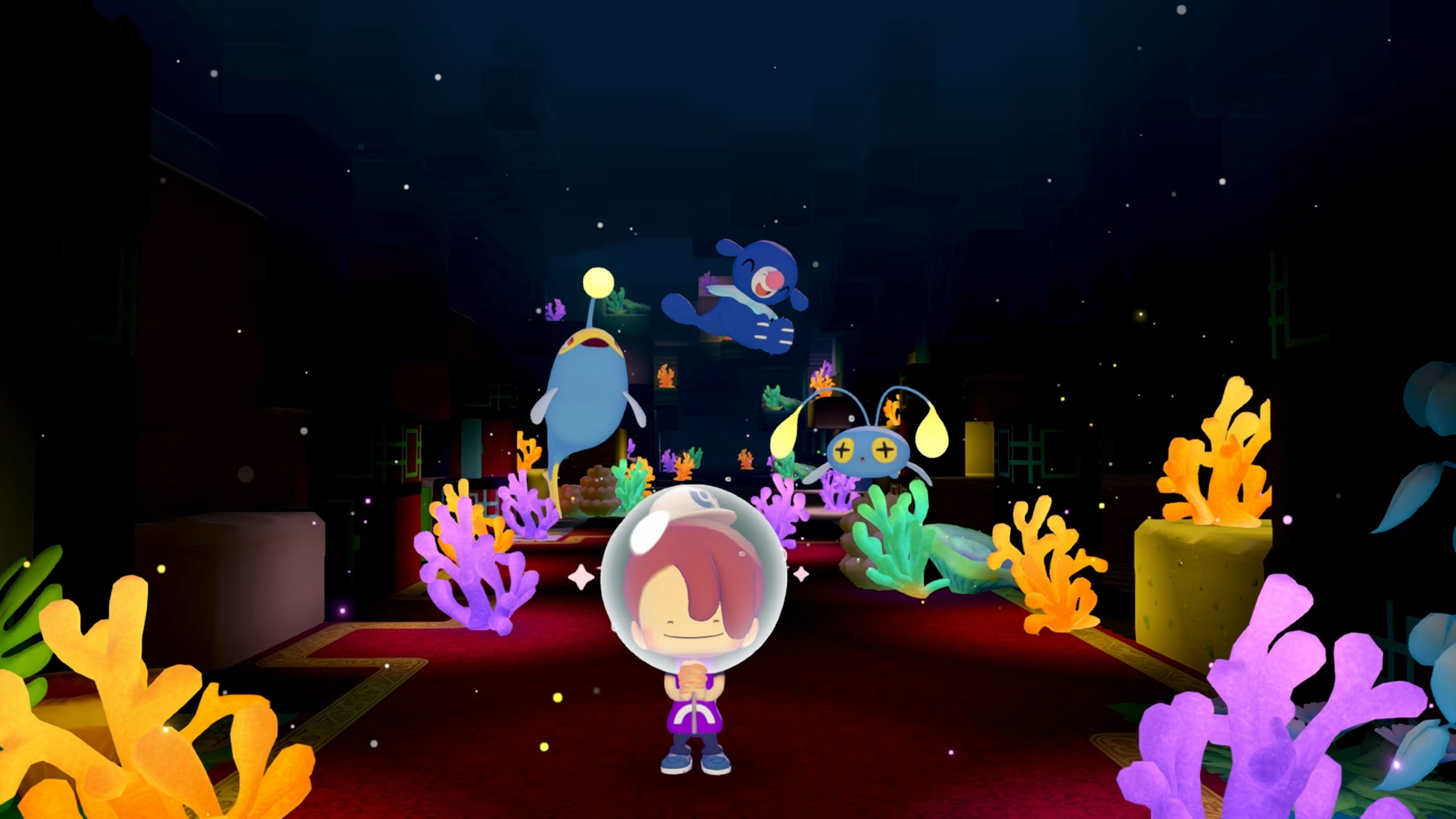
Bubblebottom's dedicated Pokédex is heavily Water-type. Among others, you'll find Kokiyas and Crustabri, Stari and Staross, Corayon, Lovdisc, Mustébouée and Mustéflott, Écayon and Luminéon, the Otaquin line all the way up to Oratoria, as well as Phione and Manaphy. With 36 brand-new habitats to unlock, the classic mistake is building three or four at random: it's better to target first the species whose specialty you're missing for ongoing projects, particularly the watering and fertilizing mentioned above.
The great black hole and the glowing coral
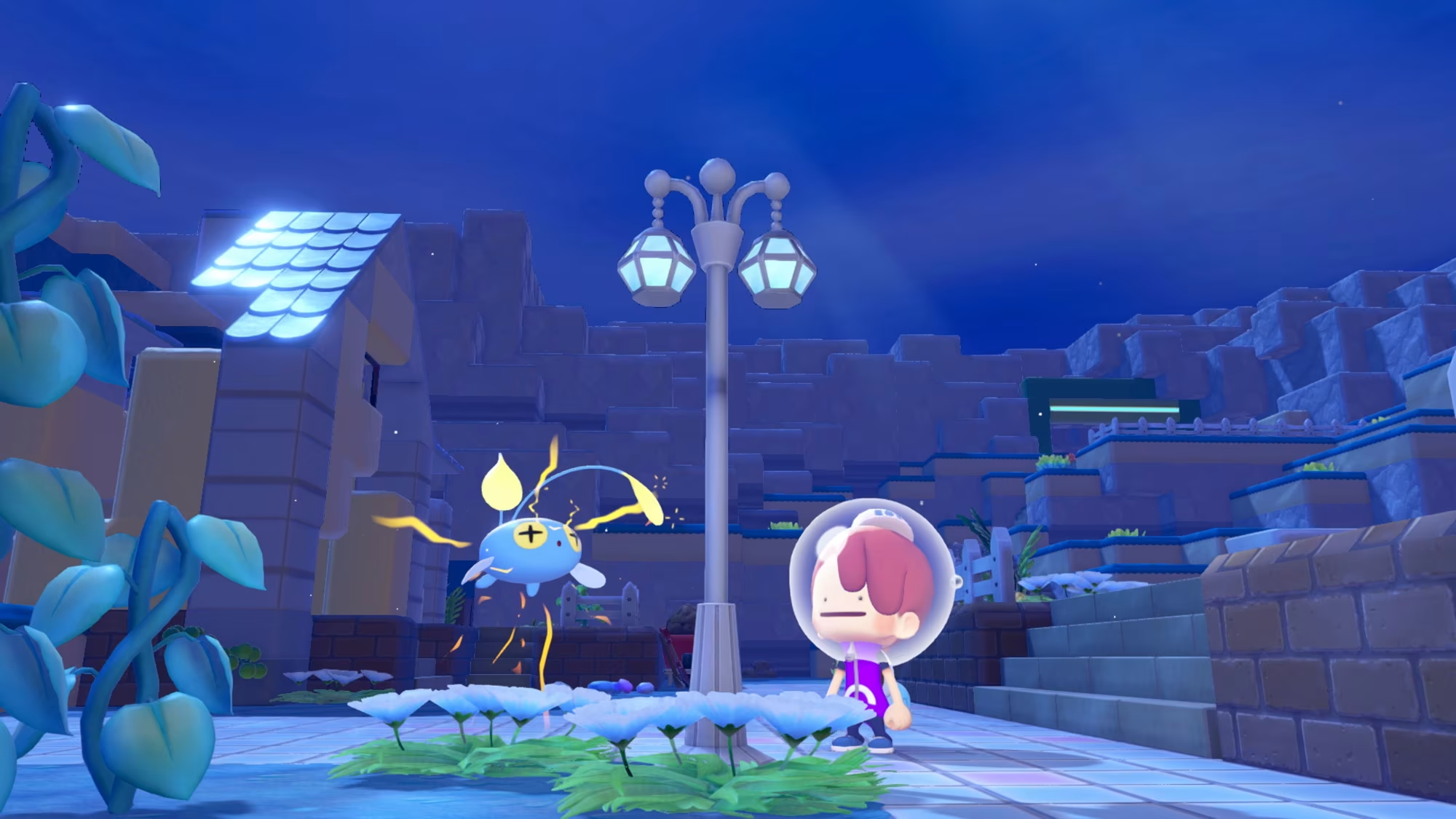
While exploring the outskirts of the city, you'll eventually come across a great black hole. Nintendo deliberately stays vague about what it contains, but does provide instructions: you need to enter accompanied by a Pokémon and follow the glowing coral to find your way.
Two practical tips. First, don't go there at the start of a session: it's the kind of detour that ends badly if you're carrying materials meant for a construction site. Second, bring along a companion that actually helps you see — the game doesn't require a specific species, but between Pikapâle, whose fur glows in the dark, and natural lantern-bearers like Loupio and Lanturn, there's no shortage of obvious candidates. It's one of the few sequences in Pokopia that resembles exploration in the classic sense of the word.
The Staross plush unlocks a Dream Island — and it's playable with others
This is probably the most rewarding item in the expansion and the easiest one to miss. As you go about your business, you'll come across a Staross plush. It works like the other plushies in the game: it serves as a ticket to a brand-new Dream Island, described by Nintendo as packed with resources useful for developing Bubblebottom.
In other words, if you're short on materials for your floating blocks or your habitats, that's where you should go before scraping the city's scenery for resources. This Dream Island is also accessible in multiplayer: you can swim and play there with others, making it the only genuinely new co-op content in Part 1. Note, however, that the current summer event does not take place there (see below).
Bubble machines, aquatic furniture, and outfits
On the decoration side, Part 1 adds three distinct building blocks. First, bubble machines, presented as a decorative element to place around the city — the underwater equivalent of the surface's monuments and fountains. Next, furniture designed for aquatic living, essential as soon as you start furnishing the homes of new arrivals. Finally, brand-new outfits for Ditto, included in the paid content.
If you play mainly for decorating, this part of the expansion is what will justify the purchase over time, more so than the handful of hours of scripted rebuilding.
The two pass bonuses nobody claims
Buying the pass isn't enough: two gifts require an explicit action.
The first is the crafting method for the blocks and wallpaper with the "Ditto Galore" pattern. It's retrieved from within the game: press the + button to open the main menu, then Downloadable Content, then View Item List, then Claim. Until you do this, the recipe appears nowhere.
The second is a batch of 30 rare Poké Metal ingots. It's given to anyone who purchases the expansion pass before August 31, 2027: a code arrives by email at the address linked to the Nintendo account, and is redeemed in-game via the Mystery Gift feature. The code remains valid until September 30, 2027, and the console must be connected to the internet to claim the item. Given how much metal large structures cost, these ingots are worth claiming right away rather than waiting until you need them.
The schedule for the coming weeks
A limited-time event, "Scales for Barpau," will run from August 13, 2026 at 5:00 AM to August 28, 2026 at 4:59 AM. An important point for planning your sessions: The Pokémon Company specifies that it does not take place in Bubblebottom or on the Cloud Islands. So if you were planning to take part, make sure to set aside time for your surface towns.
As for the rest of the pass, Part 2 is expected in late 2026: it will bring accessories for Pokémon to wear, new companions, and new furniture, but no new town. Part 3, planned for 2027, will on the other hand open up an additional zone whose name has not yet been announced.
Where to start, in practical terms
If you only have two or three hours to spare, the most efficient order is as follows: talk to Otaquin to kick off construction, immediately claim the "Ditto Galore" method and your rare Poké Metal ingots, track down the Staross plush to secure a source of materials, then build the first habitats, prioritizing watering and fertilizing Pokémon. Floating blocks, watermelon, and the great black hole can come afterward, once your stockpile catches up.
Conversely, if you play Pokopia for the contemplation more than the optimization, simply do the opposite: dive in, follow the coral, and let the city fill up on its own. That's also why Bubblebottom works so well — the zone is generous enough to support both ways of playing.
Share this article
In Bubble Bottom, what appeals to you the most?
Frequently asked questions
Why isn't my watermelon field progressing even though I have a Pokémon for watering?
Watermelons require two specialties without exception: a Pokémon for watering (covering with foam) AND one for fertilizing (stimulation). If only one specialty is covered, the field stalls with no explanation from the game. Check the Pokédex before planting or bring in an assistant from another town.
Can you do Staross Dream Island in multiplayer and gather resources together?
Yes, it's the only genuinely new co-op content in Part 1. You can swim and play there together to gather materials useful for Bubble Bottom. Note, however, that the ongoing summer event doesn't take place there.
What's the biggest trap when you first arrive in Bubble Bottom?
Heading off to explore right away without talking to Otaquin. Until the first construction work is launched, a good portion of the structures remain inert. Two minutes of dialogue save you half an hour of pointless swimming.
Can floating blocks be used anywhere other than underwater?
No, Nintendo specifies that this mechanic is exclusive to Bubble Bottom. It's the only area of the game where you truly build in three dimensions, with structures suspended at different heights.
Do you need to bring a specific Pokémon to explore the big black hole?
The game doesn't require a particular species, but there's no shortage of obvious candidates: Pikapale with its glowing fur, or natural lantern-bearers like Wimpod and Lanturn. It's better to travel light on materials to avoid unpleasant surprises.
Key takeaways
- Talk to Otaquin at the entrance before exploring: this is the mandatory starting point to unlock construction sites and inactive structures
- Floating blocks revolutionize construction by allowing multi-level suspended structures, only possible underwater
- Watermelons require two simultaneous Pokémon specialties (watering and fertilizing), unlike surface berries which only need one
- Staross Dream Island is the genuinely new co-op content and the most resource-efficient way to quickly unlock blocks and habitats
- 50 Pokémon and 36 new habitats arrive with this expansion: target species whose specialties are missing from your construction sites first
Comments
No comments yet. Be the first to react!
Leave a comment
Similar guides
Latest articles

Your opinion counts
Rate Pokémon Pokopia
Click a star to rate