



 Fabian Lainé
Full Guide
Pokémon Champions: all the rules changed compared to the main games (status conditions, PP, abilities)
In brief
Pokémon Champions runs on a rules engine that's radically different from the mainline games. All three major-status conditions have been weakened, every PP value has been recalculated, around twenty moves have been rebalanced, and six brand-new abilities have made their appearance. Before locking in your team for the Monthly Challenge, you need to understand these changes so you don't copy an outdated set.
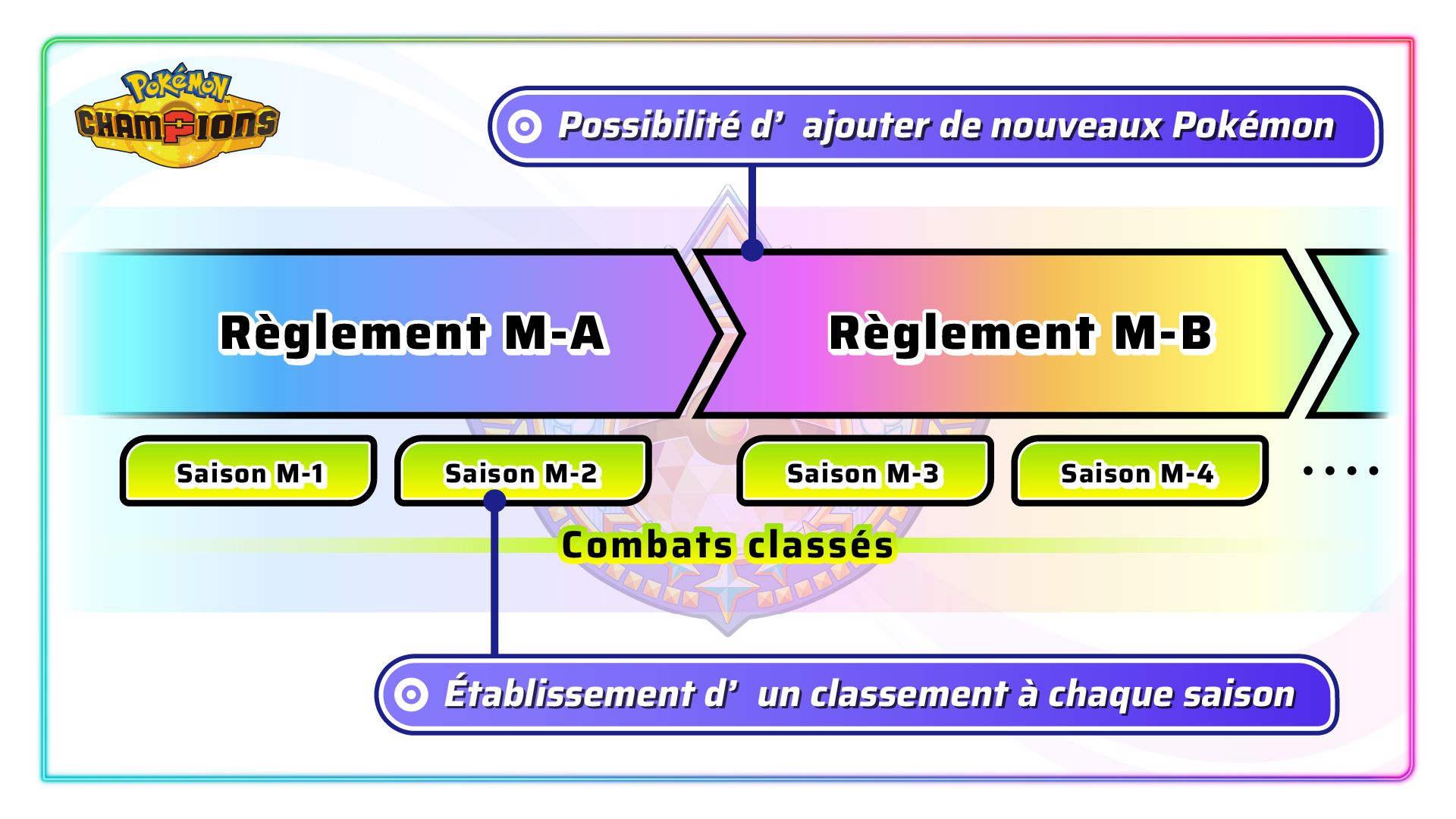
The M-5 Ranked Battle season has been running since August 5, and sign-ups for the August Monthly Challenge open on the 14th. Before locking in a team, there's a misunderstanding to clear up that costs matches every single day: Pokémon Champions does not use the Scarlet and Violet rules engine. All three major status conditions have been rewritten, every move's PP has been overhauled, around twenty moves have been rebalanced, and six brand-new Abilities have appeared.
In concrete terms, a sleeping opponent never loses more than two turns, paralysis only causes a missed turn one time in eight, Moonlight barely lowers Special Attack anymore, and the Protect counter is shorter than elsewhere. A set copied straight from a simulator built around the ninth generation therefore rests on at least two false assumptions.
Here's the full rundown, source by source, followed by the adjustments to make to a team before the Monthly Challenge battles, scheduled from August 21 to 24.
The three major status conditions have been toned down
This is the most structural and least visible change: all three status conditions that prevent a Pokémon from acting have become less reliable.
| Status | Main series | Pokémon Champions |
|---|---|---|
| Sleep | 1 to 3 turns of inaction | 1 to 2 turns of inaction |
| Paralysis | 25% chance of failing to attack | 12.5% chance of failing to attack |
| Freeze | 20% chance of thawing per turn | 25% chance of thawing per turn, guaranteed thaw on the third turn |
The details of Sleep deserve to be spelled out: waking up is possible as early as the second turn, with roughly a one-in-three chance, and becomes automatic on the third. In other words, putting an opponent to sleep buys one turn, sometimes two. It's no longer a way to remove a Pokémon from the fight, it's a tempo gain. Any team built around a sleep inducer — setting up a boost while the target sleeps, then sweeping — loses its reason to exist.
Paralysis changes in nature too. The Speed cut in half is kept, but the chance of being fully blocked drops from 25% to 12.5%. The status becomes a speed-control tool, no longer a lottery capable of stealing a decisive turn. It has to be used for what it reliably does, never for its randomness.
Freeze, finally, stops being a match-stealer: with a guaranteed thaw on the third turn, the target always comes back, and the attacker can no longer stack three free turns of setup on top of it.
Every move's PP has been overhauled
Champions offers neither PP Ups nor PP Max: every move comes with a fixed value, and that value doesn't match the main series games. The scale follows a simple rule, verifiable move by move in the Serebii database dedicated to the game.
| Original PP | PP in Champions | Confirmed examples |
|---|---|---|
| 5 | 8 | Fake Out |
| 10 | 12 | Mega Punch, Bone Rush, Explosion, Feint Attack, Grass Knot |
| 15 | 16 | Iron Head, Moonlight, Night Slash, Flame Wheel, Trick |
| 20 and above | 20 | all high-volume moves |
The cap at 20 is the most underestimated part of the scale: spam moves that went up to 30 or 40 PP elsewhere drop back down to the same level as everything else. In a long match, a defensive pivot's PP pool runs out much faster than expected, and Struggle becomes a real scenario.
On top of this scale comes a short list of exceptions noted by pokekalos, the go-to French-language reference for the game. It concerns protection moves first: Protect, Kings Shield, Spiky Shield, and Baby-Doll Eyes are brought down to 8 PP, where the general rule would give them 12. Sky Attack undergoes the opposite treatment of the buff it otherwise receives: its power climbs, but its PP drops from 15 to 8, a value that the Serebii database also confirms. Only Night Slash goes up, from 16 to 20.
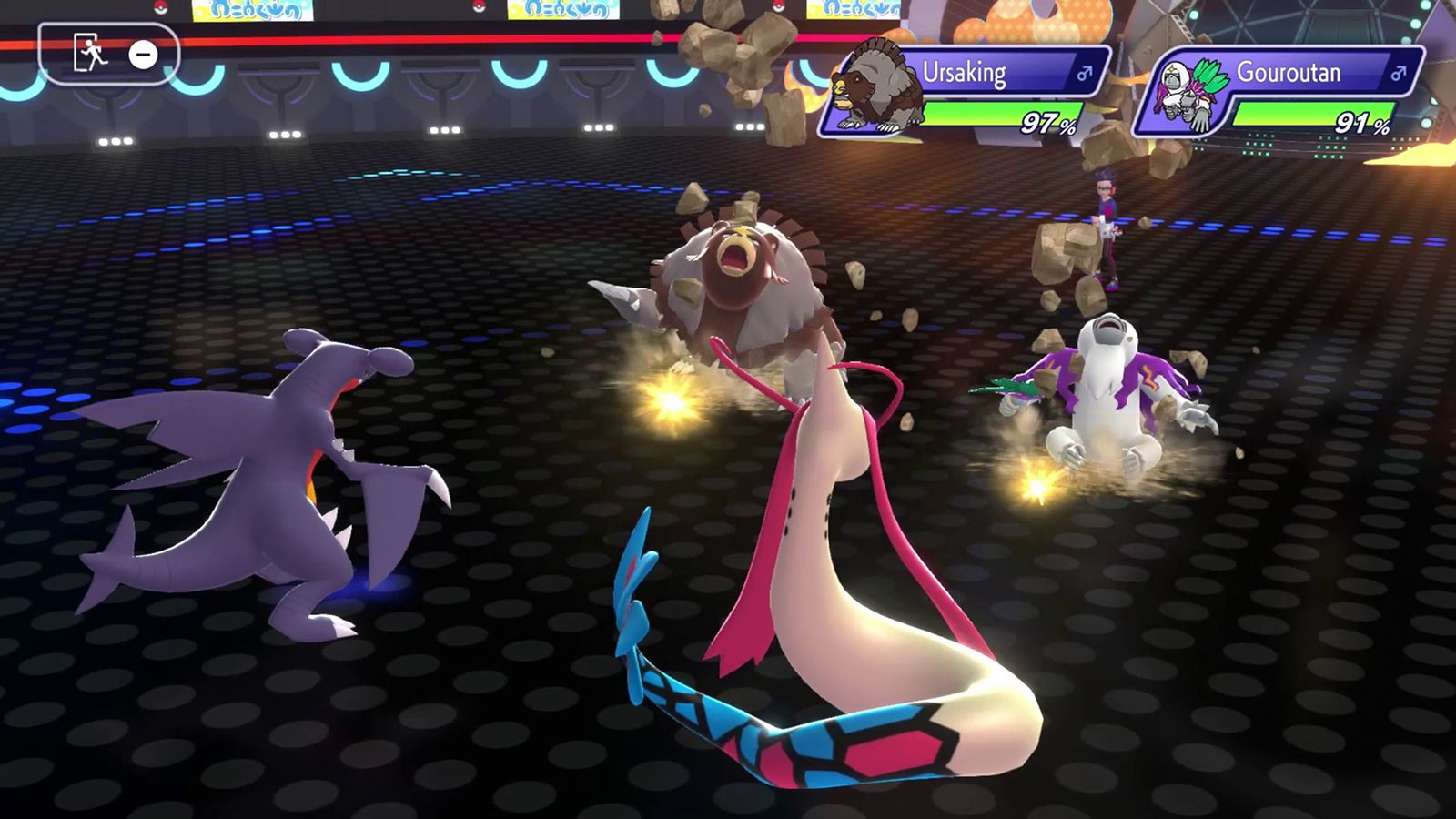
For a Double Battle team, the consequence is immediate: two slots alternating Protect every turn will drain their reserve well before the end of a hard-fought match, not to mention chained failures when the move is repeated. Pure stalling isn't banned in Champions, it's simply capped by the PP counter.
A word of caution is in order: third-party databases still mix Champions data with Scarlet and Violet data. The op.gg index, for example, shows Protect at 12 PP, Detect at 5 PP, and Skirmish at 90 power, which are figures from the main series. For the numbers, cross-check pokekalos and Serebii.
About twenty moves rebalanced
Five effects revised downward
| Move | Before | In Champions |
|---|---|---|
| Moonblast | 30% chance to lower Special Attack | 10% |
| Iron Head | 30% chance to flinch | 20% |
| Dire Claw | 50% chance to inflict a status condition | 30% |
| Salt Cure | 1/8 of HP per turn (1/4 on Steel and Water types) | 1/16 per turn (1/8 on Steel and Water types) |
| Sticky Web | −1 Speed stage | −2 Speed stages |
Two of these lines directly affect the top of the current rankings. Moonblast is Iron Valiant's signature move, one of the most played Pokémon of the season: the Special Attack drop, once frequent enough to factor into a damage calculation, becomes a mere 10% footnote. Iron Head, a staple of physical Steel-type sets and notably Mega Metagross, stops being a 30% dice roll — the move is now played for its damage, not for its flinch chance.
Salt Cure is stripped of its function: its residual damage cut in half removes the slow-attrition archetype it carried elsewhere. Conversely, Sticky Web receives the only real buff on the list and becomes a genuine speed-control tool in its own right, without needing Tailwind.
Second-tier signature moves brought back into play
The reverse logic applies to power values: Champions raises about a dozen underused signature moves, which mechanically widens the pool of viable Pokémon without touching the top of the meta.
- Sky Attack and Freeze-Dry: 100 → 120
- Skirmish: 90 → 100
- Shelter Sprint: 70 → 90
- Sappy Seed: 70 → 85
- Malicious Moonsault, Gyro Ball, Flare Blitz, Shadow Weave: 80 → 90
- Night Burst: 85 → 90
- Funeral March: 60 → 65
- Bone Rush: 25 → 30
On the accuracy side, Vise Grip goes from 90% to 95% and Syrup Bomb from 85% to 90%. Nothing spectacular taken in isolation, but these adjustments make usable attackers that previously fell short of the reliability threshold required in competitive play.
Two type changes
Growth leaves the Normal type for the Grass type, and Toedscruel moves from the Grass type to the Steel type. The second change is the most concrete one: Toedscruel changes its effectiveness chart and becomes relevant against Rock, Ice, and Fairy targets. Watch out, this is also the point on which third-party databases diverge the most — pokekalos and Serebii agree on the switch to the Steel type, while op.gg still displays the Grass type.
Six abilities that only exist in Champions
The game had to invent abilities for the Mega Evolutions from Pokémon Legends: Z-A, a title that didn't use an ability system. Six are therefore brand new, each carried by a single Mega Evolution.
| Ability | Holder | Effect |
|---|---|---|
| Mega Sun | Mega Meganium | The Pokémon uses its moves as if the sun were shining, even without active weather |
| Dragon's Skin | Mega Feraligatr | Normal-type moves become Dragon-type, power ×1.2 |
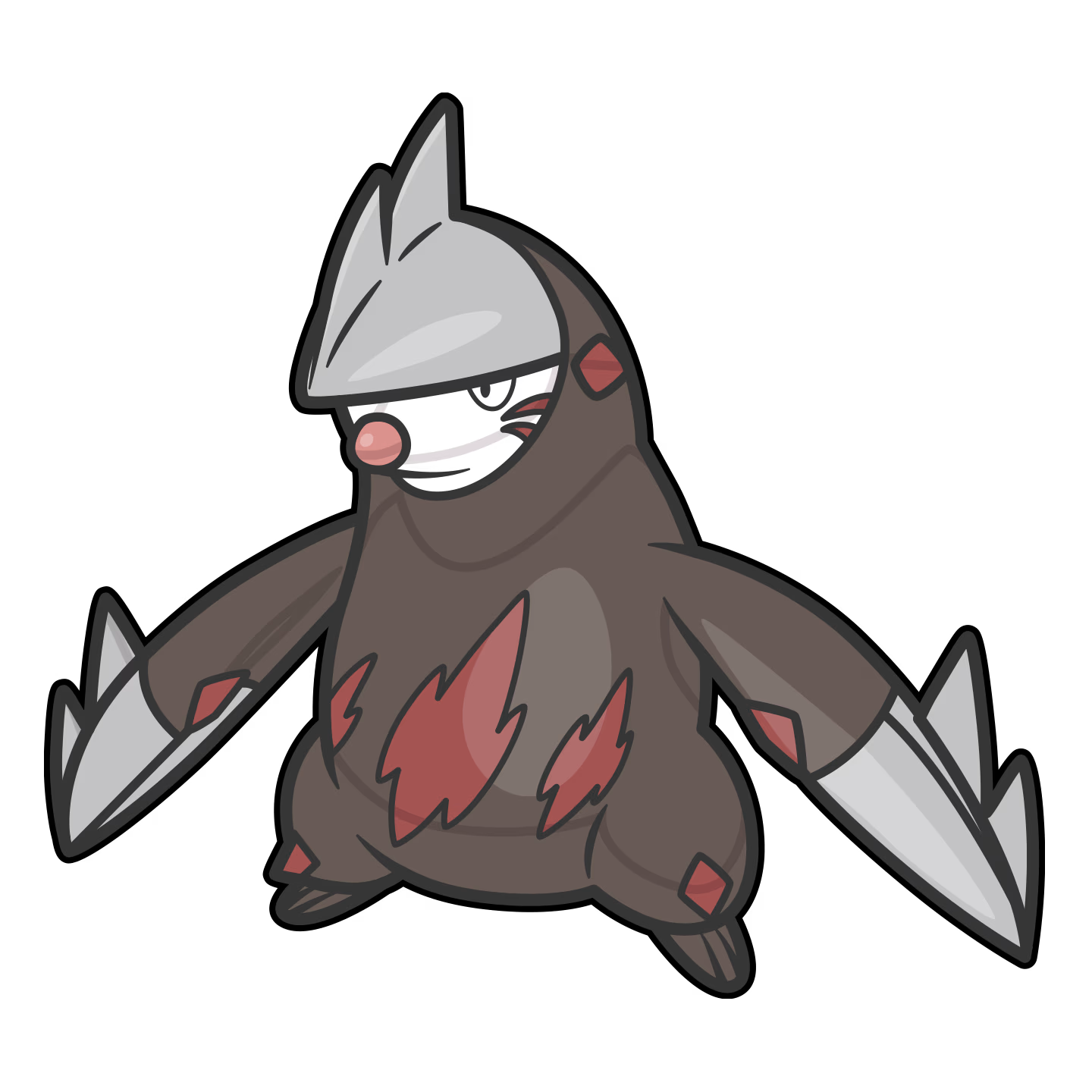
| Piercer | Mega Excadrill | Contact moves ignore protection and deal a quarter of the damage |
| Habanero Eruption | Mega Scovillain | Burns the opponent who inflicts damage on the holder |
| Fire Mane | Mega Pyroar | Fire-type move power ×1.5 |
| Levitation Boost | Mega Electivire | Immunity to Ground type and ground-based traps; the highest stat rises one stage upon each KO |
Only one of these six abilities changes something as of this season: Piercer, on Mega Excadrill. Excadrill and the Excadrillite are featured in the premium tier of the M-5 season's battle pass, which opened on August 5, making the Mega Evolution immediately accessible. And the interaction is brutal: against a Mega Excadrill, Protect no longer acts as a shield, it only reduces damage to 25%. In a format where protection is already limited to 8 PP, answering this threat with Protect amounts to losing a turn and a quarter of a health bar.
Two known abilities, modified
Sheer Force gets exactly the same treatment as Piercer: it still goes through protection, but now only deals 25% of the damage instead of the full amount. This is a severe nerf for an ability that, elsewhere, turned a protected opponent into an ordinary target.
Heal Pulse goes the opposite way: in Doubles, the chance to heal an ally's status condition rises from 30% to 50%. Combined with already weakened status-locking conditions, this further reduces the appeal of a game plan built around Sleep or Paralysis in the Doubles format.
The six fixes to make before August 21
- Drop any plan that treats Sleep as an elimination. Count on one turn of tempo, two at best.
- Never factor Moonblast's Special Attack drop into a damage calculation. At 10%, it's not part of the plan.
- Count your Protect PP. Eight uses at most, fewer if you chain it and the move fails.
- Have a response to Mega Donphan that isn't Protect. A clean switch or a Steel-type resist is worth more than a protection that gets broken through.
- Keep Toxic Thread in mind as a backup speed plan. Two stages down is the equivalent of a targeted Tailwind, with no duration limit.
- Always cross-check the numbers. A simulator or a database built on the ninth generation will give you the wrong PP and the wrong power values.
These rules aren't a peripheral balance detail: they define what's playable under M-B rules. Season M-5 runs until September 9, the Monthly Challenge takes place from August 21 to 24 in Solo Battle, and the World Championships are held in San Francisco from August 28 to 30. Three deadlines where the gap between an informed player and one relying on imported reflexes will be paid for turn by turn. One unknown remains that no one can settle: are these adjustments specific to Champions, or a preview of the next main game?
Share this article
Among these changes, which one impacts your team-building approach the most?
Frequently asked questions
Can I use sets I copied from Smogon or a Scarlet and Violet simulator?
No, that's exactly what you shouldn't do. PP, statuses, and move proc rates are all different. A directly copied set rests on at least two false assumptions and will cost you matches.
Is putting an opponent to sleep still as powerful as before?
Far from it. Sleep now lasts one or two turns at most, and waking up on the third turn is guaranteed. It's become a tempo gain, not a way to remove a Pokémon. Strategies built entirely around it no longer work.
Why do protection moves like Protect have less PP?
Protect goes from 12 to 8 PP in Champions. That means alternating Protect across two slots in Doubles will burn through the pool well before the end of a close match, making pure stalling less viable as a strategy.
Where can I find Champions' real values without getting tripped up by third-party databases?
Cross-reference pokekalos and Serebii, the two most reliable sources. Op.gg and others still display Scarlet and Violet data, which creates traps around types and power values.
Was Moonlight on Clefable really nerfed?
Yes, the Special Attack drop goes from 30% to 10%, making it negligible in damage calculations. Clefable remains playable, but its defensive pressure has collapsed.
Key takeaways
- A sleeping Pokémon wakes up in one or two turns at most, which kills sleep-sweep strategies.
- Paralysis now blocks only one turn in eight instead of one in four, making it a speed-control tool rather than a lottery.
- Protection moves like Protect cap out at 8 PP, which makes pure stalling much less viable in Doubles.
- Moonlight only lowers Special Attack by 10%, turning Clefable's nerf into a mere minor bonus.
- Six completely new abilities exist only in Champions, including Piercing Body on Mega Mawile, which bypasses protection moves.
Comments
No comments yet. Be the first to react!
Leave a comment
Similar guides




Latest articles






Your opinion counts
Rate Pokémon Champions
Click a star to rate