


 Fabian Lainé
Full Guide
Diablo 4 Season 14: the Uber bosses guide — Varshan, Grigoire, Lord Zir, Beast in the Ice, Andariel, Duriel (July 2026)
In brief
Season 14 "Reawakening of the Dead" reshapes Diablo 4's endgame around six Uber bosses accessible via a unified helltide key system. This guide explains how to farm keys efficiently and master the mechanics of the four entry-level bosses (Varshan, Grigoire, Lord Zir, Beast in the Ice) before progressing to the two higher-tier bosses (Andariel and Duriel), who hold the real jackpot in mythic uniques.
Season 14 "Awakening of the Dead" has reshuffled Diablo 4's endgame, and one thing has become clear: no matter your character — Barbarian, Necromancer, Sorcerer, Rogue, Druid, or Spiritborn — the real hunt for mythic uniques now runs through the Uber boss ladder. The lairs of Varshan, Grigoire, Lord Zir, the Beast in the Ice, then Andariel and Duriel, now concentrate the bulk of targeted legendary drops. Here's our complete guide, up to date as of July 2026, to help you understand the Lair Key system, farm efficiently, and make the most of every summon.
The unified Lair Key system — how it really works
Gone are the endless checklists where each boss demanded its own materials (vials of agony for Varshan, living steel for Grigoire, bleeding hearts for Lord Zir…). Since the successive overhauls of Vessel of Hatred and Season 12, Blizzard has unified summoning around a single currency: the Lair Key. Every attempt on a "Tormented" boss now costs one standard key, while the two higher-tier bosses — Andariel and Duriel — require a specific Grand Lair Key.
In practical terms, this means three things. First, you'll never again be blocked by a missing material: any endgame activity generates keys indiscriminately. Second, the ladder becomes genuinely readable: four Tormented bosses to loop through to build up your stock, then two higher-tier bosses that capitalize on that preparatory farming. Finally, each fight now triggers a roll on the game's mythic unique table, with a slightly boosted rate compared to other sources — turning every key spent into a lottery ticket.
Farming keys efficiently — where and at what pace
Lair Keys drop from three main activities. Each has its own advantages depending on your playstyle and the Torment tier you're playing at.
- Nightmare Dungeons: the most consistent source. A T90+ dungeon guarantees you a key per run, with an excellent Paragon experience bonus on top. Ideal for solo players who like the "closed dungeon" structure.
- Helltides: profitable if you play in a group and run the altars. You'll stack Cinders, Helltide Chests, and keys in parallel. Expect two to three keys per hour on a crowded server.
- Kurast Undercity: the densest source of Tormented keys and Grand Lair Keys, provided you've leveled up a Baneful Heart key high enough. The pace becomes surgical once you've mastered the modifiers.
On top of these three pillars, there are also Whispers (Grim Favor routes, very profitable at the higher tier), as well as a few zone events during Helltides that grant a bonus key upon defeating a world boss. Our advice: spend thirty minutes stacking ten to fifteen keys before each big boss session. This will save you frustrating back-and-forth trips.

The four Tormented bosses — the quartet to master before anything else
These four encounters share the same cost (1 Stygian Stone), the same minimum difficulty (Torment 1) and the same secondary mythic uniques table. They differ in their targeted uniques table, dedicated cosmetic, and mechanics. Rotate between them depending on which uniques you're targeting for your build.
Echo of Varshan — Malignant Burrow (near the Whispering Tree)
This is the ideal entry-level boss, with readable mechanics and shadow damage that's easily mitigated. Its three signature attacks are the tentacle strike (dodge sideways), the putrid dance (an AoE pattern on the ground) and the malignant summon. This last phase is crucial: destroy the summons before Varshan absorbs them, otherwise he gains a massive damage buff. Its uniques table includes several pieces sought after by Necromancers, particularly bone-related ones. Associated cosmetic: the "Fused Flesh Rod" trophy.
Grigoire, the Galvanized Saint — Penitent Hall
Grigoire is the "discipline" boss. He deals almost no damage if you respect his rolling storm zones, but one or two positioning mistakes can one-shot you beyond Torment 3. Always stay on the edge of his electric field, deal with his lightning orbs in small groups, and take advantage of the windows between waves. It's a perfect training boss to validate a build's solidity before attempting Andariel.
Lord Zir — Ancient's Throne, east of Kyovashad
This ancient vampire covers the arena in pools of blood and chains rapid charge combos. The key is mobility: prioritize a dodge or teleport skill, stay on the periphery to avoid his life drain, and focus DPS between two salvos. Cosmetic reward: the "Ancient's Diadem" helm. Its uniques table is excellent for Sorcerers and Barbarians.
The Beast in the Ice — Nostrava (Fractured Peaks)
A historic boss from the great cold, it deals massive frost damage and applies a fearsome slow whenever you stand still in its zones. Prioritize cold resistance, break its stalagmites before they explode, and above all never stay in melee range during its breath wave. It drops several uniques sought after by Tornado Druids and Ball Lightning Sorcerers.
The two top-tier bosses — Andariel and Duriel, the real jackpot
These two encounters each require a Greater Stygian Stone, obtained by defeating the initial bosses (particularly Varshan and Urivar in Kurast). Their mythic unique drop rate is significantly higher: this is where your runs become profitable in the long term.
Echo of Andariel — Hall of the Damned, east of Tarsarak
Andariel chains elemental damage (poison, fire, physical) and applies stacking "Tormented" debuffs that multiply damage taken. The golden rule: avoid all her attacks, even the minor ones. A stack of three debuffs without cleansing is enough to liquefy you at Torment 3. Prioritize overall resistance on your gear, keep moving constantly, and take advantage of the phases between her summons. Once defeated, she unlocks the "Smoldering Ashes" cosmetic mount.
Echo of Duriel — Gaping Crevasse, Kehjistan
Duriel remains the absolute reference when it comes to Mythic Uniques. The fight plays out over three distinct phases, with charge attacks that leave a persistent toxic trail. The key: stay behind the boss whenever possible to avoid the frontal bite cone, and break its appendages before they regenerate. Each victory recharges a "Nightmare Heart" gauge reserved for Pit runs — an excellent side bonus for pushers.
Mythic Uniques — the loot holy grail and how to maximize your odds
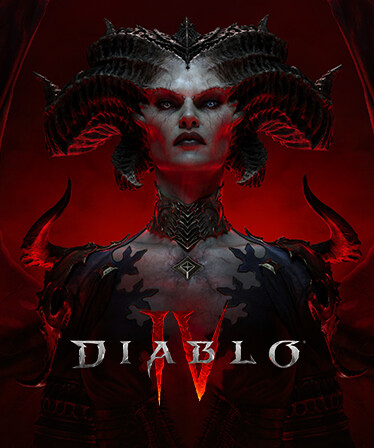
Mythic Uniques (formerly known as "Uber Uniques") are the most powerful items in the game. Every Lair boss can drop one, with an improved drop rate compared to Nightmare Dungeons or Pit runs. Here's our summary table to help you prioritize your runs:
| Boss | Cost | Minimum Torment | Strength |
|---|---|---|---|
| Varshan | 1 Lair Key | T1 | Necromancer Uniques / simple entry |
| Grigoire | 1 Lair Key | T1 | Reliable build test, Lightning drops |
| Lord Zir | 1 Lair Key | T1 | Sorcerer / Barbarian Uniques |
| Beast in the Ice | 1 Lair Key | T1 | Druid / Frost Sorcerer Uniques |
| Echo of Andariel | 1 Stygian Key | T1 | High Mythic rate, mount |
| Echo of Duriel | 1 Stygian Key | T1 | Best Mythic rate in the game |
Three rules to optimize your farming: push your Torment tier as high as your build can handle (the quality multiplier increases noticeably at each tier), chain your summons without leaving the area (every trip back to town breaks the rhythm), and keep a stock of potions and Scrolls of Resurrection in reserve for autopilot runs.
Torment T1 to T4 — which tier to aim for in July 2026
The Torment mode is now organized into four distinct tiers (T1 to T4), following a rework introduced in Season 12 that compressed the old T1-T10 spread. Uber bosses are accessible starting at T1, but drop quality improves significantly with each tier. Our recommendation:
- T1: access to validate your build, no stress. Decent drops but base Mythic rate.
- T2: sweet spot for most solo players. Good balance of speed and quality.
- T3: natural mid-season target, requires decent gear and clean mechanics management.
- T4: playable in an optimized group or solo endgame; this is where Mythic Uniques really start dropping consistently.
For reference, the Pit operates on its own tier system and is not tied to Torment levels: it's used to validate your push limit and generate the Nightmare Ashes needed to upgrade Masterwork gems. It remains complementary to the Lair boss ladder — not a competitor to it.
Team composition and recommended rotations
Many players underestimate the benefit of multiplayer for Uber bosses. In a group of four, you split the cost per participant (one player summons, the others benefit from their own personal drop), which mechanically multiplies the number of attempts per hour. An ideal composition mixes a crowd-control support (Flurry Rogue or Blood Surge Necromancer), two heavy DPS (Ball Lightning Sorcerer, Death Blow Barbarian, Tornado Druid), and a survivability support (defensive Spiritborn or Companion Druid).
Set a clear summoning order within the group to balance out spending: each member summons in turn, ensuring no one runs dry faster than the others. An efficient session means spending twenty to thirty keys in a row on the same boss before switching to another one to restock.
Common Mistakes to Avoid
- Summoning too early: at Torment 1 with gear barely out of the campaign, drops are weak and runs are stressful. Wait until you've reached at least 60% of your target legendary aspects before diving in.
- Ignoring superior Whispers: they stack keys, gold, and crafting materials. It's the most versatile pipeline of the season.
- Underestimating elemental resistances: each Stronghold boss relies on a specific damage type. A quick adjustment to your gems or resistance scrolls can double your survivability.
- Farming a single boss on repeat: the targeted unique table varies significantly. Alternating between Lord Zir, Beast in the Ice, and Varshan optimizes your chances of getting the piece you're after without relying solely on mythic RNG.
- Neglecting your stack of Cursed Seal and rift materials: they remain useful for Pandemonium Rifts and the parallel endgame, so don't throw them away.
Our Tips for Keeping Up the Pace Over Time
The Uber boss ladder is a marathon, not a sprint. To keep things enjoyable, alternate your activities: a Nightmare session to reload keys, a targeted boss session, a Pit session for gems, an Infernal Hordes session to catch your breath and stack up ashes. This rotation prevents the mental fatigue of single-source farming and ensures multi-axis progression.
Finally, note that Season 14 will run through the fall, with occasional drop rate adjustments announced by Blizzard in minor patches. If you haven't landed your first mythic unique after twenty to thirty summons, don't panic: variance is real, but it always evens out eventually. Grab your keys, and see you in Kurast.
Share this article
Which Uber boss appeals to you most right now?
Frequently asked questions
How many keys should you spend before trying Andariel or Duriel?
There's no magic number. That said, only take on the higher-tier bosses once your build comfortably clears Torment 2 or 3 against the entry-level bosses. A Grand key represents a significant investment: don't waste one if you risk dying quickly.
Which entry-level boss should I farm first?
It depends on which mythic uniques matter for your class. Check the drop table by boss in the guide. That said, Varshan remains statistically the most accessible and the best starting point for learning Uber mechanics.
Do mythic uniques only drop from Uber bosses?
No. Nightmare Dungeons, Pit of the Artificers, and Helltides also generate them, but at a much lower rate. Uber bosses offer a significantly higher quality multiplier — which is why the ladder converges on these fights.
Should you push Torment to the maximum for boss fights?
Yes, as long as your build can handle it without risk. Each Torment tier raises the quality multiplier and therefore the odds of mythic uniques. Dying repeatedly or resetting the boss isn't optimization, but pushing to the highest sustainable tier absolutely is.
Is Duriel really worth farming exclusively over the other bosses?
Yes. Duriel's mythic drop rate is the best in the game. If your build can take the hit, focus your Grand keys on him and relegate the other higher-tier bosses to "free time" runs.
Key takeaways
- The unified helltide key system removes material bottlenecks and turns every farm into a mythic unique lottery.
- Varshan is the best entry point: his readable mechanics and accessibility make him the ideal springboard before tackling more demanding bosses.
- Andariel and Duriel require a Grand helltide key but offer a drastically higher mythic drop rate — the true loot grail.
- Grigoire is your build test: if he one-shots you, your gear isn't ready for real endgame challenges.
- Nightmare Dungeons and the Undercity of Kurast are your main key sources; stockpile ten to fifteen keys before each major boss session.
Comments
No comments yet. Be the first to react!
Leave a comment
Similar guides
Latest articles






Your opinion counts
Rate Diablo IV
Click a star to rate