


 Fabian Lainé


Full Guide
Hearthstone: the Fatigue Mage deck dominating Fort Pourpre (July 2026)
In brief
Fatigue Mage resurfaces as a tier 1 deck in patch 36.0 thanks to Frostbolt Oracle, Ticket-Seller, and Keymaster Alabaster, three cards that turn the opponent's draw into a win condition. This guide covers the full 30-card decklist, class-by-class mulligan strategy, and key matchups to exploit this now devastatingly effective fatigue weapon.
Since the release of the Escape from Crimson Keep expansion on June 24, 2026, the Hearthstone Standard meta has stabilized around an aggressive trio: Thief Rogue, Tempo Hunter, and Control Warrior. Yet, in the corners of the Legend ladder, an archetype long considered a meme is quietly climbing into tier 1: Fatigue Mage (often nicknamed Mill Mage). By forcing the opponent to draw faster than they can empty their hand, Jaina Proudmoore turns the fatigue mechanic into a win condition. Here is the full patch 36.0 list, the key cards, the class-by-class mulligan, and the most significant matchups.

Why Fatigue Mage is playable again in patch 36.0
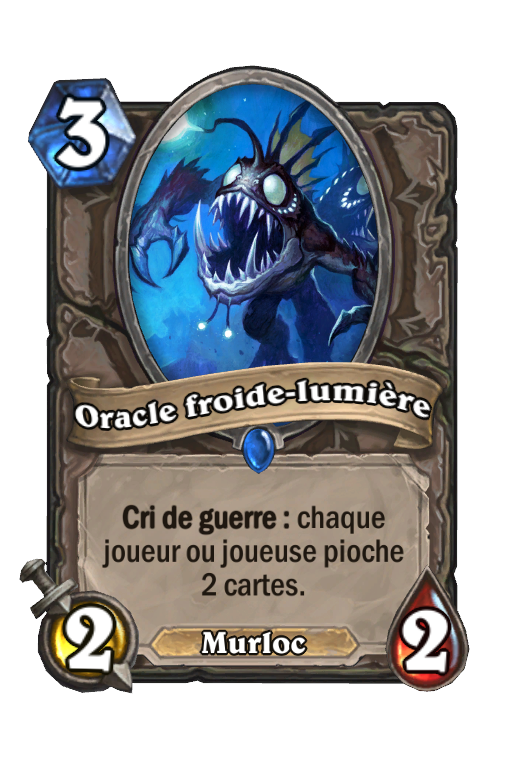
Three main reasons explain the archetype's return to favor. First, the return to the Core set of Coldlight Oracle and Cinder Elemental offers a cheap neutral mill plan. Second, Mage benefits from a complete freeze package (Blizzard, Cone of Cold, Bitter End) that neutralizes aggressive boards while the combo is assembled. Finally, the new card Skeleton Key (JAIL_319) from Escape from Crimson Keep gives the class a 1-mana discover tool capable of drawing whatever missing answer is needed, including Counterspell or Ironclad Alibi.
The concept: winning by emptying the opponent's deck
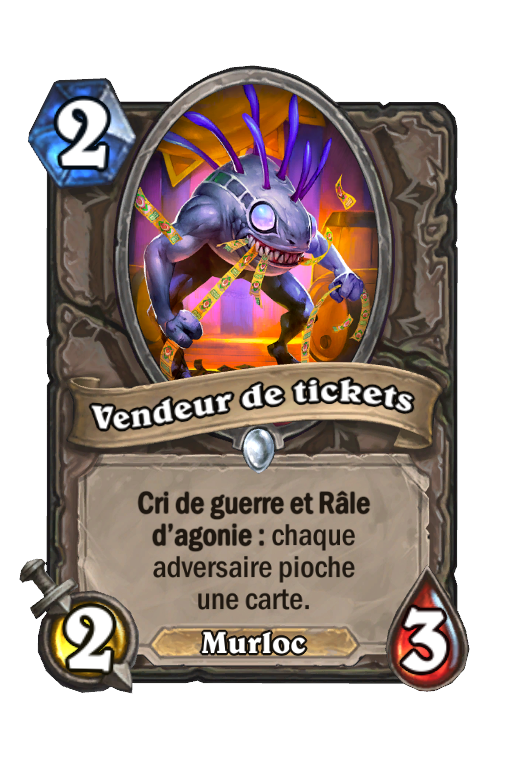
The Fatigue Mage's win condition is not to bring down the enemy's health, but to exhaust their draw pile. Each turn past the last deck-out inflicts cumulative damage on the opponent: 1, then 2, then 3, and so on. By playing two Ticket Scalper, two Coldlight Oracle, two Netherwind Oracle, and one Alabaster Keymaster, you can make the opponent draw up to 10 extra cards as early as turn 8, especially against a control deck holding 5-7 cards in hand.
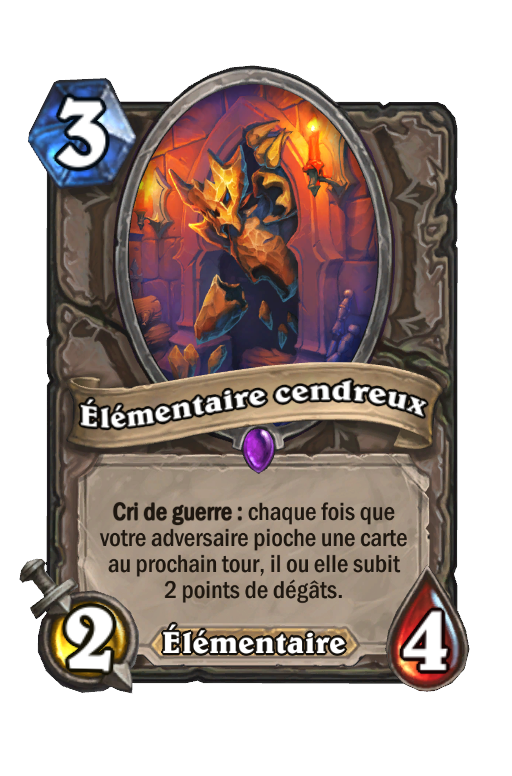
The second weapon, more subtle, is Cinder Elemental: each opponent draw on the following turn deals 2 damage. Combined with Ticket Scalper, it opens up turns where the opponent takes 6 to 8 "free" damage simply by playing normally.
The key mechanics to master
- Freeze: every frost spell gains tempo and fuels the synergies of Coldsoul and Icewalker. The hero power combined with Icewalker lets you freeze a minion for a single mana.
- Mill: making the opponent draw past their 10th card destroys what they draw. A Thief Rogue that stacks their hand is especially vulnerable.
- Secret: Ice Barrier grants 8 armor when attacked in the face — essential against burst decks.
- Discover: Skeleton Key, Runic Orb, and Chatty Bookworm generate cards from outside the deck, which sidesteps our own fatigue.
- Drawing extra cards for yourself: avoid this! Except for a targeted Arcane Intellect before the Alabaster Keymaster turn, you want to keep your own deck as long as possible.
The 30-card decklist (patch 36.0, frFR verified)
All the cards below are Standard-legal as of patch 36.0 and verified via api.hearthstonejson.com/v1/latest/frFR/cards.json. Average cost: 3.3 mana.
| Cost | Card | Type | Qty | Role |
|---|---|---|---|---|
| 0 | Zilliax Deluxe 3000 | Minion | 1 | Late-game stabilizer |
| 1 | Sindragosa's Breath | Spell | 2 | Freeze / ping |
| 1 | Ice Nova | Spell | 2 | Conditional removal |
| 1 | Skeleton Key | Spell | 1 | Flexible Discover |
| 2 | Ticket Vendor | Minion | 2 | Mill x2 (Battlecry + Deathrattle) |
| 2 | Frost Bolt | Spell | 2 | Freeze + 3 damage |
| 2 | Frostbite | Spell | 2 | Removal + Infuse |
| 3 | Arcane Intellect | Spell | 2 | Controlled cycle |
| 3 | Coldlight Oracle | Minion | 2 | Baseline mill |
| 3 | Netherspite Historian | Minion | 2 | Baseline mill |
| 3 | Cinderstorm Elemental | Minion | 2 | Punishes drawing |
| 3 | Ice Barrier | Spell (Secret) | 2 | +8 Armor |
| 5 | Grim Necropsy | Spell | 2 | AoE removal |
| 5 | Sleet Skater | Minion | 1 | Freeze + Armor |
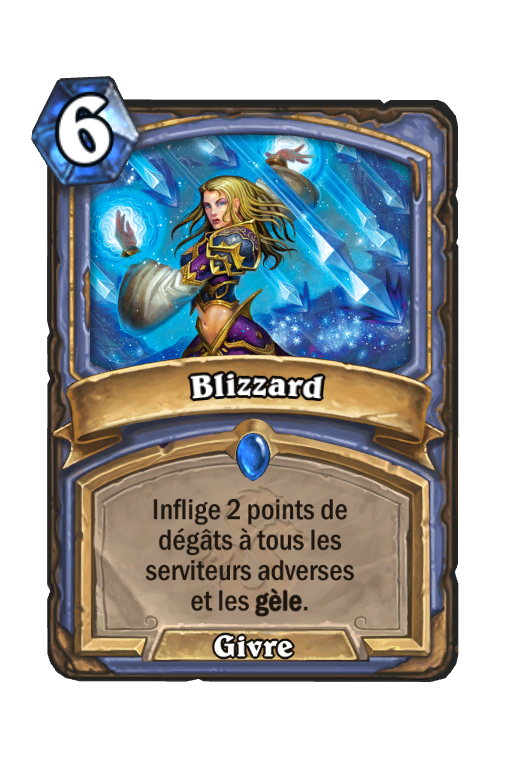
| 6 | Blizzard | Spell | 2 | Signature AoE freeze |
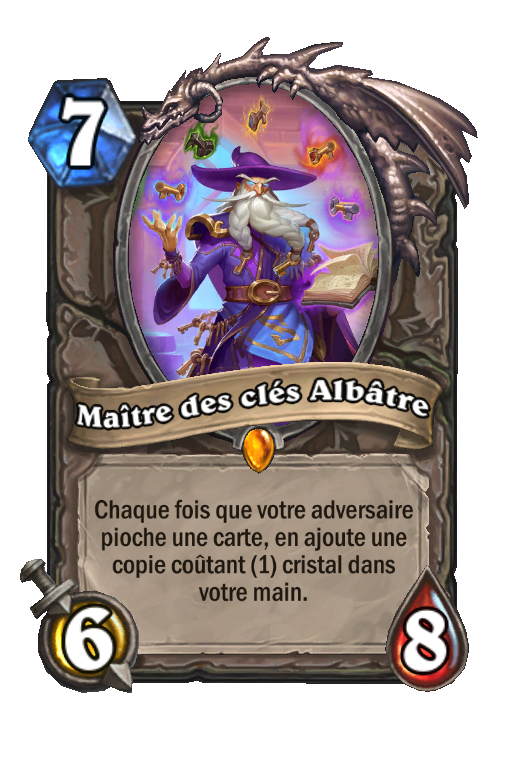
| 7 | Alabaster Keymaster | Minion | 1 | Copies every opponent draw |
| 7 | Deep Freeze | Spell | 1 | Freeze + 2 Water Elementals |
| 8 | Sindragosa | Minion | 1 | Finisher body |
Exactly thirty cards, four legendaries (Zilliax Deluxe 3000, Skeleton Key, Alabaster Keymaster, Sindragosa), no duplicates allowed. The build stays flexible: purists swap out Sleet Skater for a second Skeleton Key… which is impossible since it's legendary — in that case, go for Loot Hoarder instead.
The five key cards in pictures
General mulligan and mulligan by opponent class
The ideal mulligan rests on three pillars: a turn-1 ping tool (Sindragosa's Breath), a turn 2-3 removal (Frostbolt or Cone of Cold) and a controlled cycle (Arcane Intellect). You never keep Alabaster Keymaster in the opening hand — you first need to drain the enemy deck toward fatigue before it draws copies that cost 1.
- Vs aggressive classes (Tempo Hunter, Fel Rogue, Shudderwock Shaman): keep Sindragosa's Breath, Frostbolt, Ice Barrier, Cone of Cold. Throw away everything costing 5+.
- Vs control classes (Control Warrior, Priest, Blood Death Knight): keep Ticket Vendor, Coldlight Oracle, Arcane Intellect. You mulligan survival tools to go for the mill plan as early as turn 2.
- Vs combo (Ramp Druid, Quest Mage): keep Ice Barrier and an early removal.
Key matchups of patch 36.0
Vs Fel Rogue (favorable, ~60%)
Fel Rogue generates cards outside the deck (via Mimic Pod and the Rogue package), which dangerously fills its hand. Our plan: force mills when the opponent's hand is already full (8-9 cards) to burn Anub'Rekhan combos or stolen copies. Ticket Vendor played on turn 2 is a priority. Watch out for multiple Sap effects on your Ethereal Oracle — double-drop if possible to saturate the board.
Vs Hunter (unfavorable, ~45%)
This is the hardest matchup because Tempo Hunter (beasts or secrets) applies face pressure that Mage must stabilize without decking herself out. Prioritize Sindragosa's Breath, Frostbolt, Ice Barrier and Blizzard. The pivot card is Sleet Skater, which freezes and grants armor on turn 5. Against a Secret Hunter, Skeleton Key can draw Counterspell or Mystic Deflection.
Vs Control Warrior (very favorable, ~65%)
This is the natural matchup: Control Warrior stacks armor and plays slowly, filling its hand by turn 6-7. Every Coldlight Oracle pushes it closer to lethal fatigue, and Alabaster Keymaster turns its Reno, Lone Ranger or its Brann Bronzebeard into dead draws. Our Cinderstorm Elemental pre-Ticket Vendor on turn 5 punishes hard.
Vs Priest (favorable, ~58%)
Priest (Shadow Control or Divine) generates a lot of healing but very little direct damage. You can afford to lose 20 HP as long as you handle the big minions. Watch out for Fate Sealed, which stuffs our hand: play Ticket Vendor first to prevent Priest from keeping a full hand. The goal is to survive until turn 12-14, where fatigue deals 4-5 damage per turn and seals the game.
Five advanced tips to climb
- Don't draw if you have no threat: Arcane Intellect can wait until turn 6 if the hand is already at 6+ cards. Every card drawn "for nothing" brings your own fatigue closer.
- Count the enemy's cards: fatigue begins when the opponent's deck hits 0. Out of 30 starting cards, a control deck that has played 12 cards is already down to 18. Two Coldlight Oracle bring it down to 14: the game plan is visible as early as turn 5.
- Prioritize Ice Barrier against burst decks: gaining 8 armor from a single attack can be worth 3 turns of survival.
- Don't waste Skeleton Key on turn 1: keep it to find precisely the missing spell (for example Blizzard against a Hunter board, or Counterspell before a Quest Mage OTK).
- The hero power is a fatigue accelerator: every mana crystal spent on a 1-damage bolt is a crystal that doesn't fill your hand. Use it at the end of the turn once all useful targets have been played.
Advanced synergies and lines of play to remember
Certain interactions turn an average turn into a winning one. Learn these by heart:
- Ticket Vendor + Cinderstorm Elemental: played on turn 5 in this order, the duo makes the opponent draw two cards on the following turn and deals them 4 "free" damage — the equivalent of targeted burn for two mana crystals.
- Ice Walker + Frostweave Netherwing: on turn 5, freeze a minion with the hero power (thanks to Ice Walker already in play from turn 2) then play Frostweave Netherwing, which draws a card because an opponent is frozen. A near-unstoppable 3-mana defensive cycle.
- Blizzard + Cone of Cold: enemy minions frozen by Blizzard become easy 1-health targets to finish off with Cone of Cold for a second freeze.
- Skeleton Key on turn 1: reserve it for matchups where you need a precise answer (for example against a Quest Mage, looking for Counterspell). The 20% damage effect on rerolls is a calculated risk.
- Frostbolt (Infuse 3): after three casts, the card reappears in hand. So keep Frostbolt even when it seems "lost": it's an infinite cycle of 3 damage for 2 mana.
Possible variants depending on the local meta
Two flex slots are worth testing depending on the archetypes encountered:
- + 2 Ice Trap (3-mana secret that counters the opponent's next minion) against board-heavy metas, cutting a Frostbolt and Sleetskater.
- + 2 Runed Orb for a pure value plan, cutting the Cinderstorm Elemental if facing little control. Runed Orb generates two random spells outside the deck, extending your own survival.
- + 1 additional Frost Nova? Impossible in Standard, the current copy is enough to recreate a late defensive wall. Prefer Blizzard in double for the AoE.
- + 1 Shady Bartender on turn 1 against a Hunter-heavy meta: it offers a 1/3 body that trades against beast companions and sometimes triggers a defensive draw.
A bit of history: fatigue, a cult mechanic revisited
The fatigue strategy has existed since the earliest days of Hearthstone (2014), but it was long the domain of Control Warrior and Malygos Druid. The first competitive Mill Rogue dates back to 2015 with the release of Curse of Naxxramas. The Mage version came later thanks to the Cold Light Oracle + Ice Block tandem — the latter now rotated to Wild. The main difficulty has always been surviving long enough to make the plan pay off. With the return of the full freeze package in the Core set (patch 36.0) and the arrival of Skeleton Key, which gives on-demand access to powerful answers, Jaina Mage is reviving this tradition of a cerebral archetype. Some European Legend players, such as Chunni or Terenas, have recently posted videos in which the archetype racks up 15-0 streaks in Diamond 5-1, mostly thanks to the sluggishness of Control Warriors and Priests in the current meta.
Common mistakes to avoid
- Drowning yourself: playing two Arcane Intellect and one Incanter's Flow in the same game without necessity can trigger your own fatigue before the opponent's.
- Trading Cinderstorm Elemental: this minion should be left to die naturally rather than traded — its effect is active the following turn, as long as it's in play, but the real impact comes from the opponent's draw triggered by your own cards.
- Playing Alabaster Key Master too early: if the opponent hasn't started drawing heavily yet, you're handing them 1-cost copies that speed up their own pressure. Ideally play it on turn 8-9, right before a Ticket Vendor or a second Cold Light Oracle.
- Forgetting Sindragosa as a finisher: her Battlecry summons two 0/1 Frozen Champions. Combined with Ice Barrier, she regularly saves 8-10 HP.
Conclusion: a demanding but rewarding deck
Fatigue Mage from patch 36.0 is not the easiest deck to pilot — card counting is constant, every personal draw is a decision, and the mulligan varies significantly depending on the opponent's class. In return, it offers a unique experience: winning without ever hitting the opponent's face. Against the Control Warriors and Priests flooding the ladder, the winrate stabilizes between 55 and 60% at Legend according to data from metastats.net and Out of Games. If you're looking for a technically rich deck for your end-of-season climb on Fall of Fort Purpure, Jaina Mage and its mill plan deserve your arcane dust.
Share this article
Do you think Fatigue Mage can really climb to Legend rank, or is it a one-trick deck that falls apart against tight in-game decisions?
Frequently asked questions
Why is Fatigue Mage back in tier 1 in patch 36.0?
Frostbolt Oracle and Cinderstorm Elemental, reintroduced into the Core Set, offer a low-cost mill plan. Added to that is Skeleton Key, a new legendary that lets you discover any answer (Counterspell, Frost Nova) without decking yourself out. Finally, the full freeze package (Blizzard, Cone of Cold, Bitter End) stabilizes the board while you assemble the fatigue plan.
How exactly does the Ticket-Seller + Cinderstorm Elemental loop work?
Ticket-Seller triggers its effect (Battlecry: makes the opponent draw) and then dies (Deathrattle: makes the opponent draw again). Before your next turn, Cinderstorm Elemental deals 2 damage for each card drawn. Result: the opponent draws twice, takes 4 damage without costing you tempo, and it repeats every turn as long as you keep the Elementals alive.
What's the toughest matchup and how should you play it?
Tempo Hunter (~45% favored). The problem: it applies extreme face pressure while you're decking yourself out trying to stabilize. Prioritize Sindragosa's Breath, Frostbolt, Ice Barrier, and Blizzard. Icicle Skater on turn 5 freezes and gains armor. Against secrets, Skeleton Key can discover Counterspell or Spellbender to punish it.
Should you really keep Keymaster Alabaster in your opening hand?
No, absolutely not. This legendary only has impact once the opponent is already drawing from a near-empty deck or being forced to draw by your effects. Mulliganing it away and retrieving it via Arcane Intellect around turn 6-8 is the standard strategy. Keeping it in hand costs tempo and delays your mill plan.
Against Priest, why play Ticket-Seller before the enemy hand fills up?
Because Fated Fortunes (a Priest spell) forces you to swap cards from your hand with cards from theirs. If their hand is already full, the swap burns their best cards. Playing Ticket-Seller first forces the Priest to choose: let themselves draw (and get closer to fatigue) or keep a small hand to avoid Fated Fortunes.
Key takeaways
- Forcing the opponent to draw past their 10th card deals exponential cumulative damage: the true win condition of Fatigue Mage.
- Ticket-Seller and Cinderstorm Elemental create a loop where each opponent draw deals 2 to 6 free damage without requiring any action.
- Keymaster Alabaster recycles every opponent draw into a copy, turning control decks' Reno or Brann into dead losses.
- The mulligan differs drastically: against aggro, look for freeze and armor; against control, aim to have Ticket-Seller by turn 2.
- Theft Rogue (~60% favored) and Control Warrior (~65% favored) are the best matchups; Tempo Hunter (~45%) remains the main obstacle.
Comments
No comments yet. Be the first to react!
Leave a comment
Similar guides




Latest articles








Your opinion counts
Rate Hearthstone
Click a star to rate