

 Fabian Lainé
Class
Hearthstone: Guide to the 11 Classes - How to Choose Your Hero in 2026
In brief
Hearthstone features eleven distinct classes in 2026, each with its own hero, hero power, and playstyle. This guide breaks down the mechanical identity of each class, from the armored Warrior to the buff-focused Paladin, including the calculating Rogue and the ramping Druid, with deck recommendations to help you get started with each one.
Twelve years after its launch, Hearthstone remains one of the most played digital card games in the world. Blizzard Entertainment's title now offers eleven distinct classes, each embodied by a charismatic hero and equipped with a unique hero power. Choosing a class is the first defining decision for a new player: it shapes the playstyle, the learning curve, and above all, the enjoyment felt during ranked matches or in Standard mode.
Whether you've just installed the game or are looking to diversify your collection, this guide reviews the eleven heroes available in 2026, their signature mechanics, and a symbolic starter card for each. You'll also find a difficulty rating and a recommended deck archetype for your first games.
"Hearthstone's strength lies in the strong identity of its classes: each hero offers a narrative and mechanical experience unlike anything else in the genre."
1. Warrior — Garrosh Hellscream
Hero power: Armor Up! — Gain 2 Armor for 2 mana.
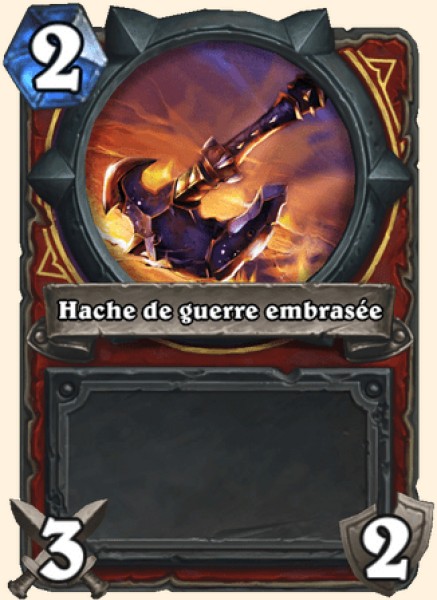
Orc warlord Garrosh Hellscream is the archetype of the relentless fighter. His class relies on weapons wielded directly by the hero and on near-infinite armor stacking, allowing for long games in which the opponent is worn down. The Fiery War Axe, a 3/2 weapon for 2 mana, sums up the Warrior's identity on its own: early board management and physical pressure.
Beginner difficulty: Medium. Control decks require knowing when to trade and when to push.
Recommended starter deck: Control Warrior, a defensive archetype based on wearing down the opponent through fatigue.
2. Mage — Jaina Proudmoore
Hero power: Fireblast — Deal 1 damage for 2 mana.
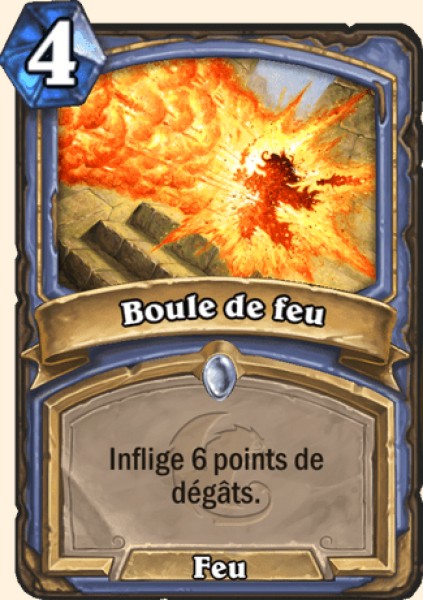
It's hard to get more iconic than Jaina Proudmoore, Archmage of Theramore. The Mage draws her strength from a versatile spell arsenal: freeze effects, direct damage, board control, and card draw. Fireball, a 4-mana spell dealing 6 damage, embodies the class's raw power and often makes the difference in the closing turns of a control matchup.
Beginner difficulty: Easy. Versatile spells forgive positioning mistakes.
Recommended starter deck: Spell Mage, focused on burst damage and card draw.
3. Priest — Anduin Wrynn
Hero power: Lesser Heal — Restore 2 Health for 2 mana.
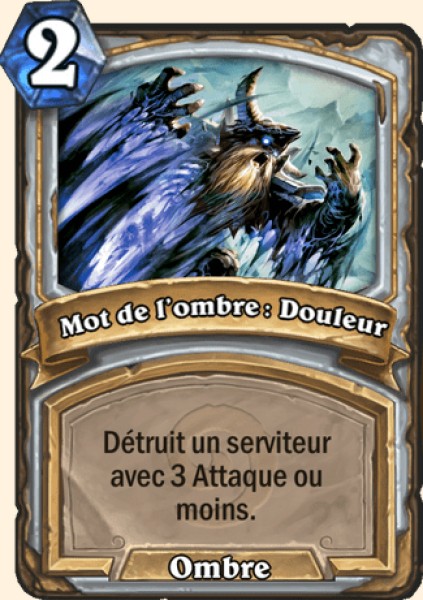
Young King of Stormwind, Anduin Wrynn perfectly illustrates the duality of the Priest class: redemptive light by day, shadow magic by night. His decks revolve around healing his minions and targeted removal such as Shadow Word: Pain, which destroys any minion with 3 Attack or less for a single mana. The Priest also excels at stealing opposing cards, a highly rewarding mechanic at high level play.
Beginner difficulty: Hard. Plenty of positioning decisions and damage calculations.
Recommended starter deck: Control Priest, patient and methodical.
4. Rogue — Valeera Sanguinar
Hero power: Dagger Mastery — Equip a 1/2 dagger for 2 mana.
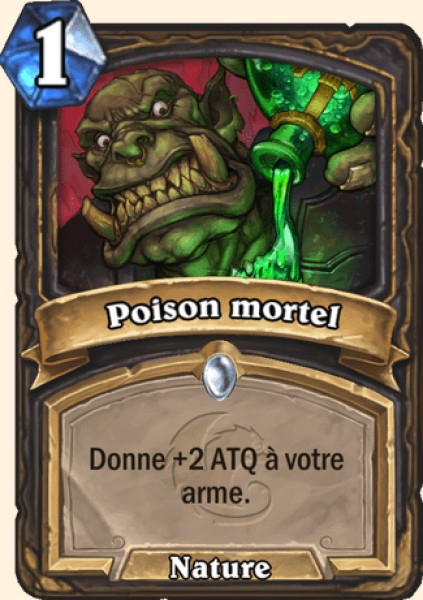
An enigmatic blood elf, Valeera Sanguinar embodies cold calculation and pinpoint timing. The class revolves around the Combo keyword, which triggers bonuses when you've played another card earlier in the same turn. The card Deadly Poison, which adds 2 damage to your equipped weapon, turns the hero dagger into a surgical tool. It's also the favorite class of players who love explosive combos in the style of the one-turn-kill.
Beginner difficulty: Hard. Combos require planning across several turns.
Recommended starter deck: Tempo Rogue, aggressive and opportunistic.
« The Rogue never triumphs through brute force but through a succession of calculated aggressions. Every card counts, every mana must be optimized. »
5. Shaman — Thrall
Hero power: Totemic Call — Summon a random totem from among four for 2 mana.
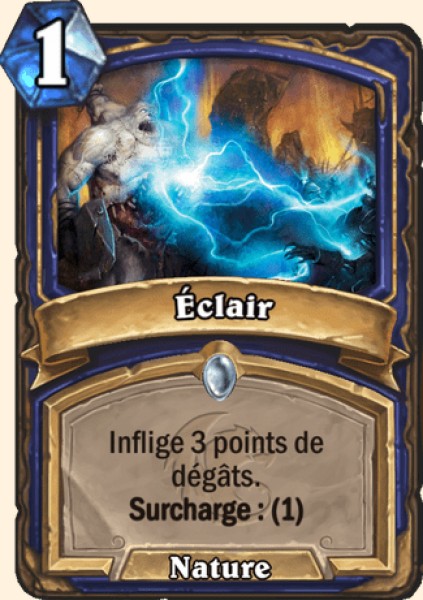
Legendary Warchief of the Horde, Thrall leads a versatile class built around totems and the Overload mechanic. Overload allows powerful cards for their cost, in exchange for a mana crystal locked on the following turn. The card Lightning Bolt illustrates this trade-off: 3 damage for 1 mana, but 1 locked crystal. An exciting class, but one that requires fine resource management.
Beginner difficulty: Medium. You need to anticipate Overload turns.
Recommended starter deck: Totem Shaman, dense with mid-game synergies.
6. Hunter — Rexxar
Hero power: Steady Shot — Deal 2 damage to the enemy hero for 2 mana.
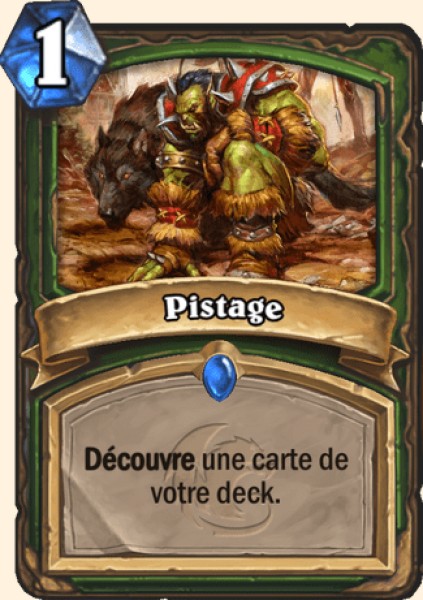
A solitary ranger with a loyal feline companion, Rexxar embodies pure aggression. His hero power, which only hits the enemy hero, naturally steers the class toward relentless pressure. Hunter decks exploit synergies with Beasts and enjoy privileged access to card draw through spells like Tracking, which lets you pick one of the top three cards of your deck.
Beginner difficulty: Easy. The strategy is clear: reduce the opponent's health as quickly as possible.
Recommended starter deck: Beast Aggro Hunter, ideal for understanding the value of tempo.
7. Druid — Malfurion Stormrage
Hero power: Shapeshift — Gain +1 Attack this turn and 1 Armor for 2 mana.
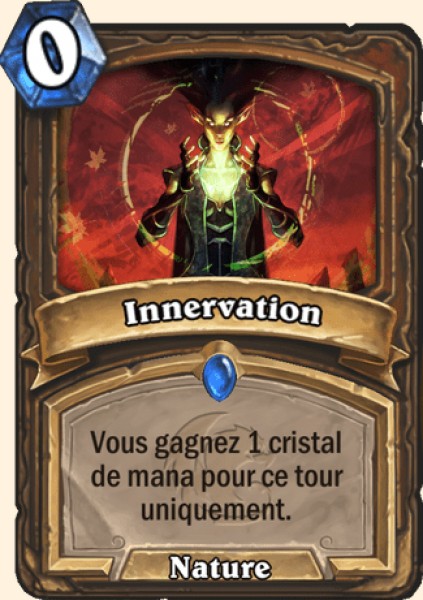
Father of the Cycle and keeper of balance, Malfurion Stormrage offers the most creative mechanic in the game: Choose One, which allows you to select one of two effects on certain cards. The Druid also relies on mana acceleration through spells like Innervate, which grants a temporary mana crystal for zero cost. This ramp allows for massive minions several turns earlier than expected.
Beginner difficulty: Medium. Choose One cards multiply the decisions per turn.
Recommended starter deck: Ramp Druid, to drop huge threats quickly.
8. Paladin — Uther the Lightbringer
Hero Power: Reinforce — Summon a 1/1 Silver Hand Recruit for 2 mana.
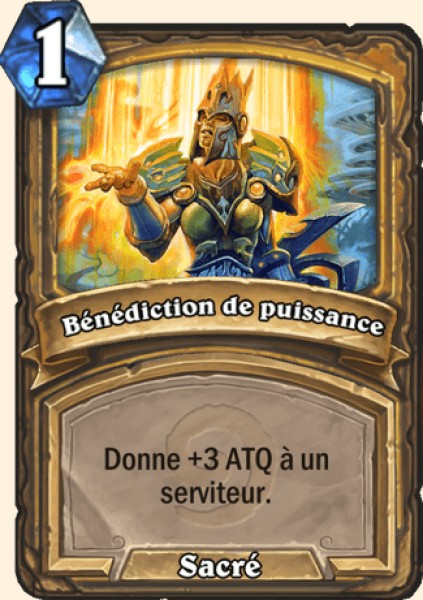
First knight of the Silver Hand, Uther the Lightbringer represents militant light. The Paladin is the class of buffs: strengthening a minion, summoning tokens and then oversizing them with spells like Blessing of Might (+3 attack for 1 mana). The hero power guarantees a board presence every turn, a valuable foundation for any new player.
Beginner difficulty: Easy. The game plan is clear: fill the board, buff, strike.
Recommended starter deck: Recruit Paladin, a highly instructive token archetype.
9. Warlock — Gul'dan
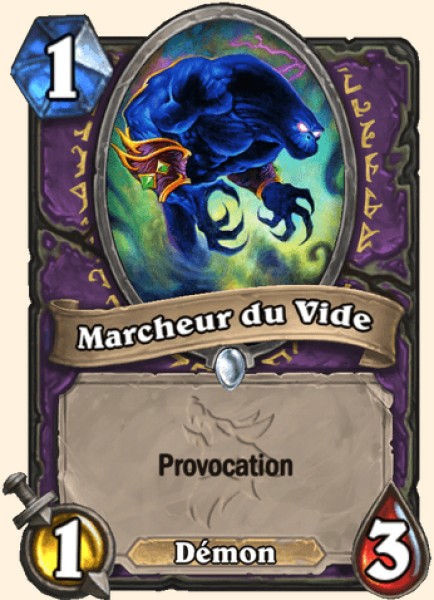
Hero Power: Life Tap — Lose 2 health and draw a card for 2 mana.
A renegade shaman corrupted by fel magic, Gul'dan embodies willing sacrifice. The Warlock trades a precious resource — their health — for continuous card draw, guaranteeing an unmatched flow of cards. Their decks revolve around Demons, starting with the iconic 1-mana Voidwalker with Taunt, the ideal taunt to protect an endangered hero.
Beginner difficulty: Medium. You need to learn how to manage a shrinking health pool.
Recommended starter deck: Zoo Warlock, dense with small minions and controlled discard.
"The Warlock will teach you the notion of resource faster than any other class: every point of health is fuel."
10. Demon Hunter — Illidan Stormrage
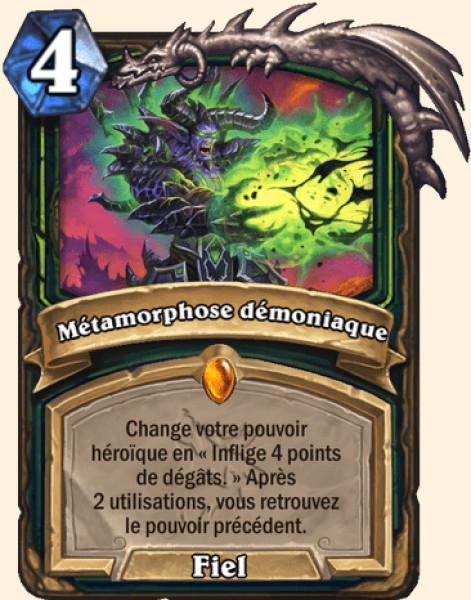
Hero Power: Demon Claws — Gain +1 Attack this turn for 1 mana.
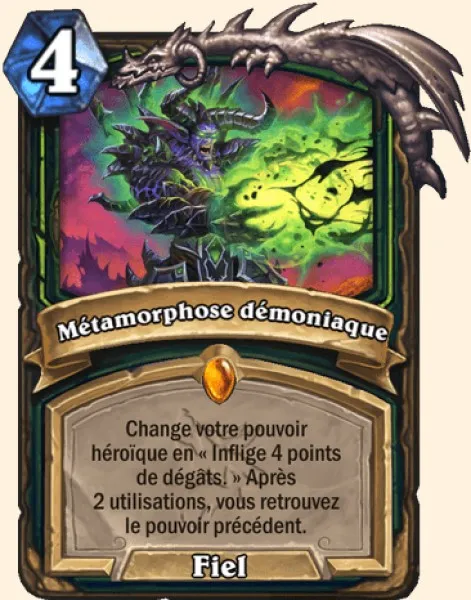
Added to the game in April 2020 with the Ashes of Outland expansion, the Demon Hunter, embodied by Illidan Stormrage, shook up the meta thanks to a hero power costing only 1 mana. The class relies on the hero's own aggression, backed by Demons and blades. The legendary Metamorphosis perfectly illustrates the class's identity: two waves of 5 damage to distribute during the game, temporarily replacing the hero power.
Beginner difficulty: Easy. The aggression is intuitive and rewarding from the very first games.
Recommended starter deck: Aggro Demon Hunter, formidable on low-rank ladder.
11. Death Knight — Blood, Frost, and Unholy Runes
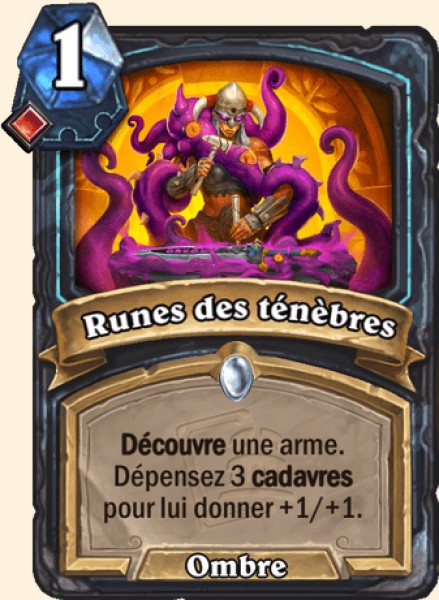
Hero Power: Ghoul Charge — Summon a 1/1 Ghoul with Charge, discarded at the end of the turn, for 2 mana.
A newcomer introduced with March of the Lich King in December 2022, the Death Knight class revolutionizes deckbuilding thanks to its three runes to assemble before the match: Blood (red, control and lifesteal), Frost (blue, spells and freeze), Unholy (green, Undead and sacrifice). You choose three runes in total, either pure specialization (three Blood runes, for example) or a mix (two Frost, one Unholy). The card Runes des ténèbres sums up the class's corrupted aesthetic.
Beginner difficulty: Hard. The rune combination system complicates access but offers unmatched depth.
Recommended starter deck: Unholy Aggro Death Knight, the most accessible entry point.
So, which class should you choose to get started in 2026?
If you're looking for mechanical simplicity and a clear game plan, turn to Hunter, Paladin, or Demon Hunter. For a versatile and slightly more strategic experience, Mage remains a historic choice that's hard to beat. Finally, if you want maximum depth from day one, the three-rune build of the Death Knight will give you dozens of hours of experimentation.
Once you've picked your favorite hero, continue reading with our other Hearthstone guides on playnews.gg: our analysis of the best Standard decks for 2026, our overview of the Battlegrounds mode, and our comparison of Arena vs. Dungeon Run. Have a great game, and may the Light — or the Shadow — be with you.
Share this article
If you were starting Hearthstone today, which type of class would appeal to you most?
Frequently asked questions
What's the easiest class for a beginner?
Mage and Hunter are the most accessible. Mage forgives positioning mistakes thanks to the versatility of its spells, while Hunter follows a simple logic: attack the opponent's hero head-on. Avoid Priest and Rogue at first.
If I want to play aggressively, which class should I pick?
Hunter is the obvious choice: its hero power targets the opponent's hero directly, and its Aggro Beast decks aim for quick wins. Rogue also offers aggression through explosive combos, but requires more mastery.
Which class is the most strategically complex?
Priest and Rogue compete for the title of hardest class. Priest requires navigating its light/shadow duality and precise damage calculations. Rogue demands multi-turn planning to chain combos together. Druid, with its Choose One cards, also complicates every decision.
Is there a class that plays really differently from the others?
Druid stands out with its unique Choose One mechanic, offering two options on every relevant card. This mechanical flexibility sets it apart and makes it very rewarding once mastered, but it's also demanding in terms of decision time.
How many classes should I learn before playing ranked?
Start with just one and master it before trying others. Two to three different decks are enough to understand the meta. Jumping from one class to another without solid fundamentals slows down your progress.
Key takeaways
- Each class has a strong mechanical identity: Warrior with armor, Mage with versatile spells, Rogue with combos.
- Your choice of hero determines your playstyle, learning curve, and enjoyment in ranked matches.
- Classes vary greatly in difficulty: Mage and Hunter are easy for beginners, while Priest and Rogue are demanding to master.
- Each class has a signature card that sums up its identity: Fireball for Mage, Deadly Poison for Rogue, Innervate for Druid.
- The recommended starter decks offer a learning ramp suited to each class rather than immediate ranked performance.
Comments
No comments yet. Be the first to react!
Leave a comment
Similar guides
Latest articles





Your opinion counts
Rate Hearthstone
Click a star to rate