

 Fabian Lainé
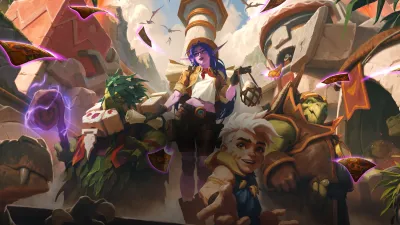

Tier List
Hearthstone: Fort Fizzle Heist 2026 Meta Tier List
In brief
Fort Pourpre completely reshuffles the Hearthstone meta with three major new mechanics and devastating Outlaw legendaries. After a week of ladder play, four archetypes clearly dominate: Nickel-and-Dime Rogue with its devastating OTK combo, Swindle Shaman which maintains relentless board pressure, Dragon Warrior which locks down aggressors, and Chief Druid ramp which stays ultra-stable.
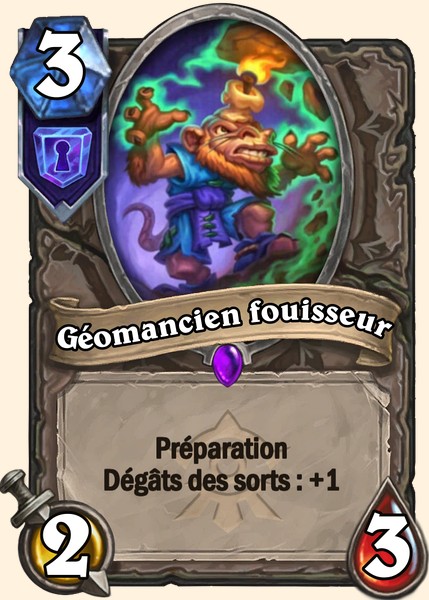
Fort Fizzle reopened its doors on July 7, 2026, and, as promised, its tenants wasted no time. Six days after patch 34.6 went live, the second expansion of the Year of the Beetle is already reshuffling the Standard deck. The 135 new minions, spells, and locations introduce three brand-new mechanics - Preparation, disguised minions, and Bribe - that shake up ten-year-old reflexes. Each class also gets a bonus Outlaw legendary capable of drawing, summoning, or attacking in ways that until now broke the game's fundamental rules.
A single week of ladder is obviously not enough to set the meta in stone: lists are evolving hour by hour, and the traditional end-of-first-week nerfs haven't dropped yet. This tier list draws on the earliest reports from the top 500 Legend, compilations from Hearthstone Decks Report #378, and the emerging archetypes identified by the French-speaking community. The win rates cited remain indicative: consider them a snapshot of week 1-2, to be reassessed after the first balance patch.
Tier S: the kings of the ladder
Four archetypes clearly stand out at the top. They share one trait: they exploit at least two of the three new mechanics very well and have a robust game plan starting from the mulligan.
Two-Bit Rogue
Class: Rogue - Style: combo/tempo - Skill floor: high
The deck that grabbed #3 Legend with a 24-10 score in the very first week. The idea: Aya, Lotus Brainstormer replaces your basic Coins with upgraded counterfeits, then Cash Out replays every card from the turn aimed at the opponent. Add the Preparation mechanic to smooth out the mana curve and you get a potential burst of 20-30 points in a single turn.
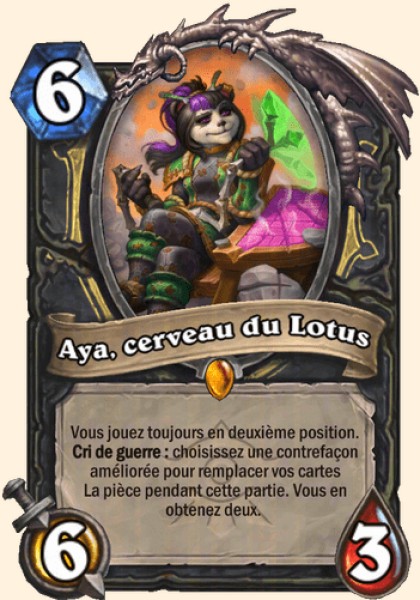
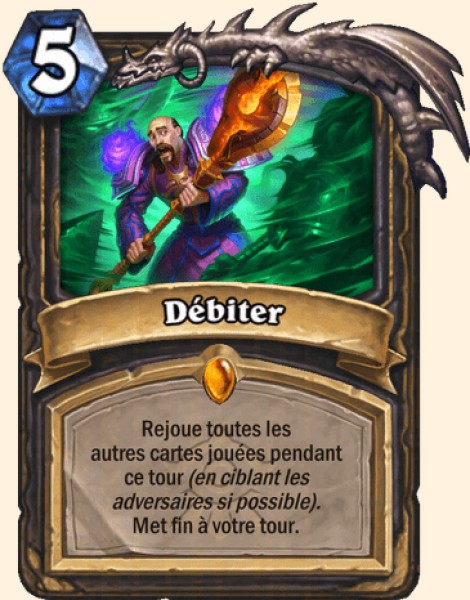
Two-Bit Rogue demands a perfect read on the mulligan and the combo sequence. It's the strongest deck in the meta but also the most punishing if you whiff your OTK window.
Mug Shaman
Class: Shaman - Style: midrange tempo - Skill floor: medium
Mug Shaman landed #4 Legend (28-12) thanks to the combination of Little Sis + Low-Security Wing. The former gives you a weapon whose elemental ammo changes after every attack; the latter generates a free Shaman minion turn after turn. The deck maintains constant board pressure while stacking up burst spells.
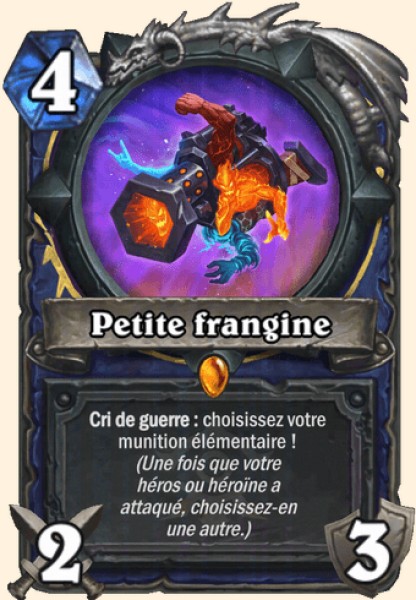
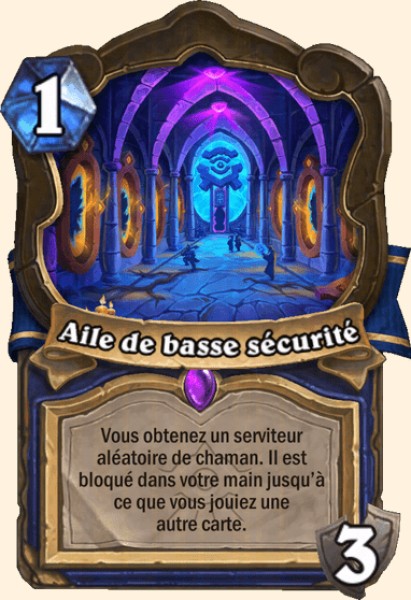
Dragon Warrior
Class: Warrior - Style: control/midrange - Skill floor: medium
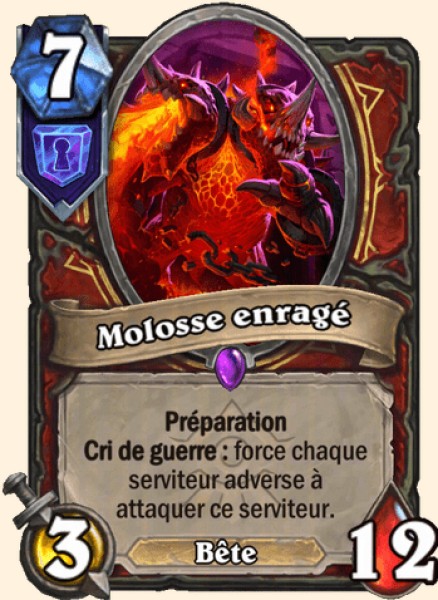
Old-school, but fearsome: Dragon Warrior recycles its pre-expansion base and grafts on Rabid Mastiff, a 7-mana 3/12 with Preparation that forces every enemy minion to attack into it. An almost perfect anti-aggro tool, especially against the Face Hunter and Two-Bit Rogue mentioned above.
Chief Druid
Class: Druid - Style: midrange ramp - Skill floor: low
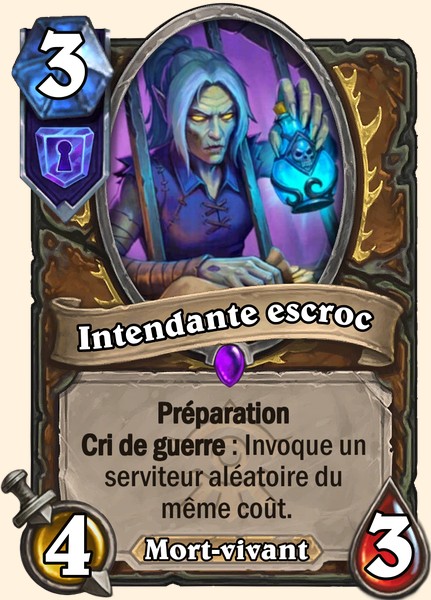
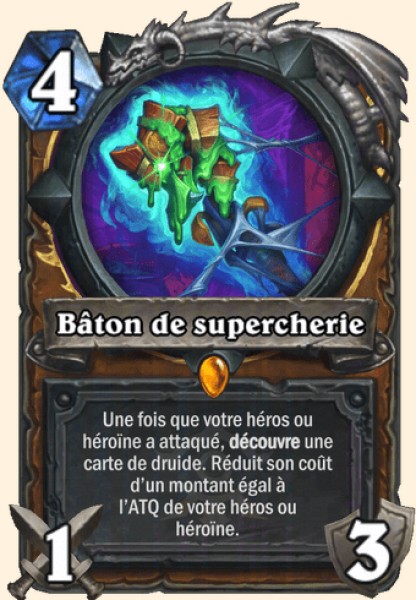
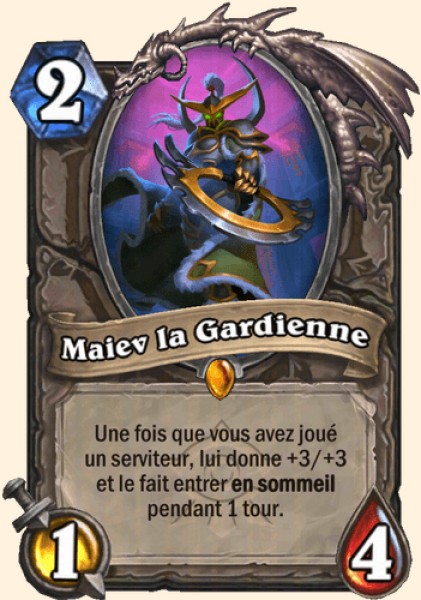
Chief Druid reuses the classic ramp skeleton and adds Rogue Steward (a Preparation card that summons a random minion costing as much as the mana you've spent) and Staff of Trickery, the legendary weapon that discovers a Druid card and reduces its cost based on your hero's Attack. It's simple to pilot, forgiving of mistakes, and remarkably stable.
Tier A: solid but nuanced
These decks are competitive and profitable on ladder, but suffer from one or more unfavorable matchups against Tier S.
Quest Mage
Style: combo - Skill floor: very high.
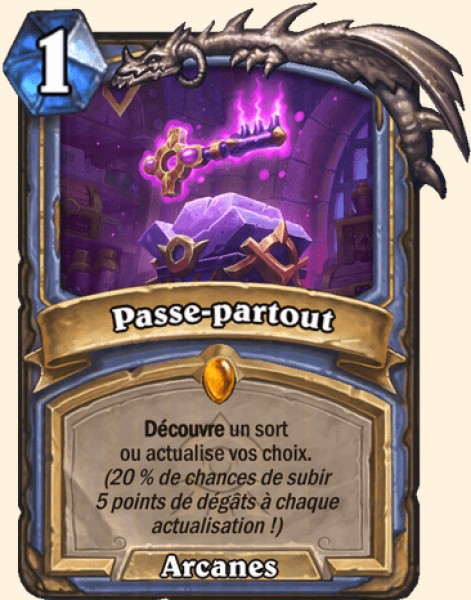
The return of Mage Quest, boosted by Skeleton Key, a 1-cost card that discovers a spell and offers to reroll the choices (with a 20% chance of taking 5 damage on each reroll - a non-trivial cost). The archetype reached #10 Legend but remains very fragile against aggressive tempo.
Void Demon Hunter
Style: tempo/value - Skill floor: high.
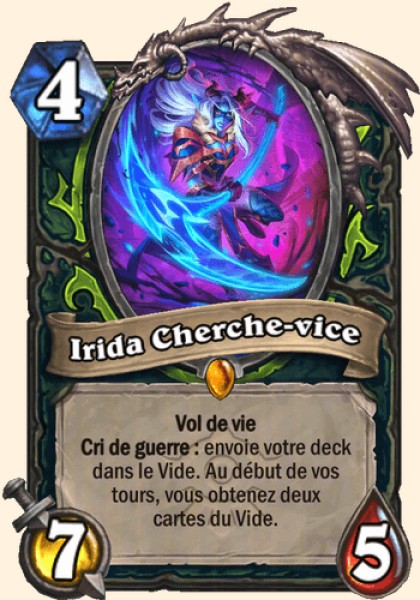
Irida Voidseeker sends your deck into the Void and gives you two Void cards at the start of every turn. A radical gamble that transforms the game's core resource. Promising but dependent on Irida's timing.
Face Hunter
Style: aggro - Skill floor: very low.
The classic: two turns, one dead opponent. Face Hunter struggles against Rabid Mastiff but remains lethal against slow decks that haven't yet found their final configuration.
Face Hunter is the best pick for grinding out a quick ladder session between two queues: short games, binary decisions, an unstoppable curve.
Tier B: emerging archetypes and niche decks
Fun decks, alternatives, or ones still being optimized. Playable but not yet fine-tuned.
Egg Warrior
Reuses the Egg mechanic from the previous block with a few Preparation boosts. Fragile against Mug Shaman but fun to pilot.
Undead Dragon Death Knight
Still powered by Victor Nefarius, who remains playable even as he enters his final year of rotation. Worth watching: the Bribe mechanics bring a few new options.
Preparation OTK Rogue (fun deck)
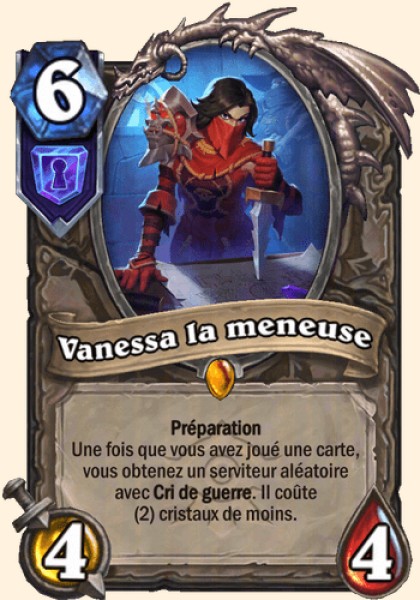
A degenerate variant of Two-Bit Rogue that seeks to assemble 40+ damage in a single turn via Cash Out + Vanessa VanCleef. Modest win rate, but very satisfying to execute.
Decks for beginners: Bronze-Silver-Gold League
If you're discovering Hearthstone or coming back after a break, forget the optimized lists worth 15,000 dust. The following three decks are affordable and forgive mistakes.
- Basic Chief Druid: the Tier S version can be built without an essential legendary. Replace Staff of Trickery with common rares and you keep 70% of the deck's power.
- Face Hunter: the curve has been public knowledge for ten years, the cards cost little dust, and you'll learn the fundamentals of lethal.
- Budget Elemental Shaman: Low-Security Wing is a free common obtained through the launch quests; pair it with a pre-expansion Elemental package for a smooth archetype.
The golden rule: play the same deck for 30 games in a row before switching. Win rate depends more on mulligan mastery than on archetype choice.
A meta to watch closely
Balance patches usually arrive ten to fifteen days after an expansion's release. Two-Bit Rogue and Mug Shaman are very likely in Blizzard's crosshairs: their combined win rate already dominates the first week's ladder statistics. Expect mana or stat adjustments to Aya, Lotus Brainstormer, Cash Out, and Little Sis. Historically, the window is almost always the same: week 1 the surprise, week 2 the optimized lists, week 3 the nerf, week 4 the stabilization. As long as you haven't reached Gold rank, don't worry too much about these swings: matchmaking at lower ranks remains much more forgiving than at Legend.
On the spectator side, the competitive calendar is also picking up pace. The first Masters Tour of the Fort Fizzle Heist era is set for July 25 in Amsterdam: it will serve as the first full-scale laboratory for the archetypes mentioned above. A good excuse to watch the world's best players test decks before blindly copying them from HSReplay. Follow the class-by-class matchup guides we'll be publishing every week to fine-tune your roadmap.
To go further, check out our other guides dedicated to the expansion: our overview of the Preparation, disguised minions, and Bribe mechanics, our rundown of the eleven Outlaw legendaries, and our recap of the 135 free cards granted at launch. New to Hearthstone? Our 2026 beginner's guide will help you through your first hours.
Happy heisting, and see you at Legend.
Share this article
Which deck are you going to craft first this week?
Frequently asked questions
Which deck should I pick if I'm a beginner without much dust?
Basic Chief Druid, budget Face Hunter or Elemental Shaman. The legendary-free version of Chief Druid keeps 70% of its power and stays Tier S. Face Hunter teaches the fundamentals of lethal with a curve that's been public knowledge for ten years. Top priority: play 30 games with the same deck before switching.
Why is Nickel-and-Dime Rogue so strong but also so difficult?
It requires a perfect mulligan read and a flawless combo sequence to assemble 20-30 damage OTK in a single turn with Aya and Debit. One timing mistake and you die. That's why it ranks #3 Legend but frustrates mid-rank players.
When exactly will the nerfs to Aya and Debit arrive?
Historically, Blizzard nerfs ten to fifteen days after an expansion. Expect it around week 3 (mid-July). Nickel-and-Dime Rogue and Swindle Shaman already dominate the stats, so they're clearly in the crosshairs. Below Gold rank, don't panic: low-rank matchmaking is much more forgiving.
Will Swindle Shaman survive the nerfs or is it going to sink?
Swindle Shaman is less dependent on a single combo than Nickel-and-Dime Rogue. Even nerfed, it will remain a viable midrange tempo deck. Little Sister and Safety Wing offer too much flexibility to disappear completely.
Is Dragon Warrior really anti-aggro or is it just a bluff?
It's genuine anti-aggro. Rabid Worgen at 3/12 with Preparation forces every enemy minion to crash into it. Against Face Hunter and Nickel-and-Dime Rogue in the early game, it locks things down almost perfectly. Against midrange, it struggles more.
Key takeaways
- Nickel-and-Dime Rogue is the strongest deck but also the most punishing: one botched sequence and you kill yourself outright.
- Preparation, disguised minions and Bribery radically change reflexes that players have relied on for ten years.
- In Bronze-Silver-Gold, play the same deck for 30 games in a row before switching: mastering the mulligan matters more than picking the perfect archetype.
- Blizzard nerfs will almost certainly target Aya and Debit within two weeks, so hold off before investing 15,000 dust.
- The Masters Tour on July 25th in Amsterdam will serve as the first real-world lab to validate (or break) this tier list.
Comments
No comments yet. Be the first to react!
Leave a comment
Similar guides


Latest articles







Your opinion counts
Rate Hearthstone
Click a star to rate