


 Fabian Lainé
Tier List
Best Hearthstone Decks 2026: Top Standard Meta Picks
In brief
July 2026 sees the Hearthstone Standard meta organized around five dominant archetypes, driven by the new "outlaw" legendaries from the Fort Pourpre Escape expansion. Verr'Minh Shaman and Aya Rogue rule the top spots with their unbeatable power-to-accessibility ratio, while Warrior, Hunter, and Priest round out the podium with radically different strategies.
The Escape from Crimson Fort expansion has reshuffled the Standard meta since its release on July 7, 2026, and the 35.4 patch deployed shortly after quickly tamed the most toxic archetypes from the first week. After about ten days of tracking community site compilations and weekly Top 500 Legend reports, the hierarchy is settling around five dominant archetypes, powered by the new Prep, Disguise, and Bribe mechanics.
The expansion's flagship cards — the new "outlaw" legendaries that break a fundamental rule of the game — are taking center stage. There's a Shaman who gains a second hero power, a Rogue who trades away going first for three upgraded copies of The Coin, a giant Warrior who duplicates his own legendaries, and plenty of other controlled accidents. This guide reviews the five decks worth prioritizing to climb the ranked ladder in July 2026, with a game plan, mulligan keeps, key matchups, and an estimated dust cost for each.
Before diving into the details, here's a reminder of the overall trends noted in the compilations from hearthstone-decks.net (Weekly Report #377): Verr'Minh Shaman and Aya Rogue are dominating the top of the Legend ladder, combining for more than twenty Top 500 finishes since launch. Warlock Whacker Warrior, Face Hunter, and Karov Priest round out the top four, while Egg Death Knight remains a credible choice for players used to combo decks.
1. Verr'Minh Shaman — Tier S
This is the flagship deck of the expansion and probably the best simplicity-to-power ratio in the meta. Verr'Minh (Mug'Zee in the original) is a 6/7 Shaman minion for 6 mana whose Start of Game effect reads: "If your deck has no other minions, get Verr's Hero Power. If it has no spells, get Minh's!" In other words, by building a deck that's 100% spells or 100% minions, you start every game with a spare hero power that unlocks a passive source of value throughout the match.
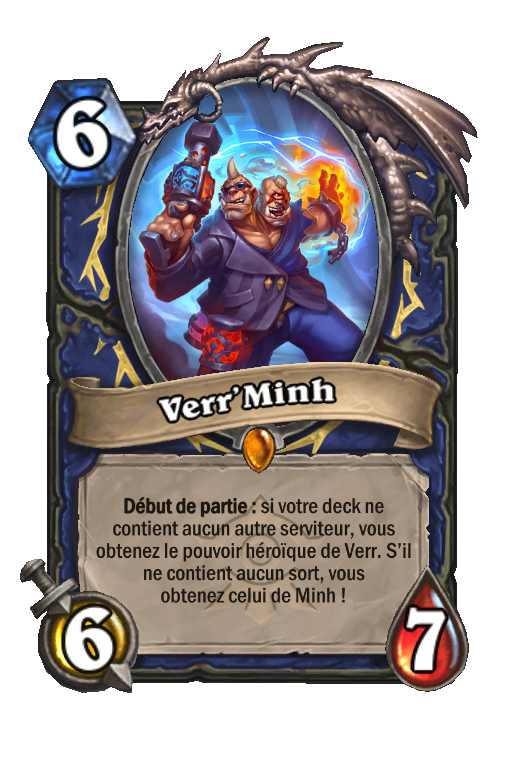
The dominant version in Top Legend is the Spell Verr'Minh, which runs no minions besides its titular legendary (automatically summoned at the start of the game). Minh's hero power generates a random minion every other turn, while big control spells — Frostwave, Stormfury — clear the opponent's board.
Game Plan
- Turns 1–3: play Lowlight Wing to generate a Shaman minion "stuck in hand" that becomes playable as soon as you cast another spell. Follow up with Molten Gold and keep your hand full.
- Turns 4–6: play Frostwave to freeze a threat and draw two cards, then stabilize with Stormfury (lifesteal, 2 damage to each enemy minion).
- Turns 7+: Verr'Minh drops automatically (via its Start of Game effect), granting access to the bonus hero power that swings long games in your favor.
Mulligan
- Always keep: Lowlight Wing, Molten Gold, Undercover Investigator.
- Keep against aggro: Frostwave (with an early curve in hand).
- Mulligan away: heavy top-end cards like Stormfury in most matchups.
The strength of Spell Verr'Minh lies in its bonus hero power: a continuous stream of free threats that makes the deck almost impossible to grind out of resources.
Matchups
- Favorable: Face Hunter, Dragon Warrior.
- Even: Karov Priest, Aya Rogue.
- Unfavorable: Godfrey Warlock (the legendary copies of Annihilation punish the deck's slowness).
Estimated cost: around 13,200 dust, including two legendaries (Verr'Minh and Little Sister) and several epics (Stormfury, Lowlight Wing).
2. Lotus Aya Rogue — Tier S
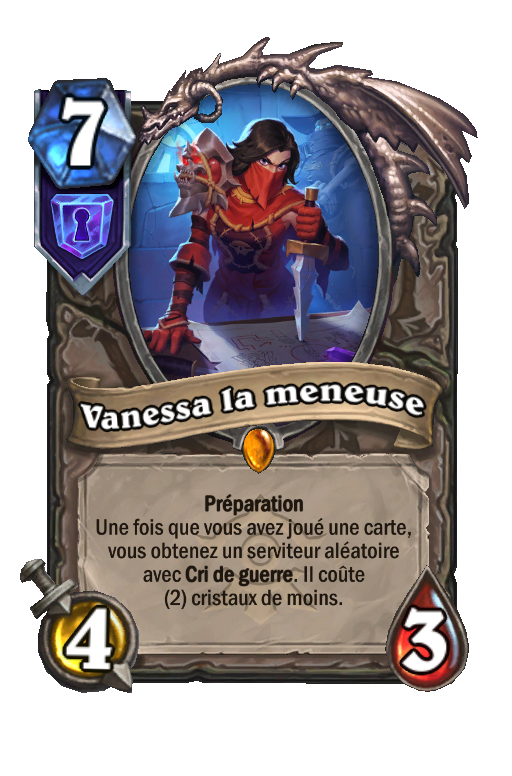
Aya, Lotus Mastermind imposes a radical deckbuilding constraint: "You will always go second. Battlecry: Choose an upgraded Fake Coin to replace your Coins for this game. You get two." In practice, you give up the coin flip in exchange for three upgraded copies of The Coin, which become the deck's mana and tempo engine.
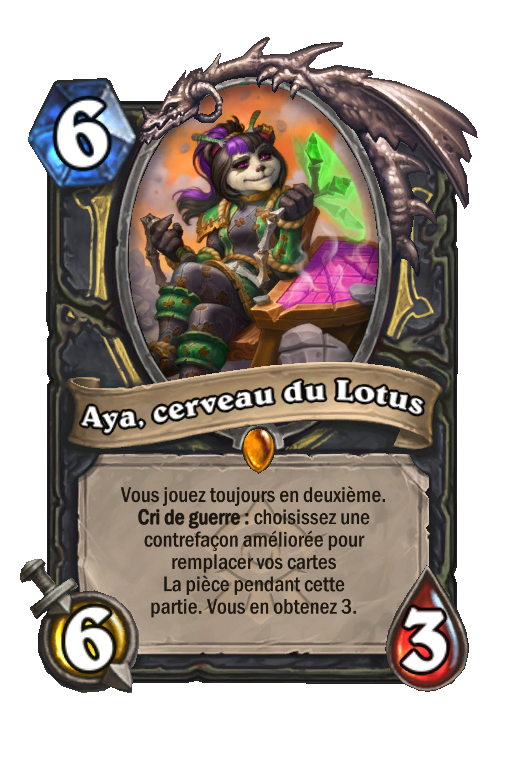
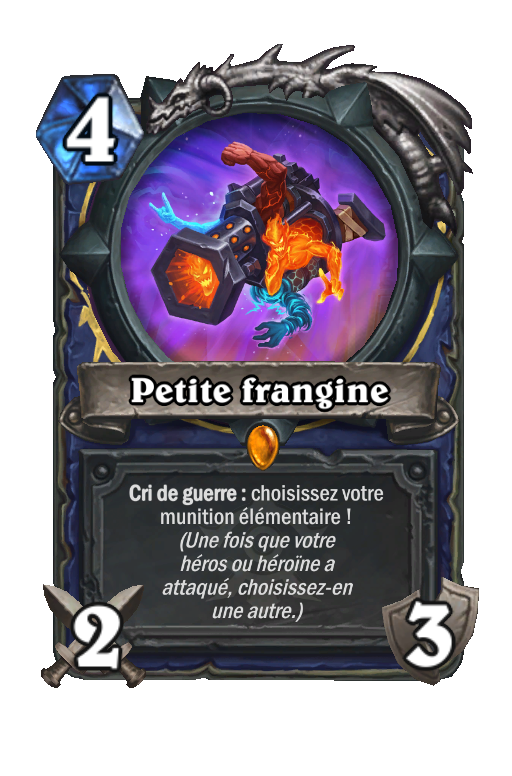
The choice is made when Aya is played, between three fake coins: Fake Jade Coin (summons a Jade Golem), Fake Dirty Coin (draws a card), and Fake Kabal Coin (Discovers a spell). Current lists favor the Jade variant, which scales up over the course of the game and converts every bit of tempo gained into vertical threat.
Game Plan
- Turns 1–3: play Lockpick (a 1/1 whose stats equal your remaining mana), Lotus Illusionist, and Lotus Agitator to develop your board cheaply.
- Turn 6: play Aya to lock in your fake coins.
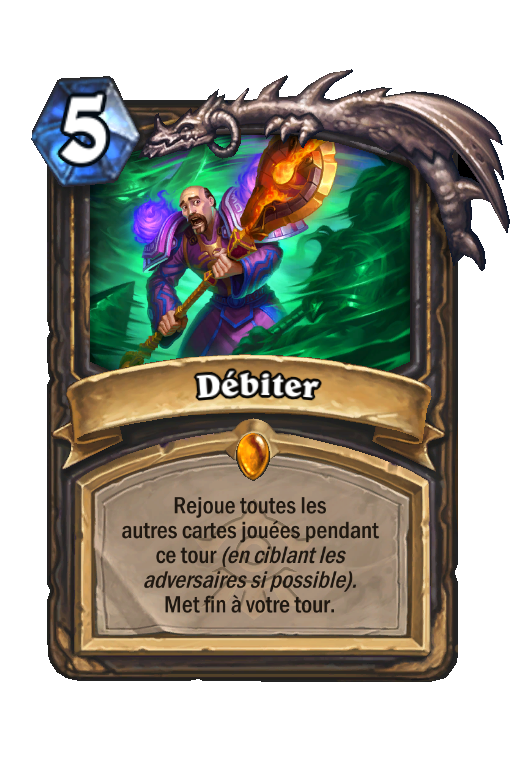
- Turns 7+: chain into Debit to replay every card from that turn, aiming at the opponent as soon as possible. A single combo can end the game.
Mulligan
- Cards to keep: Lockpick, Lotus Illusionist, Tools of the Trade, and Aya herself against slow decks.
- Mulligan away: Debit and Blackpaw Whip before turn 4.
Matchups
- Favorable: Karov Priest (Jade Golems outscale its healing cap), Egg Death Knight.
- Even: Verr'Minh Shaman.
- Unfavorable: Whacker Warrior (Taunt + legendary duplication).
Estimated cost: around 12,800 dust. The core requires Aya, Debit, and two epics (Defias Apprentice, Jade Guardians).
3. "Whacker" Dragon Warrior — Tier A
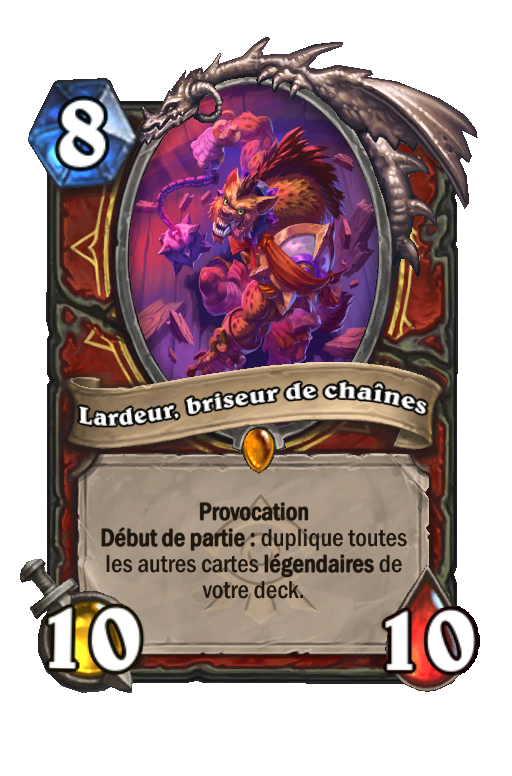
Warrior, powered by its new outlaw Whacker, Chain Breaker (Taunt, 8 mana 10/10), pulls off brutal tempo swings. Its Start of Game effect duplicates every other legendary in the deck, doubling your chances of drawing key payoffs like Dimensional Salamander or the neutral dragons.
Game Plan
- Turns 1–4: play Ball and Chain, Rioter, and Disguised Warden to hold the board.
- Turns 5–7: bring out your curve dragons (prepped via the Prep mechanic) and trigger Rabid Mastiff (7 mana 3/12) to force every enemy minion to attack it.
- Turn 8+: Whacker closes out the game with a nearly unremovable 10/10 Taunt threat, short of a heavy combo.
Mulligan
Keep the low curve: Ball and Chain, Crowd Control, Makeshift Armor. Against aggro decks, also hold on to Stubborn Defender (4 mana 2/7).
Matchups
- Favorable: Aya Rogue, Face Hunter (Taunt + healing).
- Even: Karov Priest.
- Unfavorable: Verr'Minh Shaman (Frostwave freezes your big dragons at the worst possible moment).
Estimated cost: around 15,400 dust — the price of stacking three to four legendaries plus the epics Rabid Mastiff and Cat Burglar.
4. Face Hunter — Tier A
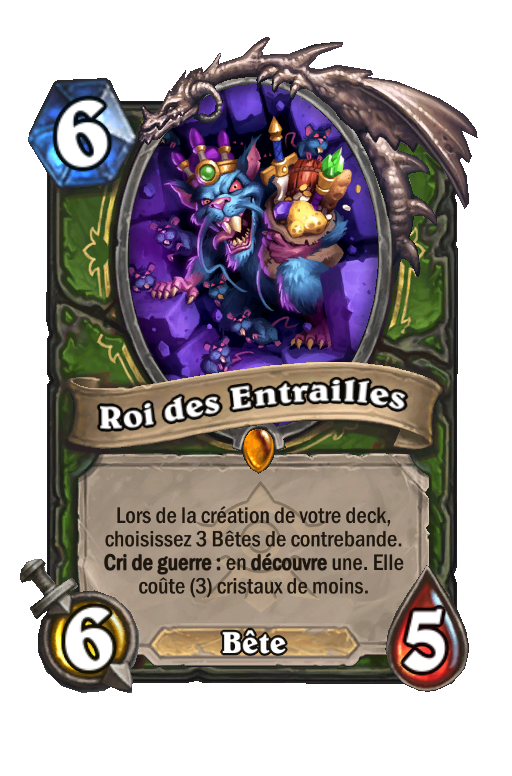
Face Hunter remains the meta's safe bet for anyone looking to climb to Legend quickly. The "Contraband Face Hunter" variant reached #4 Legend in mid-July with a 7-3 record, leaning on the new cards Breakout and King of Beasts.
Game Plan
- Turns 1–3: Contraband Shovel, Guard Dog, and Black Market Boss apply pressure from turn one.
- Turns 4–6: King of Beasts (choose three Contraband Beasts at deck creation) and Beast Trap Wire keep the tempo going.
- Turn 7+: close it out with Arcane Trap Wire, which replants 5 split damage each time the auto-copy draws.
Mulligan
Keep everything that costs 1 or 2 mana: Contraband Shovel, Guard Dog, Black Market Boss, Beast Network. A low curve is essential.
Matchups
- Favorable: Aya Rogue (without Taunt before Aya), Karov Priest if the curve lines up.
- Even: Egg Death Knight.
- Unfavorable: Whacker Warrior, Godfrey Warlock (massive healing).
Estimated cost: around 7,600 dust, the cheapest list in the top 5. An excellent choice for a first competitive deck.
Face Hunter remains the best entry point into competitive ladder play: its short games make it easy to quickly digest mulligan mistakes, and its dust cost fits an expansion-launch budget.
5. Control Karov Priest — Tier A
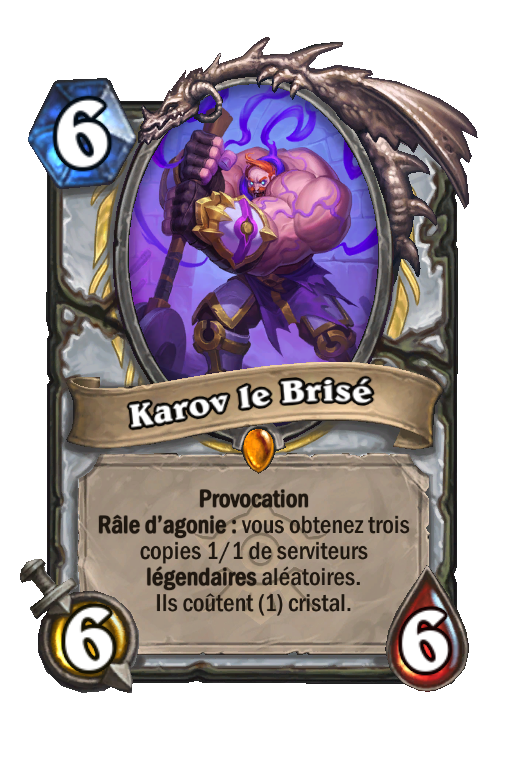
Control Priest reinvents itself around Karov the Broken (6 mana 6/6, Deathrattle: three 1/1 copies of random legendary minions for 1 mana) and Soulripper Azalina, which shrinks the deck to 20 cards plus 20 copies of the opponent's cards. The combination offers an inexhaustible source of value in long games.
Game Plan
- Turns 1–4: clear the board with Undead Sentence, Sacred Embrace, Mindchange. Develop Bewitched Shade as a mid-range threat.
- Turns 5–7: play Hold the Line to stabilize, then Karov to lock in late-game value.
- Turn 7+: Azalina refreshes your whole deck with a full hand, guaranteeing a resource ceiling most opponents can't match.
Mulligan
Keep the cheap removal: Undead Sentence, Sacred Embrace, Mindchange. Karov and Azalina will naturally show up in the draw.
Matchups
- Favorable: Face Hunter, Verr'Minh Shaman (in the long run).
- Even: Whacker Warrior.
- Unfavorable: Aya Rogue (Jade Golems outscale your healing cap), Dragon Warrior.
Estimated cost: around 14,200 dust. Karov and Azalina are essential; add Soul Unraveling and two additional epics.
Going Further
The post-Escape from Crimson Fort meta rewards decks that exploit rule-breaking mechanics. Understanding each class's outlaws remains the best way to improve, even outside the top 5.
The 35.4 patch fixed several post-launch abuses — notably the most explosive combos in the Manastorm Mage variant and the Godfrey / Annihilation synergy on Warlock — and Blizzard has announced monthly follow-up throughout August to stabilize the ladder. The weekly compilations from hearthstone-decks.net and the interactive tier list from HSReplay.net remain the two go-to references for adjusting your lists week after week.
For those just starting the expansion, prioritizing the crafting of Verr'Minh (Mug'Zee), Lotus Aya, and Karov the Broken covers three of the five archetypes presented here for an investment of roughly 4,800 dust in unique legendaries. Face Hunter remains the best entry point for testing the meta before committing to pricier builds.
Check back at the end of the month for an updated rundown after the next weekly Legend compilation report and the 35.5 rebalance patch expected in the first week of August.
Share this article
Which playstyle appeals to you most in July 2026?
Frequently asked questions
Which deck should I choose if I'm starting out in July 2026?
Verr'Minh Shaman for sure. Clear game plan, accessible curve, and the bonus hero power does the work for you in long games. Requires less finesse than Aya or Warrior.
Verr'Minh or Aya to climb to Legend quickly?
Aya if you master combos and burst calculations. Verr'Minh if you prefer letting the mechanic do the work while you handle tempo. Statistically, both end up Tier S, so it comes down to personal comfort.
Why does Rend Warrior cost more than the others?
It requires three to four different legendaries (Rend, Dimensional Salamander, dragon payoffs) plus essential epics. That's the price of versatility and an unavoidable threat.
Is Face Hunter still viable against control decks?
Yes, thanks to Arcane Tripwire, which replants 5 damage spread out with every draw. Burst damage often lands before control has time to stabilize with its big spells.
Which matchup is the most 50/50 in the current meta?
Verr'Minh vs Aya Rogue. Verr'Minh slowly accumulates value, Aya tries to close out the game before that value comes online. If Aya resolves her win condition, she wins. If Verr'Minh survives and plays against a stabilized Aya, she escapes.
Key takeaways
- Verr'Minh Shaman dominates through brutal simplicity: a bonus hero power that generates infinite value in long games.
- Aya Rogue breaks the mold by trading the coin flip for three upgraded copies of The Coin — a constraint turned into a strength.
- Rend Warrior duplicates its legendaries and locks down games with unavoidable Taunts.
- Face Hunter remains the shortcut to Legend for those who master aggressive tempo and burst damage.
- The dust cost varies drastically: expect 12,800 for Aya (efficient) versus 15,400 for Warrior (expensive but complete).
Comments
No comments yet. Be the first to react!
Leave a comment
Similar guides


Latest articles






Your opinion counts
Rate Hearthstone
Click a star to rate