

 Fabian Lainé
Full Guide
Clash Royale: completing Ken's C.H.A.O.S draft league before August 17, 2026
In brief
Ken's C.H.A.O.S draft league runs until August 17, 2026, and hands out the coveted league badge after 15 wins, along with access to the berserker heroine via the "Unleash the Beast" event. This mode stacks two layers of randomness — card drafting and random modifiers — but mastering the psychology of denial and optimizing bonus windows turns the match into a strategic calculation, not pure luck.
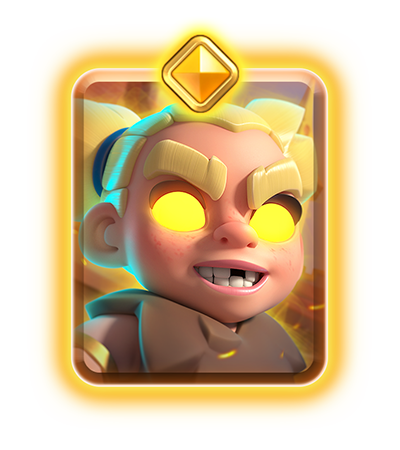
Ken's C.H.A.O.S Draft League runs on Clash Royale's calendar from August 3 to 17, 2026, and it's the most rewarding event of the K.H.A.O.S season. It's the one that launches "Unleash the Beast," the unlock event for the berserker hero, and it hands out a league badge after 15 wins. Once August 17 passes, the door closes: the variants that take over until September 7 don't give out that reward again.
The catch is that this format stacks two layers of randomness. You don't build your deck, you draft it card by card against your opponent; then, mid-match, the game forces five modifier choices on you with ten seconds to think. A lot of players treat both of these moments as lotteries. They're the only two places where you actually win matches in this mode.
What's at stake until August 17
Supercell detailed the rewards in the official French patch notes for the K.H.A.O.S season, published on August 3, 2026:
- Ken's C.H.A.O.S Draft League — from August 3 to 17. A league badge after 15 wins.
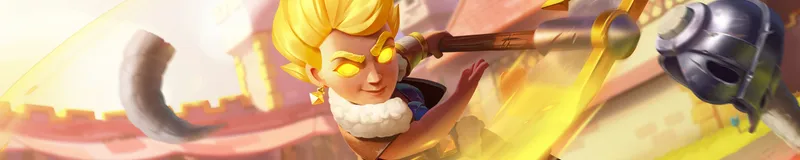
- Berserker Hero — the "Unleash the Beast" unlock event starts with the league. Her ability, Survival Savagery, boosts her attack speed and makes her untargetable for a few seconds.
- Ken's Shop — K.H.A.O.S tokens, a time-limited currency earned from events, the shop, and contests, unlock among other things the Evolved Elite Barbarians.
- Ken's Mega Draft C.H.A.O.S — the global tournament, from August 24 to 29, with an exclusive badge and a leaderboard badge for the top 10,000.
The valkyrie hero, the season's other new addition, doesn't go through this: she's obtained via the Royale Pass or in exchange for hero coins. C.H.A.O.S therefore only matters for the berserker hero and the tokens. In other words, if there's only one mode you play this season, it should be this one — and it has to be done before August 17.
The draft: half your deck comes out of your opponent's hand
The draft mechanic has been stable in Clash Royale for years: the game offers you two cards, you keep one, and the one you turn down goes to your opponent. This repeats until your eight-card deck is filled half with your own picks and half with cards your opponent didn't want. Here, the pairs are drawn from the C.H.A.O.S pool, a closed set that Supercell kept at 50 cards during the previous season.
Three practical consequences, which matter more than any "best decks list":
- You already know four out of eight opposing cards: they're exactly the ones you discarded. Note them mentally during the draft, not during the match — you won't have time then.
- Refusing a card arms it. Facing a pair that includes a big threat, the question is never "which one suits me?" but "which one hurts me most on the other side?". A card that's average for you but disastrous against you should be taken, even if it doesn't fit your curve.
- Secure anti-air early. It's the most common gap in drafted decks, and the hardest to fill afterwards: no modifier will give a ground card the ability to target air.
Last reflex: stop looking for an archetype. A drafted deck has no synergy, it has roles. A main threat, a ground answer, an air answer, a spell, two cheap cards to cycle. If the draft leaves you with two costly threats, take the cheaper one: the mode's accelerated elixir generation rewards short cycles.
The five modifier windows, and what they offer
Each of the 50 cards in the selection has three distinct modifiers, for 150 effects in total. The rules, as documented by the mode's community sheet, are strict:
- The match pauses and offers you two modifiers, applying to the same card or to two different cards in your deck.
- You have ten seconds; once that runs out, the game decides for you, at random.
- The chosen modifier is final until the end of the match, and that card can never be modified again afterwards. The same modifier is never offered twice.
- There are five windows maximum per match, spread across the timer.
The rarity distribution isn't uniform, and that's where planning comes into play:
| Window | Time remaining | Rarity offered |
|---|---|---|
| 1 | 2:56 | 90% common / 10% rare |
| 2 | 2:11 | 20% common / 80% rare |
| 3 | 1:26 | 50% rare / 50% epic |
| 4 | 0:26 | 20% rare / 80% epic |
| 5 | 1:26 into overtime | 100% epic |
Simple takeaway: the first two windows are consumables, the last three decide the match. Commons and rares drop early, epics only start appearing from the third window onward and are guaranteed in overtime.
Five reflexes to avoid wasting a choice
1. Never modify a card you won't play. This is mistake number one under a ten-second countdown: a lavish bonus on a card you won't drop three times in the match is worth zero. A small bonus on the card you cycle every twenty seconds is worth the match.
2. Serve the cycle first, the threat afterwards. Windows 1 and 2 arrive when you're still short on elixir: use them to boost your cheap cards, the ones that defend on repeat. Keep your "unmodified" finisher card for windows 3 to 5, where epics appear.
3. Spread it out. A card that's already been modified is locked. Mentally stacking several upgrades on the same unit is therefore impossible: your plan should cover four or five distinct cards, not just one.
4. Look at the clock before looking at the cards. At 0:26, you have an eight-in-ten chance of getting an epic: if your key card still hasn't been modified, this is the moment. At 2:56, the opposite is true — don't burn that key card on a common.
5. Decide fast, even if it's the wrong call. An imperfect choice you commit to beats a random draw forced on you at the tenth second. If neither option speaks to you, take the one tied to the cheaper card of the pair: you'll play it more often.
Crown towers twice as tough: your game plan changes
The detail most players discover too late: in C.H.A.O.S, crown towers have double the hit points and elixir generation is sped up by 50%. The knock-on effects are huge.
- Chip damage isn't enough anymore. Whittling down a tower with a Miner or Log, a perfectly viable plan in Ladder, doesn't take much off here. You need to build a real attack.
- A spell no longer finishes a tower. Don't wait for a big last-second spell to convert 15% remaining health: the math no longer adds up.
- Overtime becomes the norm, not the exception. That's why the fifth pick window, guaranteed to be Epic, is so often the deciding one: manage your first four choices knowing a fifth will almost always come.
- Fast elixir punishes passive decks. Defending on the cheap no longer creates a decisive advantage when your opponent regenerates at the same rate. Offensive modifiers are, on average, worth more than defensive ones.

Secret badges, for the collectors
Beyond the league badge, the mode's community page lists three secret legendary badges, carried over from previous editions of C.H.A.O.S. The first requires three wins in a row: it's the most accessible, but it means you can't string games together while fatigued. The second requires winning without dealing any damage to the opponent's crown towers, the king tower being the only exception: so you have to break through straight down the middle, typically with a Miner or Goblin Drill, while scrupulously avoiding splash damage on the sides. The third requires assembling four very specific modifiers in a single match — that one is pure hunting, not strategy.
These conditions haven't been republished by Supercell for Ken's variant: treat them as a secondary objective, to check on your profile, never as a reason to throw away a match that counted toward your 15 wins.
After August 17: C.H.A.O.S continues, under different rules
The league ends, not the mode. The season's official calendar lines up four variants:
| Variant | Period |
|---|---|
| C.H.A.O.S Triple Draft | August 17 to September 7 |
| Epic C.H.A.O.S | August 17 to 24 |
| C.H.A.O.S Sudden Death | August 24 to 31 |
| C.H.A.O.S Unlimited Elixir | August 31 to September 7 |
Triple draft widens each choice to three cards, which makes drafting noticeably more comfortable — but you learn less about your opponent's deck, since you're no longer systematically denying them an identified card. In Sudden Death, the first tower destroyed wins the match: windows 4 and 5 of modifiers are barely useful anymore, everything hinges on the first two and a single big trade. In Unlimited Elixir, the draft matters more than the modifiers: your power ceiling depends solely on the eight cards you get. Supercell also mentions the possibility of organizing your own tournaments with custom C.H.A.O.S. drafts.
The right priority as of August 10, 2026
There's still time before August 17, but 15 wins in draft take several sessions to rack up, not just one evening: get the league going before touching the season's other events. It's the only free source for the berserker hero, and the K.H.A.O.S tokens collected along the way fund Ken's shop, where the evolved elite barbarians await. Players who learn the five-window grid now will start with a head start on the mega draft from August 24 to 29, where the top 10,000 is locked in by a ranking badge — and where no one will have time to learn the mode along the way.
Share this article
When facing a pair of cards in the draft, do you tend to strengthen yourself or weaken your opponent?
Frequently asked questions
How many wins are needed to earn the league badge?
You need 15 in Ken's C.H.A.O.S draft league before August 17, 2026. That's the threshold set by Supercell to obtain this exclusive reward; after that date, the mode's variants no longer grant the badge.
What should I do if I have to deny a pair where both cards seem essential?
Deny the one that hurts you most against your opponent, not the one that suits you. The main goal of the draft isn't to build your best deck, it's to deprive your opponent of their best threats.
Why does the fifth modifier window so often arrive in overtime?
Because crown towers have double the hitpoints and elixir speeds up by 50%: chip damage is no longer enough, and matches naturally drag on. Overtime becomes the norm, not the exception.
Which modifier should I choose if neither option appeals to me?
Pick the one that affects the cheaper card in the pair: you'll play it much more often during the match, and even a minor bonus will have more impact than a big bonus on a rare card you'll only drop two or three times.
Should you secure anti-air first during the draft?
Yes, absolutely. It's the most common hole in drafted decks and the hardest to fix afterward: no modifier will give a ground card the ability to target air, so don't let it slip away during the draft.
Key takeaways
- Every card you deny during the draft directly strengthens your opponent: always deny the biggest threat against you, not the one that suits you.
- C.H.A.O.S crown towers have double the hitpoints and boost your elixir by 50%: forget gradual chip damage, you need to build a real attack.
- The last three modifier windows guarantee rares and epics: save your key card untouched for these decisive moments, not for common bonuses.
- The fast cycle crushes slow play in this mode: upgrading your cheap cards in windows 1-2 secures your basic defenses when elixir comes in too fast.
- Stop looking for an archetype: a drafted deck has no synergy, it has roles — one threat, two answers, one spell, two cards to cycle.
Comments
No comments yet. Be the first to react!
Leave a comment
Similar guides



Latest articles



Your opinion counts
Rate Clash Royale
Click a star to rate