

 Fabian Lainé
Full Guide
Clair Obscur Expedition 33: The Exploration Guide — Mastering Esquie, the World Map and All Hidden Areas (2026)
In brief
After Act I, Clair Obscur becomes an open playground where exploration determines your power. This guide shows you how to master Esquie and its movement abilities to access hidden regions, efficiently farm Pictos and Luminas, and miss nothing before the decisive battles.
Once Act I is behind you, Clair Obscur: Expedition 33 stops being a narrative corridor and becomes a massive open playground. The Continent's world map is packed with chests, Pictos, hidden Nevrons, and entire regions that the story never forces you to visit. The problem is that nothing clearly explains how to reach them: it all hinges on Esquie and its movement abilities, which unlock little by little. This guide teaches you to read the map like a metroidvania, to miss nothing before the point of no return, and to turn every detour into a concrete power gain.
Why exploration changes everything after Act I
As long as you follow the main line, the Expedition moves forward from zone to zone without ever backtracking. As soon as the party gains free access to the Continent, the logic flips: the world map becomes a central hub that you crisscross in every direction, and the vast majority of the most interesting Pictos, weapons, and Luminas are hidden off the beaten path. Exploring isn't just a cosmetic bonus. It's the fastest way to boost your Overpainted Power before the fights that matter, since every Picto you pick up translates into extra Lumina Points (LP) to distribute across the whole team.
In other words: Gustave, Lune, Maelle, Sciel, Verso, and Monoco only become truly formidable if you take the time to search around. A player who charges ahead ends up under-equipped against the Fugitifs; a player who scours the map arrives with a stockpile of Luminas and Pictos that makes every fight far more comfortable.
Esquie, your key to the world map
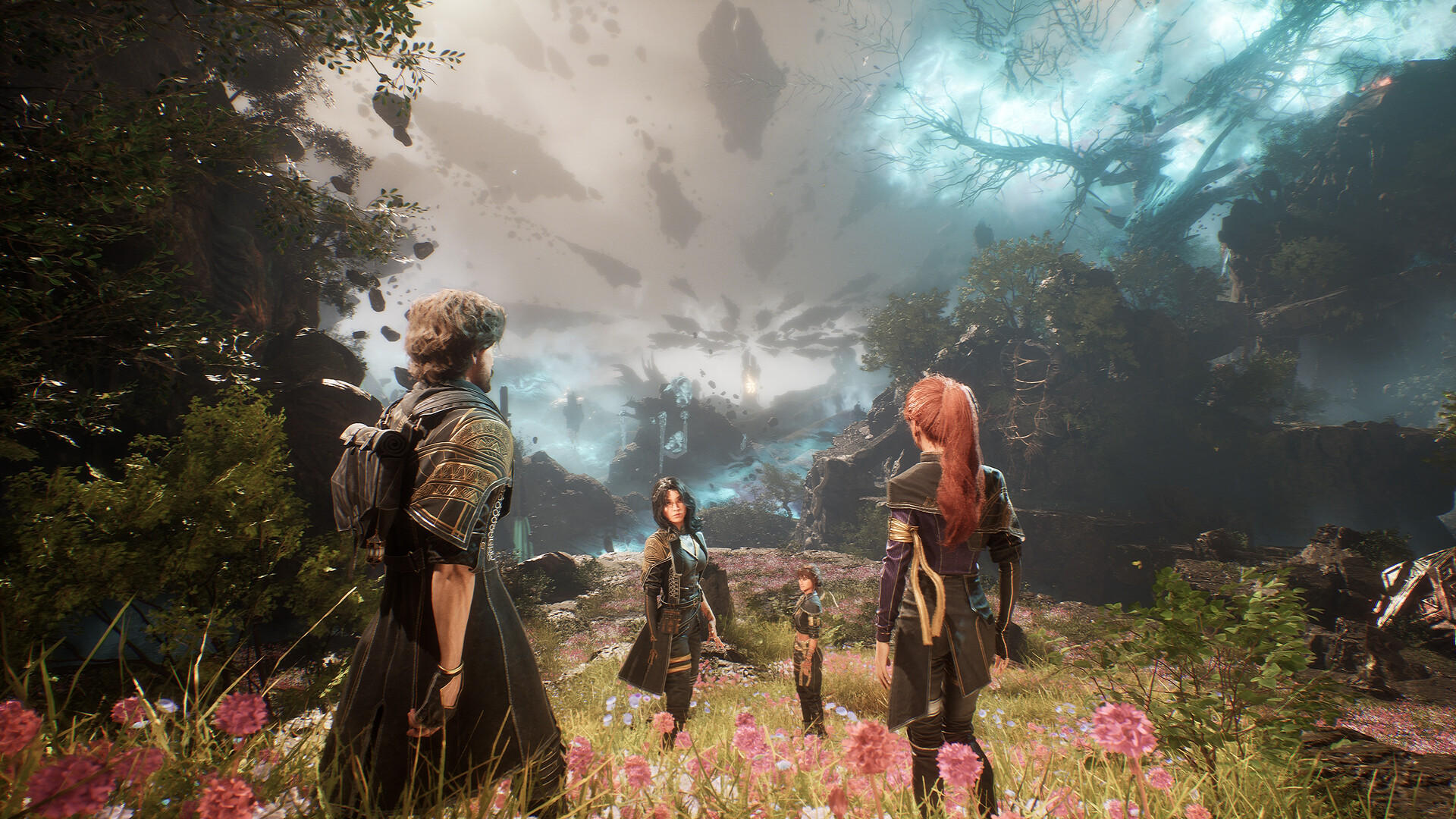
Esquie is the great benevolent creature that carries the Expedition across the Continent. It, and it alone, determines where you can go. Its strength lies in learning new ways to move as the adventure progresses—and each new ability suddenly opens up entire swaths of the map that were previously inaccessible.
- Walking and jumping: at first, Esquie simply trots along dry land and clears small bits of terrain. You're confined to the immediate surroundings of your starting point.
- Swimming: the first major breakthrough. Once Esquie can swim, the sea that split the Continent into pieces becomes a highway. Dozens of islets and coastlines open up, often packed with chests.
- Flying / levitation: Esquie rises above the cloud barriers and cliffs that blocked the way. This is where the floating zones and elevated plateaus richest in loot are revealed.
- Diving: the final piece of the puzzle. Going beneath the surface grants access to submerged regions and some of the game's most secret corners.
The habit to build: every time Esquie gains a new ability, open the map and mentally pinpoint all the spots you previously had to skip. That's the moment to go back.
Reading the map like a metroidvania
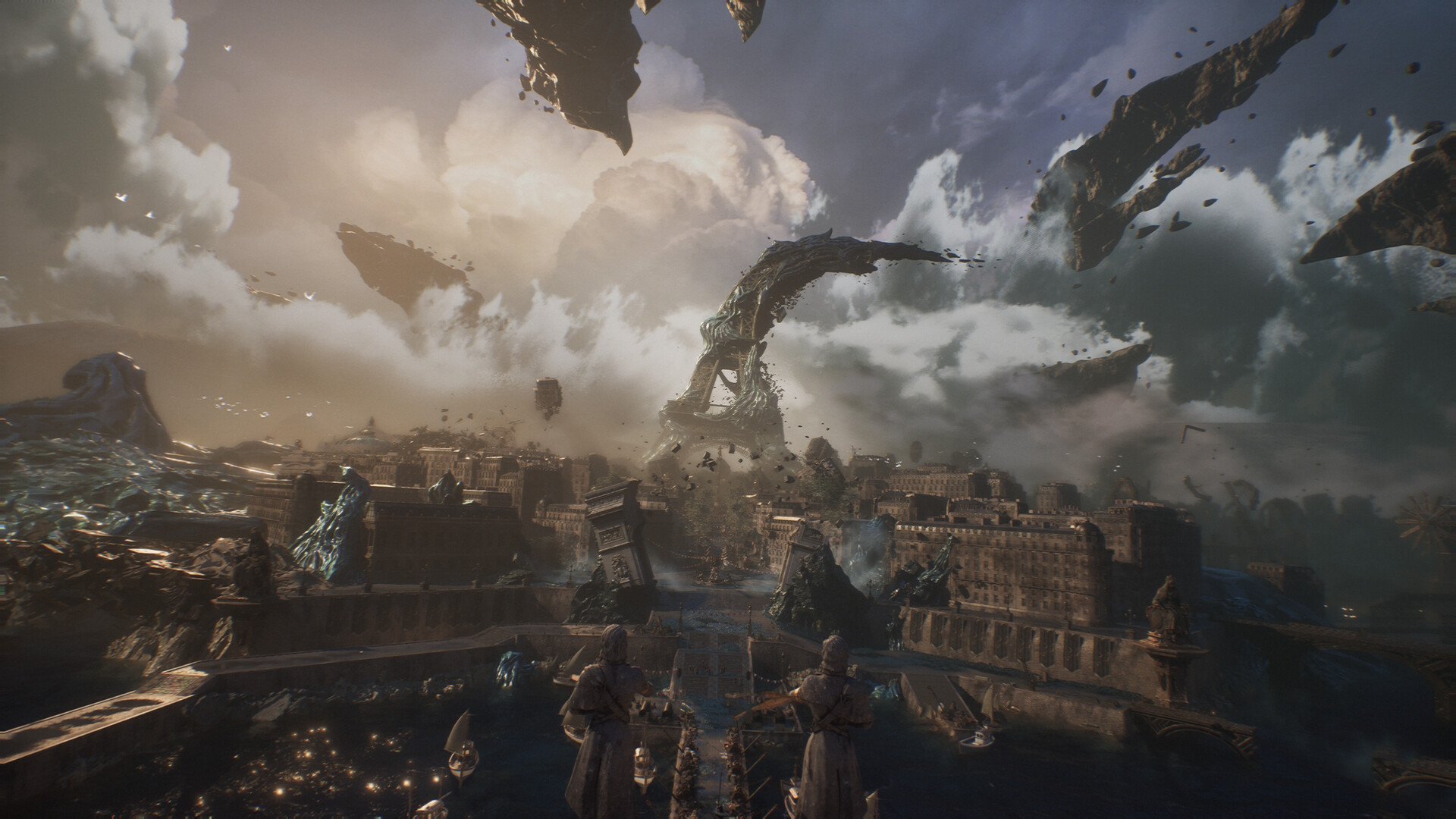
The world map's level design is built exactly like a metroidvania: you're shown treasures very early on that you can't yet reach, precisely to make you want to come back. An isolated island in the middle of the water, a plateau perched behind a wall of clouds, a barely visible underwater entrance: these are never mere scenery, but promises.
Get into the habit of noting down these obstacles. A good rule of thumb:
- Explore each area until you hit a limit (water, height, depth).
- Continue the story until you unlock Esquie's next ability.
- Reopen the map and do a "cleanup" pass on everything the new ability makes accessible.
- Use the Expedition's waypoints to fast travel and save time on back-and-forth trips.
This "advance, unlock, backtrack" loop is the heart of the out-of-combat experience. Neglecting it means leaving behind half the game's rewards.
Renoir's Sketches, optional dungeons you shouldn't miss
Scattered across the Continent, Renoir's Sketches are fully-fledged optional areas: unfinished paintings you dive into to fight off waves of Nevrons and, often, earn a Fugitive as a reward. They're among the best spots to farm Lumicolor, unlock Luminas, and grab Pictos you won't find anywhere else.
A few principles for tackling them without stress:
- Their difficulty ramps up quickly: don't venture in with too low an Overpaint Power, or you risk getting punished by a simple elite Nevron.
- They reward mastery of parrying and dodging far more than button-mashing—come in with clean defensive rotations.
- The loot at the end more than justifies the detour: save them for when you're looking to fill a gap in a build.
Think of them as the "mid-tier" content between casual exploration and end-game confrontations.
The Gestral village and side activities
The Gestrals, those mischievous little wooden creatures, hold a special place in Sandfall's universe. Their community houses a bunch of activities that have nothing to do with regular progression and offer a real breather between two tense zones.
- Combat challenges: timed fights or ones with special conditions, perfect for testing an Overpaint Power build without any risk to your main save.
- Mini-games and wagers: the Gestrals love to play, and some of their pastimes yield resources or unique items.
- Recruitable characters and secrets: talking to them sometimes opens up leads to hidden rewards elsewhere on the map.
It's also a good way to better understand Monoco, whose story is closely tied to this people. Take the time to linger in these areas: they're packed with small, easy gains.
A pacing tip: systematically alternate between "serious" exploration phases and detours to the Gestrals. Chaining together three Nevron-dense regions in a row gets tiring, whereas a break in a mini-game recharges your batteries and often nets you something to fine-tune a Picto. This breathing room is an integral part of Sandfall's game design, which never wants exploration to turn into a mechanical chore.
Tracking down chests, Pictos, and hidden Nevrons
On foot, in areas explorable on the ground, gold hides in every nook and cranny. The game loves to conceal passages behind a deceptive camera angle or a path that seems to lead nowhere. A few worthwhile habits to pick up:
- Always hug the edges. Corridors that look like dead ends almost always hide a chest or a Pictos at the far end.
- Be wary of paths that lead upward. A raised platform often leads to an isolated reward.
- Treat hidden Nevrons as markers. A stationary enemy in the middle of nowhere is almost always guarding something.
- Clear out an area before leaving it. Coming back later costs time; sweeping it thoroughly on the spot is far more efficient.
Every Pictos you pick up counts twice: it grants its immediate stats and, once "mastered" through combat experience, it unlocks its Lumina for the whole team. That's the real engine driving your Overpainted Power.
The camp and the Curator, hubs of exploration
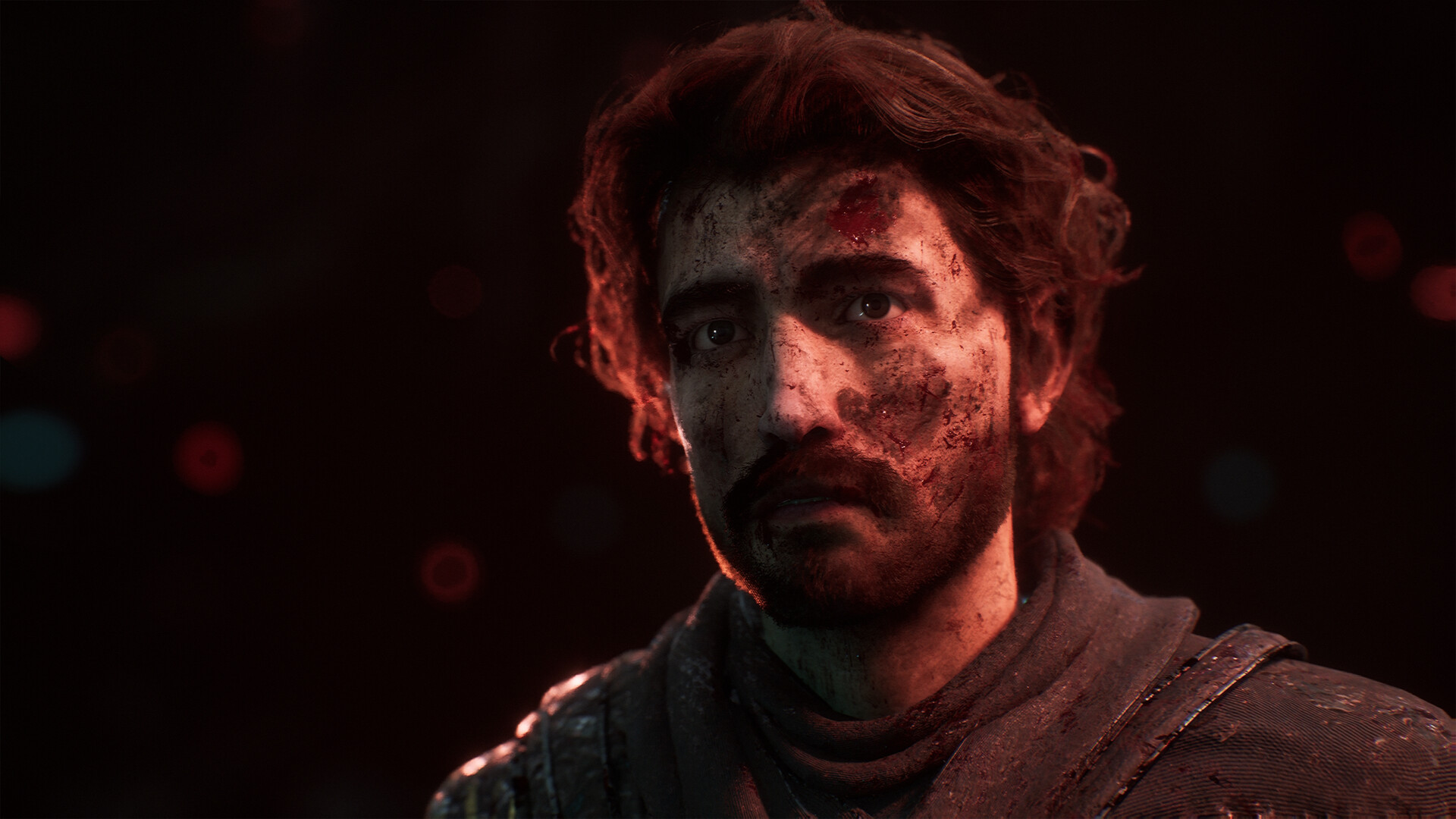
Between two outings on the map, the camp is your rear base. It's where you take stock, talk with the team — these dialogues flesh out the lore and sometimes unlock content — and prepare for what's next. It's also where the Curator comes in, the camp NPC who centralizes part of your discoveries.
In practice, think of the camp as the place where your exploration finds truly come together: it's by coming back to deposit your resources, reorganize your Pictos, and listen to your companions that you turn a scavenging session into lasting progress. Don't treat it as a simple "rest" button: stop by regularly, especially after a big haul.
The campfire conversations deserve a special mention. Far from mere filler, they distill the essence of the story — the unspoken tensions between Gustave, Lune, Maelle, Sciel, and Verso, the wounds each of them carries, and precious clues about the world. Some only trigger after reaching a new area or hitting a story beat, so a player who explores thoroughly naturally unlocks more dialogue than a player in a hurry. So make it a habit to walk around camp every time you return: it's free, it's quick, and it's where the game reveals much of its soul.
Reaching the endgame areas without getting caught off guard
The Continent's most remote regions — those housing the most demanding content — only open up once Esquie has all of her abilities. They're deliberately tucked away, behind a combination of swimming, flying, and diving. Getting there is a small traversal puzzle in itself.
Our advice: don't confuse "being able to get there" with "being ready." The fact that Esquie can finally reach an area doesn't mean your team is calibrated for what awaits inside. These spots house the toughest opponents in the game, and you'll often show up underleveled if you rush in. Before venturing there, go back and farm Renoir's Sketches first and round out your builds — we cover the corresponding fights in detail in our dedicated guide to the super-bosses and their loot.
Exploration checklist before the point of no return
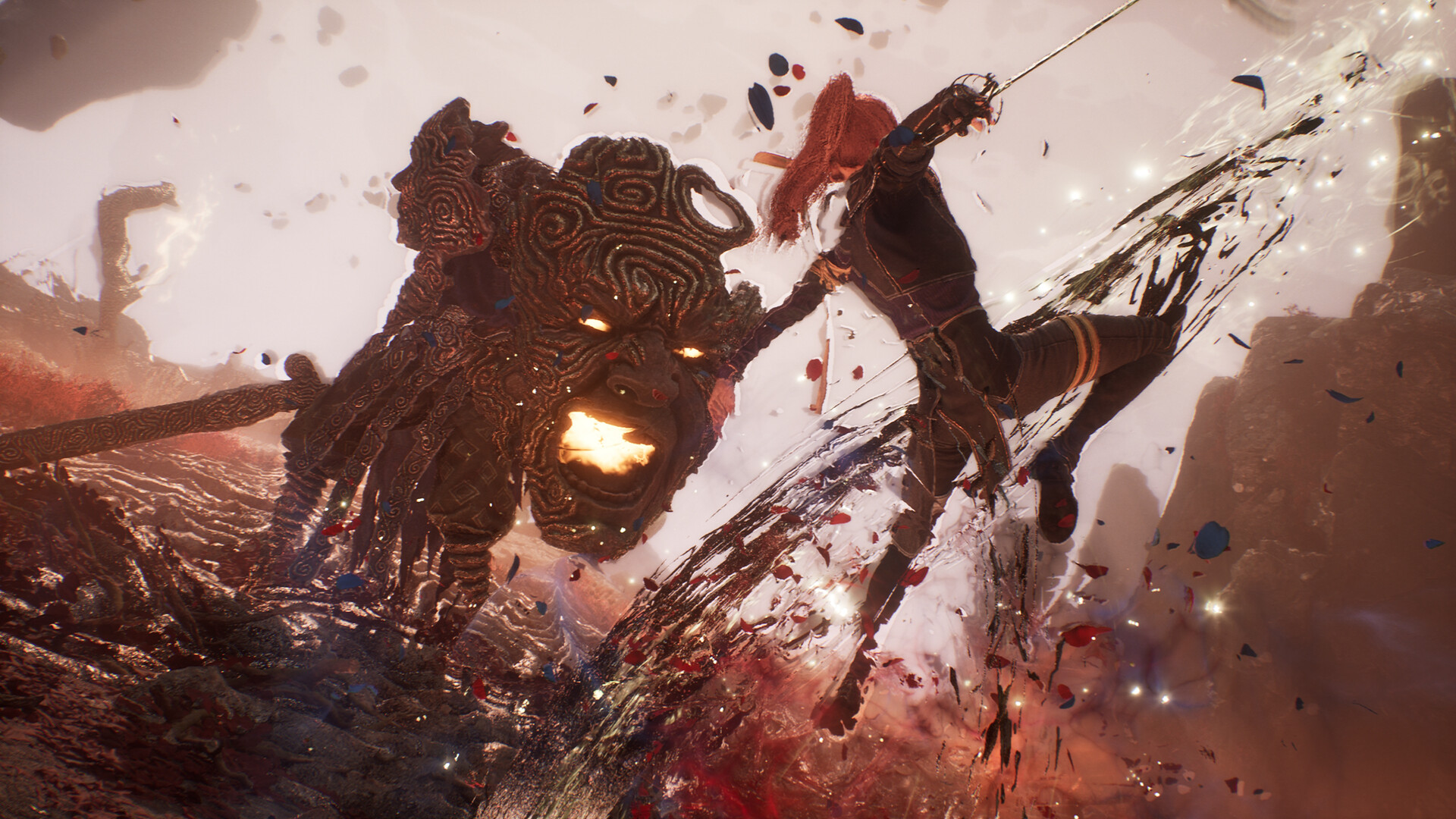
Like most great RPGs, Expedition 33 features a narrative threshold beyond which certain areas close off or transform. Before you cross it, go through this checklist:
| To check | Why |
|---|---|
| All of Esquie's abilities unlocked | Without them, entire regions remain out of reach. |
| Map swept after each new ability | Avoids leaving Pictos and chests behind. |
| Renoir's Sketches completed | Best source of optional Luminas and Lumicolor. |
| Gestral activities finished | Unique rewards and context on Monoco. |
| Key Pictos mastered in combat | Unlocks their Luminas for the whole team. |
| Return to camp after each haul | Reorganize builds and resources via the Curator. |
Check these boxes and you'll head into the final stretch with an Overpainted Power well above the expected curve.
In short: explore first, fight later
Exploration isn't a distraction in Clair Obscur: Expedition 33 — it's the backbone of your power growth. Unlock every one of Esquie's abilities, adopt the "advance, unlock, backtrack" loop, methodically clear out each area, and use the camp as your anchor point. Do this, and both the Fugitifs and the superbosses will stop being walls and become mere stepping stones. The world map is the game's real treasure chest — it's up to you to open it fully before closing the book.
Share this article
How do you usually explore in open worlds?
Frequently asked questions
What actually changes if I don't explore much after Act I?
You end up underequipped against the Fugitives. Every Picto you don't pick up means lost Lumina Points for the whole team. A player who charges straight ahead ends up in a much tighter spot than one who scours the map before major fights.
How do I know where Esquie can go at each stage?
The best approach: explore each zone until you hit a limit (water, height, depth), continue the story to unlock the next ability, then reopen the map and do a systematic sweep of what's now accessible. That's the core of the metroidvania loop.
Are Renoir's Sketches mandatory?
No, but they're among the best places to farm Lumicolor and get unique Pictos. Their difficulty ramps up quickly, so only venture in once your Overpainted Power is sufficient and you've got parrying and dodging down.
Are there areas I'll lose access to if I go too far in the story?
The text mentions a point of no return, so yes. That's why it's important to sweep the map as you go rather than waiting until the end. The loop of "advance, unlock, go back" is the secret to leaving nothing behind.
Key takeaways
- Esquie unlocks the map little by little: each new ability (swimming, flying, diving) opens entire regions you had to bypass before.
- Exploration isn't cosmetic — every Picto you pick up increases your Overpainted Power and changes how comfortable fights against the Fugitives are.
- The map works like a metroidvania: spot the obstacles you can't reach yet and come back to search once you have the required ability.
- Renoir's Sketches are tough optional dungeons that reward defensive mastery far more than brute force.
- Alternate between serious exploration and mini-games with the Gestrals so the game doesn't turn into a mechanical chore.
Comments
No comments yet. Be the first to react!
Leave a comment
Similar guides

Latest articles
Your opinion counts
Rate Clair Obscur: Expedition 33
Click a star to rate