

 Fabian Lainé
Full Guide
Rust: the 2026 starter guide — wipe, starter kit, monuments, base defense, and the 10 hours that decide your survival
In brief
Rust in 2026 demands a timed strategy from the very first ten hours: floor loot, building a 2x1 base, unlocking the Tier 1 Workbench, and a first safe visit to the Outpost. The monthly Force Wipe resets everything on the first Thursday of the month, making it crucial to log in on the opening weekend to avoid getting offline raided by the big clans.
Rust remains, in 2026, one of the most hostile games on the PC market. Released in early access in 2013 by Facepunch Studios (Garry Newman's studio), officially launched in 2018, it has never stopped evolving at the pace of a major monthly patch called Force Wipe. Every first Thursday of the month, all official servers reset the counters to zero: maps regenerated, bases razed, blueprints erased. That's the rule of the game, and it's also what makes the entry so abrupt for newcomers. This guide prepares you for the first ten hours that make the difference between a wasted week and a memorable season, on the Common Ground patch released on July 2, 2026.
The Force Wipe cycle: why you should play the first weekend
The Force Wipe falls on the first Thursday of the month around 8 p.m. (Paris time) on official Facepunch servers. For the Common Ground patch, the next big reset is scheduled for Thursday, August 6, 2026. Some community servers run a weekly map wipe (Wednesday or Sunday) while keeping blueprints, but Facepunch's monthly rhythm remains the reference.
Playing the first weekend of a wipe changes everything. You start on equal footing with the big clans: no one has a Tier 3 workbench yet, no one has farmed Launch Site, and the monuments are frequented by players just as vulnerable as you. Once Monday passes, the gap widens: armored bases start appearing, M249s start circulating, and a beginner showing up on Tuesday night gets offline raided overnight. The rule is simple: log in Thursday evening or Friday morning, otherwise wait for next month.
The first 10 hours: ground loot, T1 workbench, 2x1 base
The start of a wipe follows a precise ritual. Hours 1 to 2: you hit rocks and trees with a Rock to gather Stone, Wood and Metal Ore. You craft the Stone Hatchet and the Stone Pickaxe, which double your gathering rate. Hours 3 to 5: you scan the ground along roads and small monuments (Junkyard, Sewer Branch, Mining Outpost) to pick up components — Rope, Gears, Sheet Metal — essential for intermediate crafting.
Hours 6 to 8: place your Tool Cupboard (TC) in a discreet corner of the map, build a 2x1 base out of Stone (two main rooms + an airlock), and craft your first Workbench Tier 1 (500 Wood, 50 Metal Fragments, 100 Scrap). This is the gateway to the Waterpipe Shotgun, the Revolver, and the first traps.
Hours 9 to 10: first Outpost run to recycle everything cluttering your inventory and convert components into Scrap. Final goal for the first night: sleep safely behind a Sheet Metal Door with a Code Lock, a Sleeping Bag placed, and 200 Scrap in the bank.
The starter kit: stone, hatchet, bow, torch, sleeping bag
Five items are non-negotiable from the very first hour of play.
- Stone Hatchet et Stone Pickaxe — harvested by hitting wood and stone with the Rock. The hatchet for wood and animals, the pickaxe for stone and metal. Harvest ratio multiplied by two to three.
- Hunting Bow (200 Wood) + Wooden Arrow (25 Wood + 10 Stone per batch of four). Your first defensive weapon, silent and lethal against an unarmored target.
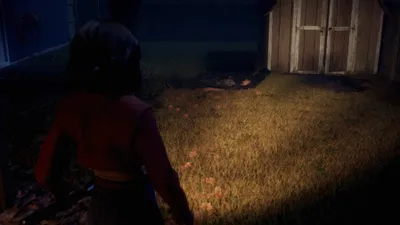
- Torch — essential at night. Rust is plunged into pitch darkness half the time; without a torch, you'll die of fright before you die of hunger.
- Sleeping Bag (30 Cloth) — a mandatory placement as soon as you pick an area. Respawning on a bag divides the cost of each death by ten. Place two: one in the base, one hidden a hundred meters away as a fallback point.
- Campfire (50 Wood) — cooks meat, warms you at night, slows dehydration in icy zones.
Craft this kit in order. Then add a Bone Knife to skin deer, followed by a Waterpipe Shotgun as soon as you reach Workbench Tier 1. At this point, you're ready for your first monument run.
Monuments to prioritize
Monuments are the map's hotspots: crates, a Recycler, puzzles, and sometimes armed Scientists. Here's the risk curve to follow for the first three days.
- Outpost — a safe zone patrolled by Sentry Turrets. PvP is forbidden there: you die instantly if you draw a weapon. You'll find a Recycler, a Mixing Table, a Small Vending Machine to buy components with Scrap. This is your first stop, without exception.
- Bandit Camp — the Outpost's twin, but focused on weapons and gambling (roulette, casino). You can trade Scrap for High Quality Metal or Sulfur. A safe zone.
- Small Oil Rig — a small offshore rig, guarded by three to five Scientists. Reward: a Locked Crate that takes fifteen minutes to open. Doable solo once you get an SMG or an MP5. Watch out for other players who'll try to steal the crate from you.
- Harbor — industrial docks with plenty of components and two Recyclers. Few Scientists, but a Cargo Ship event can dock there.
- Airfield — the real difficulty jump. A dozen Scientists patrol the area, some equipped with an Assault Rifle. Don't attempt it before you have a Semi-Automatic Rifle and Coffee Can Helmet + Roadsign Vest armor.
- Launch Site — the pinnacle of PvE. A patrolling Bradley APC, heavy Scientists, a three-tier puzzle. Impossible solo without a rocket launcher. Only aim for this by the end of your first week.
The new monument The Apartment Complex, introduced with the Common Ground patch (July 2026), sits between the Harbor and the Airfield in terms of difficulty. It also offers Rentable Shops: you can rent a stall and sell your surplus there, a first in the game's history.
Base defense: airlock, TC, code lock, Turret
A base is never impregnable, but it must be costly to raid. Four essentials.
- Airlock — two doors separated by a square, locked independently. Keeps door campers from slipping in with you when you get home. Always place the Code Lock on the inside of the airlock.
- Tool Cupboard — the heart of the base. Without it, anyone can build stairs against your walls and walk in. Hide it behind a wall or in a rigged ceiling (honeycomb).
- Code Lock with four digits. Avoid 0000, 1234, your birth year: raiders test the obvious combinations first. Change the code after every guest.
- Auto Turret — from Tier 2 onward, place an Auto Turret at the entrance with an SMG and 200 rounds. It shoots down anyone not added to its whitelist. It's the best insurance against offline raiding at this stage.
Add one or two Shotgun Traps to internal corridors, External TC honeycomb around the main base, and a hidden Bag in an armored room to respawn in case of a breach. The golden rule: your TC must be buried deeper than your chests.
Mistakes that ruin the wipe
Five recurring mistakes that sink beginners, season after season.
- Logging off without a sealed base. Offline raiding is the number one cause of death for beginners. Never leave the server without a TC placed, the airlock closed, and a Sheet Metal Door. Even thirty minutes is enough to lose all your loot.
- Poorly placed KOS (Kill On Sight). Shooting at everything that moves on the beach costs you potential allies. Many solos prefer to talk before shooting in the first few hours. An improvised duo survives ten times better than a solo.
- Drawing a weapon at the Outpost or Bandit Camp. The Sentry Turrets will empty a magazine into you in a second. Holster any weapon before crossing the red line marked at the entrance. The role-play around the safe zone is an absolute rule.
- Wasting your blueprints. Every item found on the ground can be researched at the Research Table (500 Scrap) or unlocked in the tech tree at the Workbench. Unlock the essential building blocks first (Sheet Metal Door, Code Lock, Waterpipe Shotgun) before giving in to the temptation of an MP5 out of reach.
- Ignoring the in-game map. Since 2022, the map has been built into the client. Check it (press G) to spot monuments, roads, and rivers. Getting lost in 2026 is inexcusable.
Vanilla, modded, PvE servers: which one to choose
Three main families of servers, each with its own community.
- Official Facepunch Vanilla — the pure experience, x1 harvest rate, monthly wipe, population 100 to 400. This is where the meta is played out. Choose a Europe Medium or Europe Long server if you're in France: the latency is better and the schedules match yours.
- Vanilla community servers — same rules, but run by active admins (stronger anti-cheat, frequent weekly wipes). RustClash, RustEZ, Rustoria or Rusty Moose are the best known, often more welcoming for a beginner.
- Modded 2x, 5x, 10x — multiplied harvest rates, starter kits, frequent Airdrops. Good training ground for learning PvP without spending three days farming. Watch out: the meta is different there, bases are gigantic, and Assault Rifle fights happen within two hours.
- Pure PvE — no player-versus-player damage. You farm, build, and explore without stress. Recommended for getting to know the interface and monuments before jumping into the deep end. The PvE Rustoria and Boys Only PvE servers remain references in 2026.
Our advice: one session on a PvE server to read the map, then a real start-of-wipe on a Europe Medium vanilla community server. You'll avoid the culture shock of official servers while keeping the authenticity of the game.
Conclusion
Rust remains, in 2026, the reference for PC multiplayer survival. The Common Ground patch and its Apartment Complex show that Facepunch hasn't lost any of its ambition thirteen years after launch. The game is hard, unfair, sometimes cruel — but its monthly cycle gives every player the same chance: to play again, every first Thursday, a fresh season where everything is to be rebuilt. Prepare your kit, memorize the map, respect the golden rule of the closed airlock, and give yourself ten hours. The rest belongs to the meta, to your neighbors, and to the night.
Share this article
When facing a Force Wipe, are you more the type to?
Frequently asked questions
When exactly does the Force Wipe happen and why should you play the first weekend?
The Force Wipe falls on the first Thursday of the month around 8 p.m. (Paris time). You should play Thursday evening or Friday morning because after Monday, the big clans already have Tier 3 workbenches and heavy weapons. A beginner showing up on Tuesday evening will get offline raided overnight. If you miss the window, wait until next month.
What is the exact order of the first ten hours?
Hours 1-2: Stone Hatchet and Stone Pickaxe by hitting rocks and trees. Hours 3-5: looting components at small monuments (Junkyard, Sewer Branch, Mining Outpost). Hours 6-8: placing the TC, building a stone 2x1 base, crafting a Tier 1 Workbench. Hours 9-10: first trip to the Outpost to recycle into Scrap and sleep safely.
Why is the Sleeping Bag just as critical as weapons?
Respawning at a bed cuts the cost of each death by a factor of ten. Place two: one in the base, one hidden a hundred meters away as a fallback point. Without a Sleeping Bag, every death sends you back to a random spawn, costing you precious minutes to get back to your base.
Which monument should you avoid the first three days?
The Airfield and the Launch Site are beginner traps. The Airfield requires a Semi-Automatic Rifle and at least a Roadsign Vest armor, with a dozen heavily armed Scientists. The Launch Site has a Bradley APC and is impossible solo without a rocket launcher. Target the Outpost, Bandit Camp first, then the Small Oil Rig as soon as you have an SMG.
How do you know if your Code Lock is really secure?
Absolutely avoid 0000, 1234, your birth year, or any palindrome code: raiders test obvious combinations first. Change the code after every guest. Your TC should be buried deeper than your chests, and the Code Lock should be on the inside of the airlock to prevent door campers from following you in.
Key takeaways
- The first ten hours decide between a profitable week and a wasted wipe — log in on Thursday evening or wait until next month.
- Your minimum survival kit fits in five items: Stone Hatchet, Stone Pickaxe, Hunting Bow, Torch, and Sleeping Bag.
- A stone 2x1 base with an airlock, Tool Cupboard, and Code Lock protects your loot better than any poorly built giant base.
- The Outpost and the Bandit Camp are your first major milestones — safe zones where PvP is forbidden and where you recycle your components into Scrap.
- Offline raiding kills more beginners than Scientists do — never leave without a placed TC, a closed airlock, and a locked Sheet Metal Door.
Comments
No comments yet. Be the first to react!
Leave a comment
Similar guides

Latest articles






Your opinion counts
Rate Rust
Click a star to rate