
 Fabian Lainé
Economy
Hearthstone: the complete free-to-play economy guide for 2026
In brief
Yes, you can play Hearthstone for free in 2026, but you need to master its economy: five distinct currencies, a steady gold system via quests and the Rewards Track, and above all, avoid wasting your arcane dust. A competitive deck takes between 3 to 12 weeks depending on its complexity, without spending a single cent.
Twelve years after its release, Hearthstone remains one of the most popular digital card games in the world. But between quarterly expansions, mini-sets, the Battle Pass and legendary cards costing 1,600 dust apiece, one question keeps coming up among new players and returning ones alike: can you still play Hearthstone without spending a single penny? The answer is yes, provided you understand its economy, its currencies and its pitfalls. This guide covers the whole system in 2026, quests, Reward Track and arcane dust included.
Hearthstone's currencies in 2026
Hearthstone runs on a five-currency ecosystem, which absolutely needs to be understood before spending anything.
- Gold: the main currency, earned by playing. It's used to buy packs (100 gold each) or to enter the Arena (150 gold).
- Arcane dust: obtained by disenchanting duplicate or unneeded cards, it's used to craft exactly the card you want. It's the most strategic resource in the game.
- Runic dust: introduced with the Death Knight, it's only used to craft that class's cards, which use the Blood, Frost and Unholy rune system.
- Diamonds: the premium currency, sparingly handed out through the paid Reward Track and certain bundles, mainly aimed at cosmetic versions.
- Real money: essential for purchased packs, the premium Battle Pass and full mini-sets.
A pack costs 100 gold in-game or roughly €1.80 per unit in the shop. On a larger scale, the 60-pack bundle at €69.99 remains the best value for those looking to open packs quickly.
Tip #1 — Never spend your gold on packs from older expansions. Save it for the current expansion: that's where the cards most in demand by the meta and Wild are found.
Crafting and disenchanting: the real costs
Hearthstone's entire economy revolves around a brutal ratio: you lose 75% of the value when you disenchant a card to craft another one. Here's the official breakdown:
- Common: 40 dust to craft, 5 from disenchanting (400 / 50 for golden).
- Rare: 100 to craft, 20 from disenchanting (800 / 100 for golden).
- Epic: 400 to craft, 100 from disenchanting (1,600 / 400 for golden).
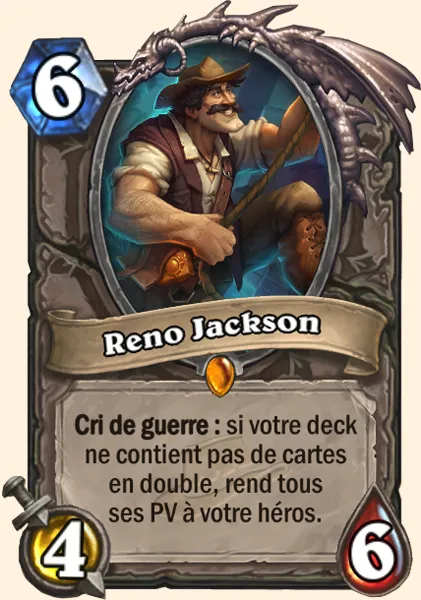
- Legendary: 1,600 to craft, 400 from disenchanting (3,200 / 1,600 for golden).
In other words, to craft a single Legendary, you need to disenchant four other Legendaries or sixteen Epics. That's what makes the choice of which expansions and decks to build so critical.
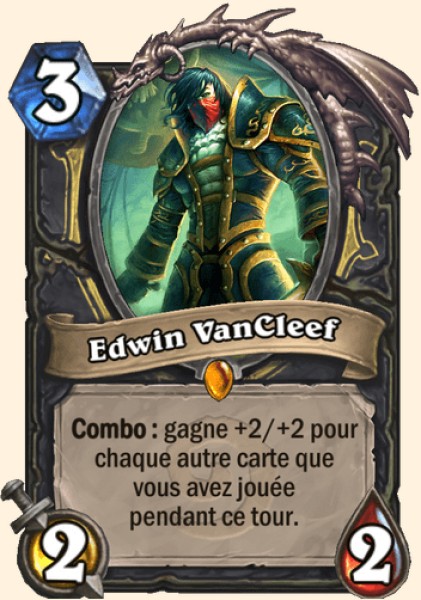
Good news: whenever a new expansion launches, Blizzard hands out a welcome bundle to all active players, containing an average of 10 free packs, a guaranteed random Legendary card and sometimes a bonus Epic card via launch quests. Combined with the Reward Track, a regular player can expect to open 60 to 80 free packs per expansion cycle.
All the free gold sources
Hearthstone rewards consistency. Here's where to find free gold in 2026:
- Daily quests: between 50 and 100 gold each, or roughly 60 gold on average per active quest.
- Weekly quests: three new quests every Monday morning (9am Paris time), more generous and rewarded mainly in XP for the Rewards Track.
- Ranked season rewards: monthly chests containing packs, gold and dust depending on the rank reached (Legend rank remains the most profitable goal).
- Rewards Track: past level 50, each tier grants an additional 150 gold, with no cap.
- First wins in Arena: the first daily win grants 10 gold, plus end-of-run rewards (from 3 wins onward, you break even).
- Special events and Tavern Brawl: Blizzard regularly hands out packs and Arena tickets through its seasonal events.
Tip #2 — You can reroll one quest per day. Use this reroll to turn a 50-gold quest into a potential 100-gold quest. Over a month, this simple habit is worth the equivalent of one to two extra packs.
The Rewards Track: your Hearthstone Battle Pass
Since 2021, Hearthstone has used a Rewards Track model (the local Battle Pass) that redistributes a significant share of packs, cards and gold coins. Each expansion has its own 50-level track, plus an infinite level beyond that.
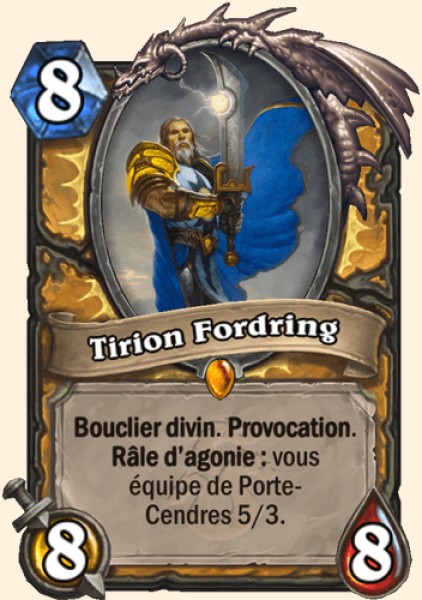
The free track distributes, over the course of the levels: 14 golden cards, one guaranteed Legendary (themed to the expansion), one random Legendary, one random Epic, several Standard packs, Arena tickets and around 2,000 gold in total. This is where most of the value lies for a free-to-play player.
The Tavern Pass, the premium track priced at around €19.99, immediately unlocks: an alternate hero, a cosmetic golden Legendary, card backs, ornamental coins and a permanent 10% XP bonus until the end of the expansion. It retroactively grants all rewards for levels already reached.
Tip #3 — If you're on a limited budget, buy the Tavern Pass toward the end of the expansion. The XP bonus will mostly benefit players quickly leveling up past 51+, where each tier is worth 150 gold.
Maximizing your packs without spending money
The difference between a frustrating free-to-play account and a comfortable free-to-play account comes down to three decisions.
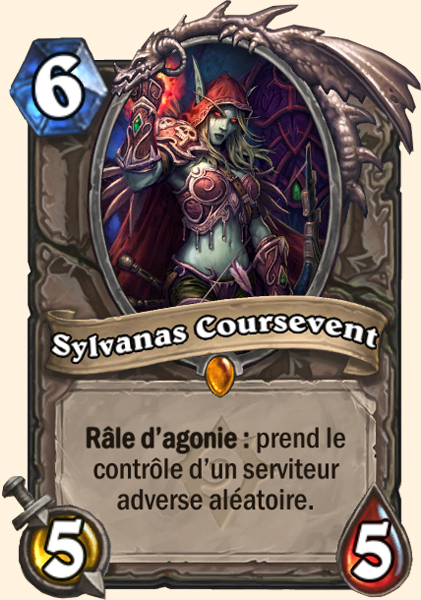
1. Choose a single class to optimize at launch. Trying to play all nine classes spreads your dust too thin. Focus your crafting on the 2-3 key Legendaries of the most stable meta deck for your favorite class (tier lists from HSReplay and JudgeHype come out within 48 hours of an expansion's release).
2. Don't disenchant in bulk early on. A mediocre card at launch can become the centerpiece of an archetype three months later. Only disenchant strict duplicates until the meta stabilizes.
3. Target Standard, not Wild. The Standard format makes cards more cost-effective: a craft there lasts a year and a half at minimum, compared to a highly volatile lifespan in Wild. As a bonus, recent expansions benefit from catch-up packs distributed to returning players.
Tip #4 — Systematically open your packs from the current expansion before those from older expansions. The pity timer system guarantees a Legendary every 40 packs, reset per expansion: mixing sources breaks the counter.
How long does it take to build a competitive deck?
A new player's ritual question: when will I finally be able to poke at Diamond rank? Here are realistic estimates for 2026.
- Aggressive deck (aggro): 3,000 to 6,000 dust is enough, roughly 3 to 4 weeks of daily play (1h/day). Hunter, Rogue, and Warlock decks are historically the most accessible.
- Balanced midrange deck: around 8,000 dust, expect 6 to 8 weeks.
- Control deck with 4+ Legendaries: over 10,000 dust. Plan for 2 to 3 months of accumulation, barring a lucky streak on launch packs.
These figures assume a fresh account. A player who has kept their account active for a few expansions already owns most Common and Rare cards: their progress is much faster, especially thanks to the catch-up packs offered upon returning.
Our final tips
Despite its critics, Hearthstone's economy remains one of the most transparent and generous in the digital card game market. By playing one hour a day, saving your gold for the current expansion, and resisting the urge to disenchant everything in sight, you can build a competitive deck in a month and keep up with the meta without ever paying.
To go further, check out our other Hearthstone guides on playnews.gg: our tier list of the current decks, our Arena mode guide, and our guide dedicated to the Death Knight and runic dust. Happy Legendary hunting!
Share this article
What's your biggest obstacle as a free-to-play player on Hearthstone?
Frequently asked questions
How long does it take to build your first playable deck without spending real money?
Between 3 and 4 weeks for an aggro deck (3,000-6,000 dust with an hour of play per day). Midrange decks take 6-8 weeks, and full control decks 2-3 months. These timeframes assume you focus your crafting on a single class and take advantage of the 60-80 free packs distributed per expansion.
Is it worth buying the Tavern Pass (Battle Pass) as a free-to-play player?
Only if you have a small budget and buy it near the end of an expansion. The permanent 10% XP bonus mainly benefits levels 51+, where each tier grants an extra 150 gold. Otherwise, focus your savings on the free packs from the free Rewards Track.
Is it a good idea to disenchant useless cards at the launch of an expansion?
No. A card that seems "bad" at release can become key to an archetype three months later. Wait for the meta to stabilize (2-3 weeks) before disenchanting anything other than your strict duplicates. This will save you from needlessly losing 75% of the value.
Should I play Wild or Standard to maximize my free gold?
Favor Standard: a card stays viable there for at least a year and a half, compared to a highly volatile lifespan in Wild. Plus, recent expansions benefit from catch-up packs for returning players, which speeds up your early progress.
What's the best value for buying packs with real money?
The 60-pack bundle at €69.99 remains the best value (around €1.16 per pack). Single packs cost about €1.80 each, which is significantly more expensive. But for a free-to-play player, gold earned through quests should remain your primary source.
Key takeaways
- Free gold builds up through daily quests (50-100 gold), the Rewards Track and first wins: roughly 60 to 80 free packs per expansion for a regular player.
- Disenchanting a card loses you 75% of its value — the trick is to only craft the Legendaries that are truly central to your chosen class.
- An accessible aggro deck costs 3,000 to 6,000 dust (3-4 weeks of daily grinding), while a control deck requires at least 2-3 months.
- Reroll your 50-gold quests to aim for 100 gold: this habit earns you the equivalent of one to two extra packs per month.
- Focus your crafting on a single class and its main meta archetype — spreading across nine classes guarantees you'll stay stuck indefinitely.
Comments
No comments yet. Be the first to react!
Leave a comment
Similar guides

Latest articles






Your opinion counts
Rate Hearthstone
Click a star to rate