

 Fabian Lainé

Full Guide
Hearthstone Arena Meta: Best Classes, Cost, and Rewards
In brief
The 2026 Hearthstone Arena revamp splits the mode into two formats: a fast Classic Arena (5 wins) and the competitive Underground (12 wins). The 30-card draft, dual class, and a unified entry system via Tavern Ticket transform the meta, where Demon Hunter dominates the short Arena while Mage takes back the scepter in Underground.
Since the overhaul introduced with patch 32.4 and extended by the adjustments in update 36.0 released at the end of June 2026, Hearthstone's Arena no longer quite resembles the one veterans used to know. Blizzard Entertainment's card game's historic mode has been split into two distinct formats, the draft has been shortened, rewards have been reworked, and a new single ticket replaces the old entry system. This guide covers the current mechanics, the best classes for July 2026, and the habits to adopt to turn a ticket into a profitable run.
The 2026 Arena overhaul: what's changing
The overhaul split the mode into two complementary experiences. On one side, the classic Arena offers shorter runs, designed for players who want to enjoy drafting without dedicating an entire evening to it: a match ends at five wins or two losses, which speeds up the game loop and makes the format much more accessible to beginners. On the other side, Underground keeps the long-form twelve wins or three losses formula, with one major addition: the ability to re-draft certain cards after each loss to adjust your deck along the way.
Since update 36.0, entry has been unified: each run costs one Tavern Ticket, purchasable for 150 gold or $1.79 in the shop. The same ticket unlocks both formats, and the gold earned in-game is enough to fund several attempts per week for a regular player. The current season also brings back dual-class Arena: you pick two heroes at the start and then draft from both collections' cards, opening up unprecedented combinations and a welcome layer of strategic depth.
How the 30-card draft works
The core principle stays true to the mode's DNA: you build a 30-card deck by making a series of choices, without drawing from your personal collection. At each step, three cards are offered and only one can be kept. Since the overhaul, several quality-of-life features have been added to the drafter:
- Legendary groups offer a themed mini-choice at the start of the run, which immediately shapes a deck's identity.
- Sideboard cards are allowed, with fixed contents for the duration of the run.
- Synergy picks are highlighted when they reinforce a mechanic already present in the deck being built.
- The Ready Up screen summarizes the mana curve and the breakdown of spells, minions, and removal before you confirm your deck.
Drafters in short Arena runs need to accept moving fast, aiming for five wins: one or two questionable picks can be forgiven, but a curve imbalance comes at a steep cost. Underground allows for more experimentation, since you can fix a shaky deck after a loss.
The best classes in Arena in July 2026
The July 2026 meta draws a clear distinction between the two formats. In short Arena, speed is king: Demon Hunter sits at the top thanks to its tempo openings capable of closing out the game before the opponent can stabilize their board. Warrior remains formidable as soon as it drafts its weapons correctly, while Priest takes advantage of the Imprisonment mechanic to generate insane value on the mid-game turns.
In the Underground, the balance shifts. Long runs favor classes capable of drawing, generating, and pivoting: the Mage retakes the top spot thanks to its deep spell pool and its ability to switch from a tempo plan to a value plan depending on the opponent's deck. The Warrior remains solid, the Priest follows just behind, and the Demon Hunter drops a notch, its blazing openers getting caught out by recovery-oriented runs.
The classes to avoid in July 2026 remain the Druid, whose lack of reliable openers and dedicated ramp in Arena hurts its runs, and to a lesser extent the Shaman, which suffers from an uneven pool. In dual class, pairing an aggressive class with a value class (Demon Hunter + Mage, for example) often balances runs better than two classes of the same profile.
Building a solid curve and match plan
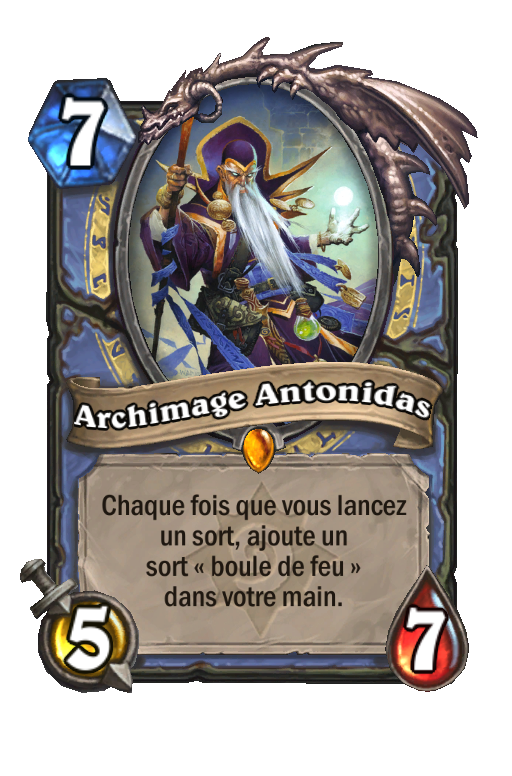
A balanced Arena deck generally aims for a descending curve: plenty of two- and three-mana cards, a solid core of four- and five-mana cards, then a few finishers. The commonly accepted threshold sits around seven to nine two-mana minions, six to eight three-mana minions, and never more than three cards costing seven mana or more. Sacrificing a value pick to fill a curve gap is almost always worth it, especially in short Arena runs.
The golden rule to remember: a deck that has nothing to play on turn 2 or turn 3 loses to an opponent who comes out swinging from the opening. The curve comes before raw value.
The second key point is identifying your match plan as soon as the draft ends. A deck packed with two-mana cards will look to impose an aggressive tempo, while a slower deck will need to make favorable trades and wait for its finishers. Talking yourself through your plan before the first game avoids costly hesitation mid-run.
Removal, tempo, and value cards: pick priorities
Removal is the rarest and most valuable resource in Arena. Every draft should aim for at least four to six removal cards, mixing targeted removal with area-of-effect options. Without these tools, an opponent's board that snowballs by turn 5 becomes impossible to recover from, and runs often end on the same image: an overlooked minion landing a fatal buff.
- Cheap targeted removal (one to three mana): essential for defusing priority threats without losing tempo.
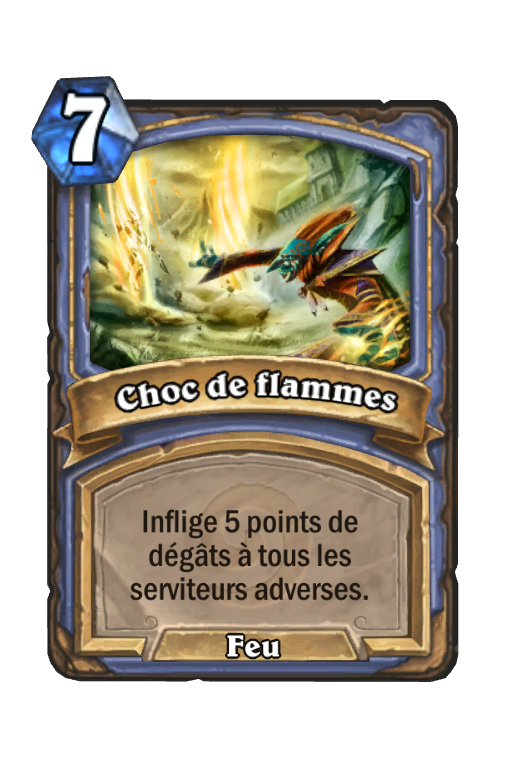
- AoE removal (four to seven mana): at least two copies to survive the aggressive openers of Demon Hunters and Hunters.
- Burst removal: direct damage spells often combine removal with pressure on the hero, an excellent value proposition in short Arena runs.
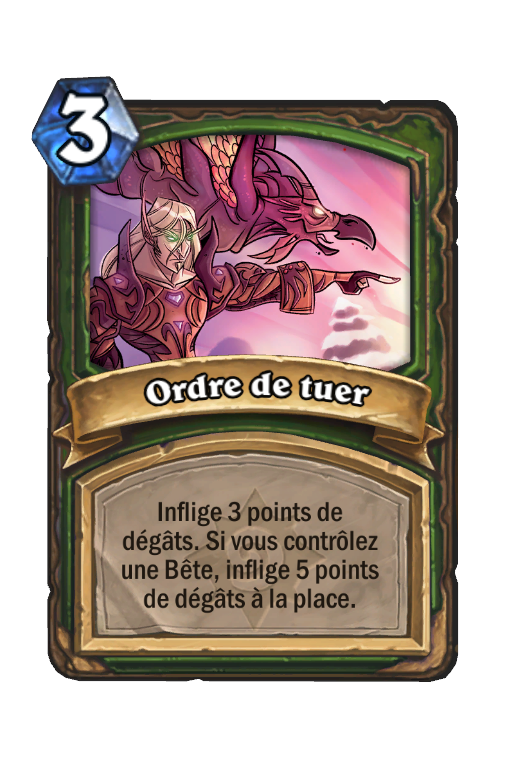
On the tempo side, well-statted minions (2/3 for 2 mana, 3/4 for 3 mana, 4/5 for 4 mana) remain the backbone of the deck. Battlecries that draw a card, remove a threat, or draw a card when played on a creature are almost always better than a raw minion, provided the stats remain reasonable for the cost.
Mulligan and Playing Against the Current Meta
Mulligan in Arena follows a different logic than Ranked mode: you almost always keep your one and two mana cards, discard minions costing more than four mana unless you have a specific plan, and keep a removal spell if you identify an aggressive match-up. In dual class, you also need to account for cards from the second class that might appear on turn 3 or 4 and change the value of the spells kept in hand.
Against a Demon Hunter or a Hunter, you always favor a good two-mana opening and an AoE removal in hand; against a Priest or an Underground Mage, you'd rather keep a card capable of generating value over time.
Finally, you need to read the patch notes. Patch 36.0 nerfed several dominant synergies from the previous meta, and cards from the Fall of Fort Purple expansion have shifted the balance of the pool. A quick glance at the official notes before an Arena session avoids drafting cards whose power has changed without you noticing.
Advanced Tips: Counting Cards and Reading Your Opponent
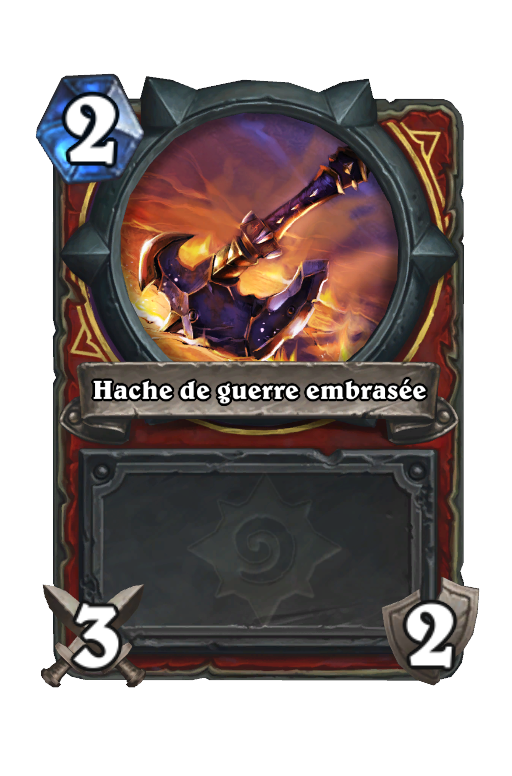
Going from a regular seven wins to nine involves developing a few subtle but rewarding habits:
- Count the cards played by your opponent: by turn 5, knowing how many spells and how many big minions have come out changes how you read the opponent's hand.
- Anticipate the class as early as selection: in Arena, each class has a dominant archetype as of July 2026, and adapting your plan starting from the mulligan saves resources.
- Don't overcommit: playing three minions against a Mage who hasn't yet dropped their AoE is a classic, costly, and avoidable mistake.
- Use the rope: playing close to the timer often forces opponent mistakes, without you needing to change your own plan.
- Smart redrafting in Underground: take advantage of a loss to reinforce an already strong axis rather than patching up a marginal weakness.
Rewards and Ticket Value
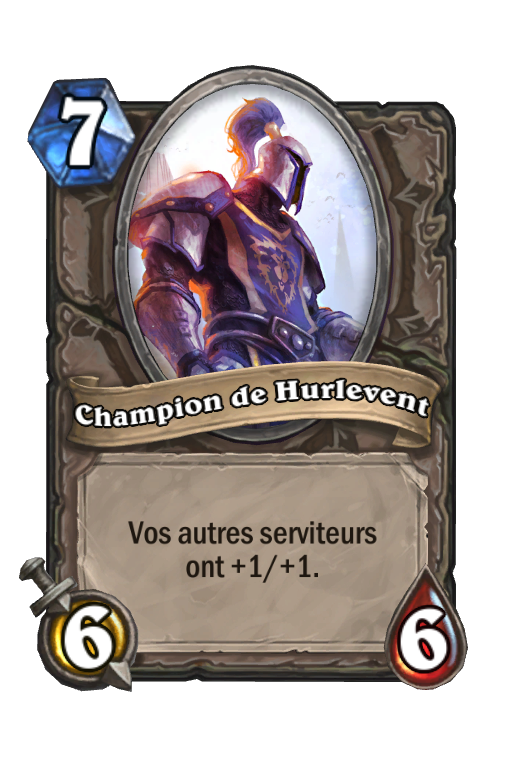
The overhaul reworked the rewards table to make every win clear-cut. In regular Arena, the loop aims to recoup at least the equivalent of the entry fee starting from three wins, with packs from the current expansion, arcane dust, and gold on the line. In Underground, the peak is of course still the twelve-win mark, which not only grants a batch of golden Fall of Fort Purple packs but also the heroic skin Nemsie the Infamous, a cosmetic reserved for players able to tame the mode's longer version.
The mode's rule of thumb: an average player aiming for five to seven wins per run will consistently end up net positive over the long run, provided they're willing to accept sometimes losing two or three runs in a row without changing their strategy.
The math is simple: a ticket costs 150 gold, and a win brings back an average of 30 to 40 in cumulative rewards, which makes the mode largely profitable for anyone who plays regularly and avoids tilting.
To go further
To dig deeper into run preparation, several resources are essential: the official page hearthstone.blizzard.com/fr-fr for patch notes in French, the community portal judgehype.com for meta analyses and French-language guides, and the statistics compiled by HSReplay to track winrate trends class by class. One last tip: keeping your replays and debriefing your losses is often worth more than blindly burning through tickets.
Share this article
Do you prefer the fast Classic Arena or the long, strategic Underground?
Frequently asked questions
Which format should you choose between Classic Arena and Underground?
Classic Arena (5 wins) suits players in a hurry and beginners who want to master drafting without committing a whole evening. Underground (12 wins) rewards veterans with more strategic depth and the ability to re-draft after each loss to fix a shaky deck.
How much does an Arena run cost in 2026?
A single Tavern Ticket costs 150 in-game gold or €1.79 in the real-money shop. A regular player can fund several attempts per week just with gold earned from playing.
Why should Druid still be avoided in Arena 2026?
Druid suffers from a lack of reliable openings and ramp mechanics dedicated to Arena, which cripples its runs from the start. Its cards don't align with the tempo the format demands.
How should I mulligan in dual class?
Always keep your two- and one-mana cards, throw back big minions unless you have a specific plan. In dual class, also anticipate cards from the second class that may show up on turns 3-4 and adjust the value of the spells in your hand accordingly.
What's the absolute priority when picking: removal, tempo, or value?
Removal is the rarest and most critical resource. Aim for four to six removal cards (a mix of targeted and AoE) before thinking about value. An uncontrolled opposing board on turn 5 kills faster than a bad curve ever will.
Key takeaways
- Mana curve trumps raw value: seven to nine two-drops, never more than three seven-drops or higher.
- Four to six removal cards minimum, a mix of targeted and AoE, are non-negotiable for any viable deck.
- Demon Hunter crushes the short tempo Arena, Mage reclaims the long Underground thanks to its value pool.
- In dual class, pairing an aggressive class with a value class balances better than doubling up on the same profile.
- A deck with no plays on turns 2-3 loses right out of the gate against any opponent pushing tempo from the start.
Comments
No comments yet. Be the first to react!
Leave a comment
Similar guides


Latest articles





Your opinion counts
Rate Hearthstone
Click a star to rate