


 Fabian Lainé

Paid Update
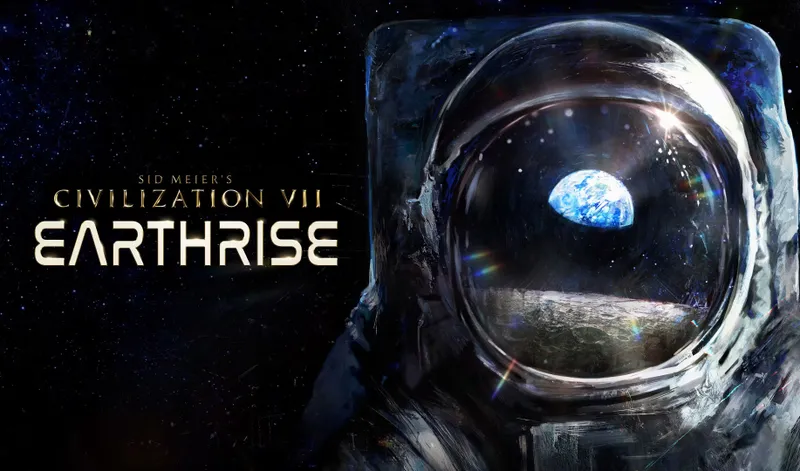
Earthrise: Civilization VII's first paid DLC unveiled
In brief
Earthrise, Civilization VII's first paid DLC, arrives in 2027 with a complete space conquest and climate management system. Between lunar missions, solar system exploration, and environmental mechanics, it's far more than just a cosmetic pack.
Earthrise is the first paid expansion for Sid Meier's Civilization VII. No precise date for now, only a target set for 2027, alongside the free Arc of Tomorrow update. Firaxis promises more details in the coming months, so for now we're navigating with what little we have.
On paper, this is far from a simple cosmetic pack. Earthrise spans three ages of the game: starting in the Antiquity and Exploration ages, you map the night sky and name celestial bodies before broadening your understanding of the solar system. In the Modern age, the first orbital missions around Earth and the Moon come into play. Then, in the Atomic age - introduced precisely by Arc of Tomorrow - your own space agency sends missions across the entire solar system, with untapped resources to bring back to Earth to strengthen your civilization.
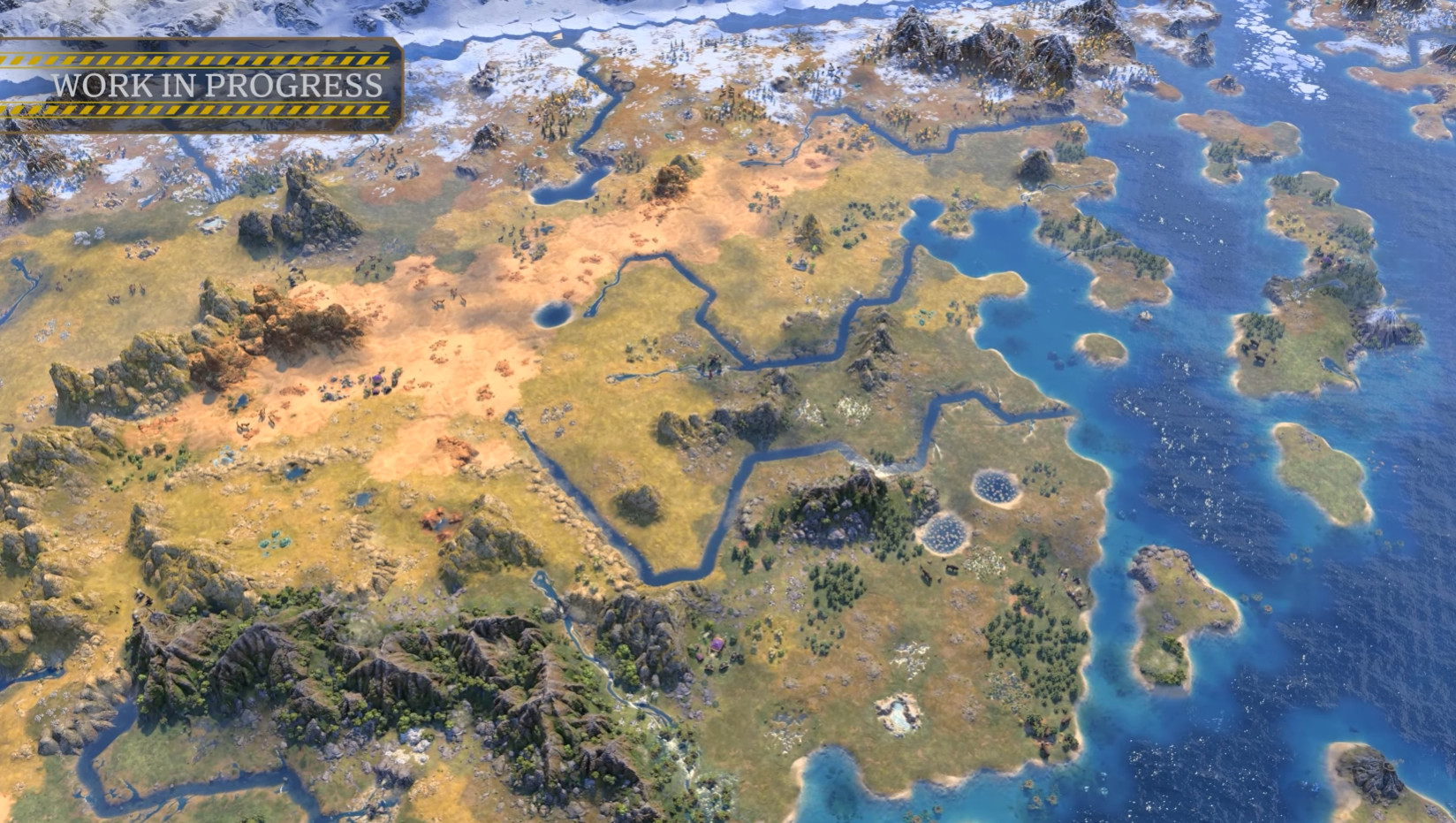
The other big piece is the environmental component: new units and technologies to modify your empire's terrain, civil engineering structures to counter natural disasters linked to climate change, and even the possibility of reversing that warming. An empire that masters a biome well will gain dedicated gameplay advantages. So this is a genuine added strategic layer, not just a space skin slapped onto the existing game.
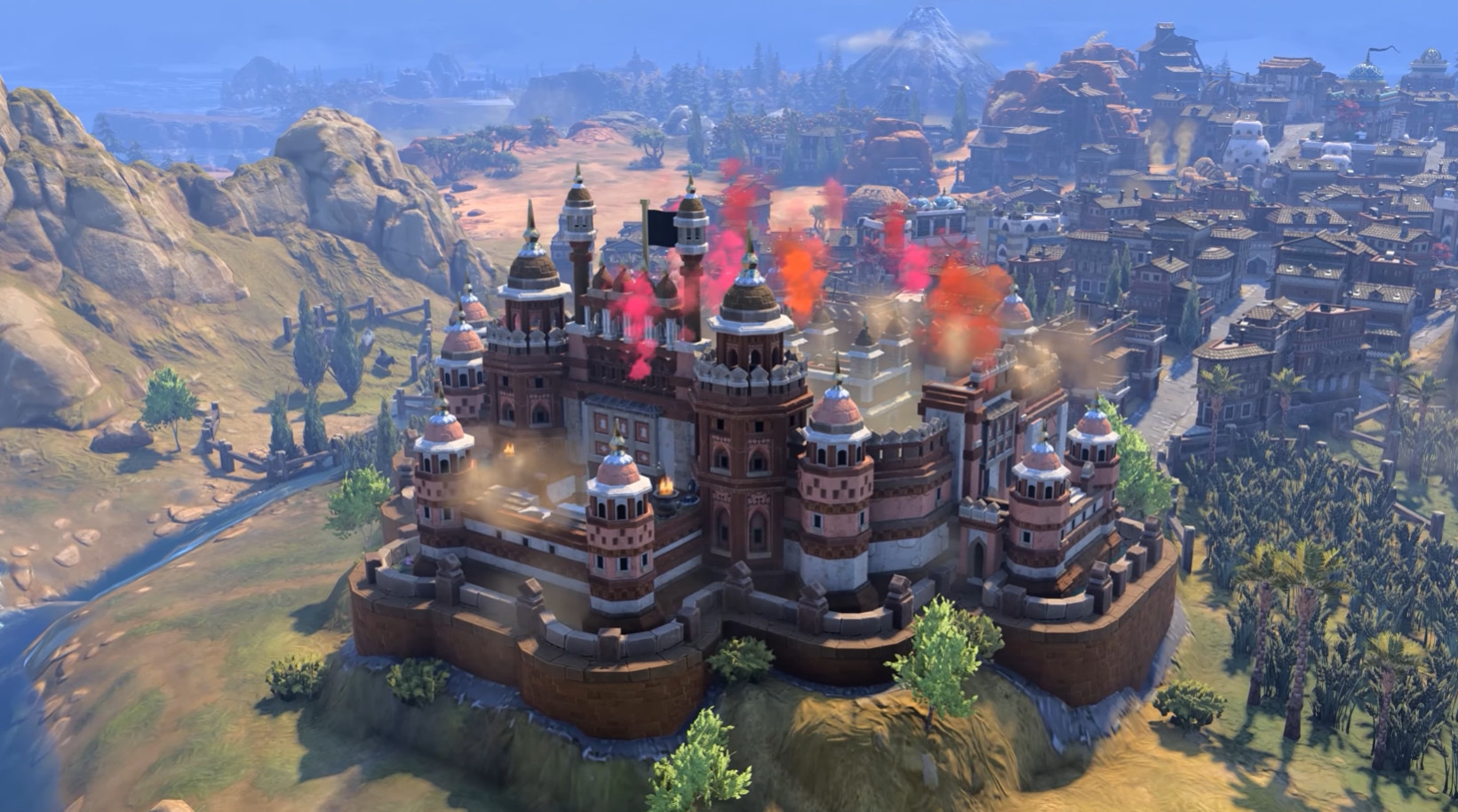
That leaves the question of price, not disclosed at this stage. It's hard to judge the value for money without knowing how much concrete content (civs, leaders, mechanics) will actually be delivered at launch. The verdict will have to wait until Firaxis finally drops some numbers.
Share this article
Are you convinced by Earthrise enough to spend on a Civ VII DLC?
Frequently asked questions
When exactly does Earthrise arrive?
Firaxis hasn't given a precise date, only set a target for 2027. The free Arc of Tomorrow update will launch at the same time. More details will come in the coming months, so patience.
What exactly is Earthrise's space mechanic?
It starts in Antiquity by mapping the night sky and naming celestial bodies. In the Modern era, you launch orbital missions around Earth and the Moon. In the Atomic age, your space agency sends missions across the solar system to bring back untapped resources that strengthen your civilization.
Is there an environmental aspect to this DLC?
Yes, it's actually a major pillar. Earthrise adds technologies and units to modify your terrain, civil engineering structures against natural disasters tied to climate change, and you can even reverse that warming. Mastering a specific biome grants you dedicated gameplay advantages.
Is Earthrise just a cosmetic pack?
No, far from it. It's a paid expansion with deep strategic mechanics: progressive space exploration, active climate management, and complex interactions between these systems and your empire. It's not just a skin slapped onto the existing game.
How much does it cost?
No pricing information yet. Firaxis is keeping it under wraps, which makes it difficult to evaluate value for money without knowing the exact number of civilizations, leaders, and mechanics delivered at launch.
Key takeaways
- The space race spans three ages: celestial mapping in Antiquity, orbital missions in the Modern era, then solar system exploration in the Atomic age.
- Earthrise adds a genuine environmental strategy layer with modifiable terrain, civil engineering structures, and the ability to reverse global warming.
- Arc of Tomorrow, the free 2027 update, introduces the Atomic Age with new civilizations, Gandhi front and center, and strengthened nuclear mechanics.
- The price remains a mystery, which complicates judging the value for money before we know the actual number of civilizations and mechanics at launch.
Comments
No comments yet. Be the first to react!
Leave a comment
Latest articles