

Preview Resonance: A Plague Tale Legacy - Destructoid's First Impressions at the Heart of the Curse
 Fabian Lainé
In brief
Resonance: A Plague Tale Legacy marks a major turning point for the franchise by placing Sophia at the heart of a more assertive action/adventure, fifteen years before the events of Requiem. On Minotaur Island, Asobo Studio offers hybrid gameplay blending direct combat with shield and blade, tactical stealth, and environmental management, all carried by an impressive graphics engine and an art direction that reinforces the prequel's identity.
In Resonance: A Plague Tale Legacy, Asobo Studio sets aside the Amicia/Hugo duo: Sophia, already seen in Requiem, is tasked with carrying the torch. A prequel taking place fifteen years before Requiem, the game sends us to the Island of the Minotaur, land of a curse as mystical as it is visceral, where every stone corridor echoes with the Macula and a past the heroine is trying to tame. So let's take a look at Destructoid's first impressions after a first hands-on session.
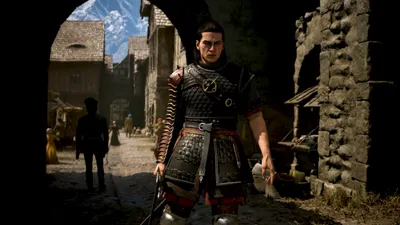
The first thing that strikes you, the journalist tells us, is the shift towards a more direct action/adventure approach. Forget fleeing at every turn: Sophia knows how to defend herself. The third-person combat relies on a light blade and a handmade shield, as well as a dodge and parry system that demands precise timing. That said, despite the brutality of combat, managing distance, alchemical gadgets, and the environment still matter, and the slightest mistake can still cost you dearly.
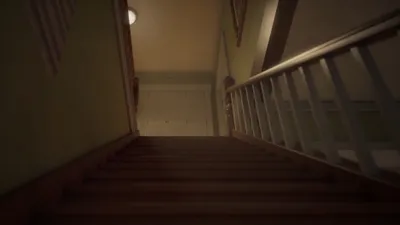
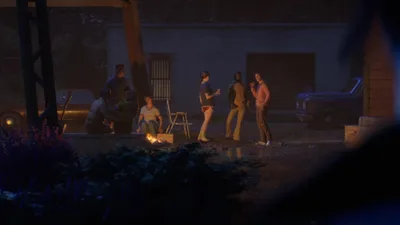
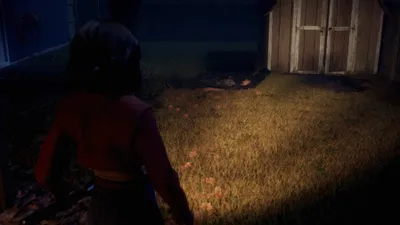
The level design plays on a hybrid approach: cautious infiltration behind a temple's columns, quick eliminations in a narrow alley, then a more intimate duel against a cursed enemy. The pacing is well orchestrated by Asobo, shaping sequences between exploration phases, subtle light-based puzzles, ancient mechanisms, and rising tension with the invasion of contaminated creatures.
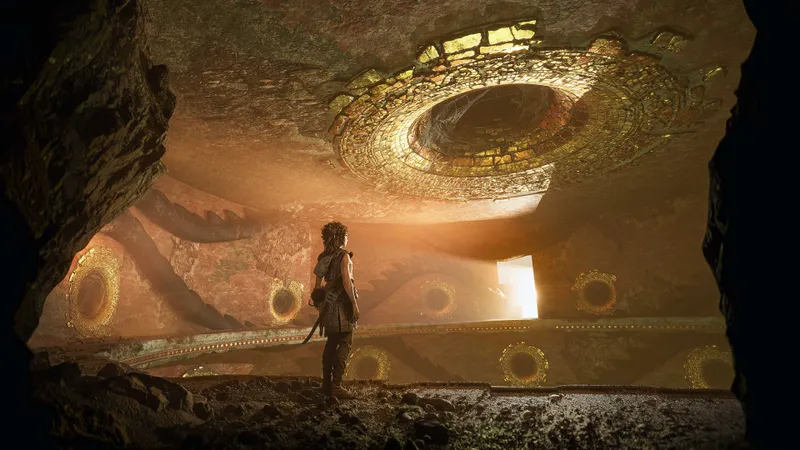
Technically, the Destructoid journalist admits that the Zouna Engine still impresses time and again: the play of light on wet marble, the density of Mediterranean markets, the more colorful art direction that nonetheless remains on the razor's edge of contamination danger, all give this prequel a strong identity. Meanwhile, Sophia's animations, particularly during parries and counterattacks, make the heroine's weight just as ever-present, uniting the soundtrack with the pulse between melancholy and the hard-hitting beats of the duels.
Coming out of this session, Resonance: A Plague Tale Legacy left the journalist with the impression of being the installment that fully wants to assert itself as a demanding cinematic adventure, all while staying true to its taste for the tragic horror of curses that cling to the skin.
Share this article
Does the shift toward more offensive gameplay for Sophia excite you?
Frequently asked questions
Does Resonance completely abandon the fleeing gameplay of the first saga?
What is the narrative context of the game in relation to Requiem?
How does the game's graphics engine contribute to the overall atmosphere?
What is the balance between action and exploration in the gameplay?
Key takeaways
- Sophia becomes a full-fledged fighter with a demanding parry and dodge system, marking a radical shift from the constant fleeing of the previous entries.
- The hybrid level design blends careful stealth, fast-paced clashes, and intimate duels, creating a well-orchestrated rhythm between exploration, puzzles, and rising tension.
- The Zouna Engine impresses with its detailed lighting effects, the visual density of the Mediterranean environments, and combat animations that reinforce the heroine's weight.
- Puzzles based on light mechanics and environmental interaction remain central to the gameplay, forcing the player to maintain caution and strategy even during offensive phases.
Comments
No comments yet. Be the first to react!
Leave a comment
Latest articles