


US Hardware: 39% Fewer Units, $542 Average Price
 Fabian Lainé
In brief
The US video game market dropped 10% in July 2026 to $4.5 billion. The real telltale sign: hardware sales collapsed 39% in units, offset by a 16% rise in average price, which now stands at $542. A worrying trend fueled by the components crisis and a harbinger of further price hikes.
The US video game market fell 10% in July 2026, to $4.5 billion. The news isn't the drop itself, it's the mechanics behind it: hardware sold 39% fewer units, but at a 16% higher price.
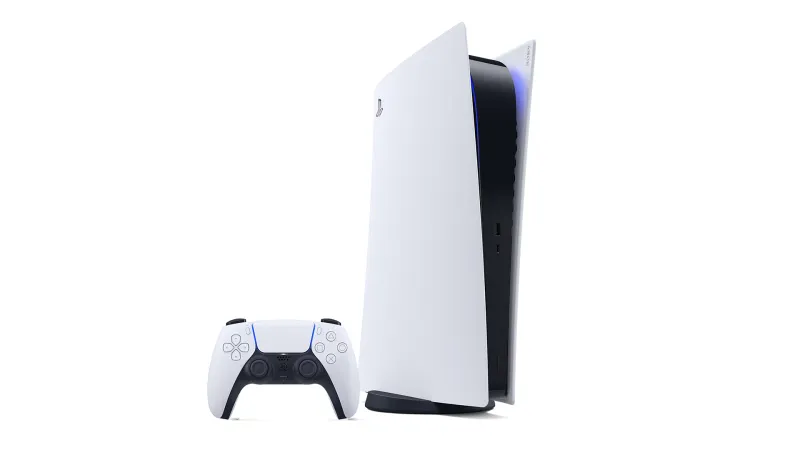
The figures published on August 20, 2026 by Mat Piscatella, Circana's video games industry advisor, break down the details. Hardware spending drops 29%, to $282 million: the weakest July on record since 2020's $163 million. The average price of a new console reaches $542. Every console loses ground in units, the PlayStation 5 by 6%, the Xbox Series by 18%, and the Switch 2 by 51%. The PS5 leads the month in dollar sales, the Switch 2 in units.
The PS5 sums up the phenomenon: 6% fewer units, but 29% more hardware revenue. Piscatella points to the price increases driven by the RAM and component crisis, and warns that the difficulties go well beyond a simple cycle effect. A new Switch 2 price hike is scheduled for September 1, 2026. At 14 months, the console still holds an 11% lead over the original Switch's pace.
Content spending falls 9%, to $4.1 billion, with mobile leading the declines. Accessories drop 6%, to $178 million, the lowest level for a July since 2019. A sign of the times, the month's best-seller is Call of Duty: Black Ops II, a 2012 game re-released on PS4 and PS5. These figures are American; the component shortage, however, is not.
Share this article
With console prices skyrocketing, do you think it's worth waiting before buying?
Frequently asked questions
Why are consoles selling fewer units but bringing in more money?
Which console is doing best in July 2026?
Is this just a temporary dip or something more serious?
How is the games and accessories segment doing?
Key takeaways
- Consoles are selling 39% fewer units but at a 16% higher price, pushing the average price to $542.
- All consoles are declining: PS5 down 6%, Xbox Series down 18%, Switch 2 down 51% in units sold.
- PS5 gains 29% in hardware revenue despite losing units, revealing the impact of price hikes.
- Hardware collapses to $282 million, its lowest level for a July since 2020.
- A new Switch 2 price hike is expected on September 1st, a symptom of a very real components crisis.
Comments
No comments yet. Be the first to react!
Leave a comment
Latest articles