



 Alexandre Jollier


Boss
Prehistoric shark Dave The Diver: In The Jungle - How to defeat Stethacanthus
In brief
Stethacanthus is a formidable boss in the In The Jungle expansion of Dave the Diver, protected by natural armor that deflects projectiles. Discover the essential strategies for exploiting its vulnerable areas (belly and tail), avoiding its deadly attacks, and using the environment to your advantage to secure victory.
In the In The Jungle expansion of Dave the Diver, the Stethacanthus is a rather tough prehistoric shark. This article aims to walk you through the decisive strategies to overcome this fearsome boss.
Let's discover the Stethacanthus together
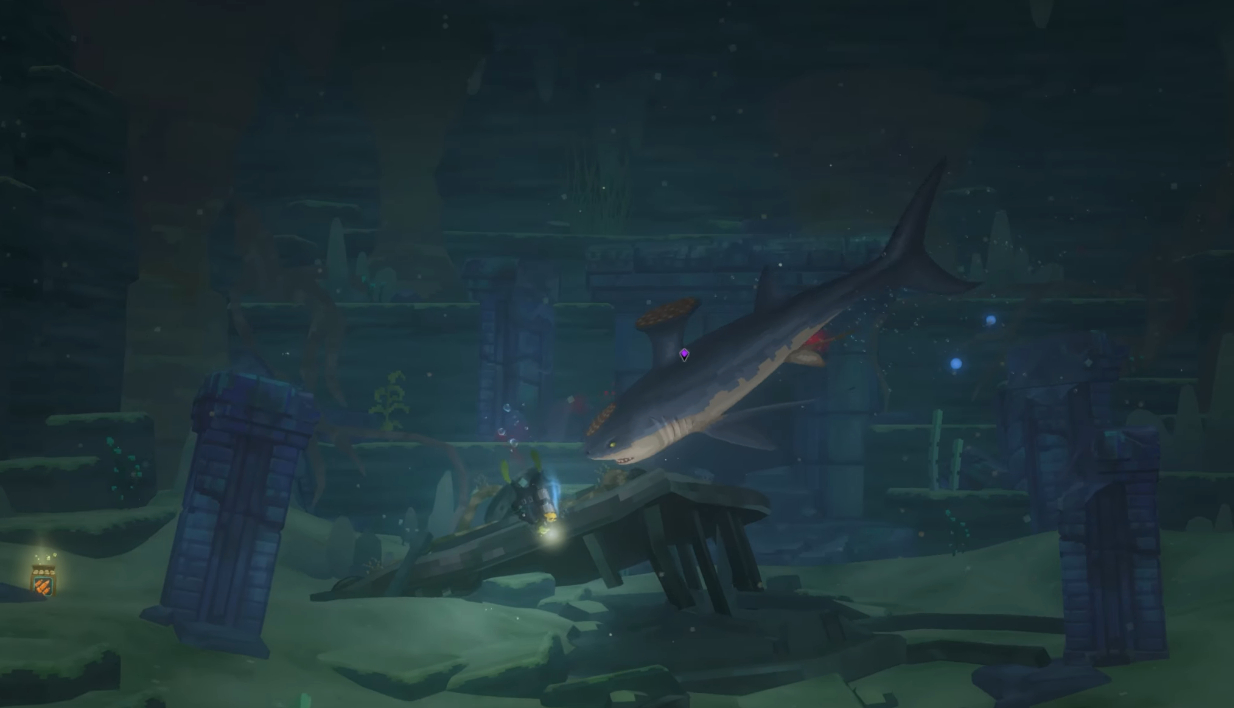
The Stethacanthus, a fearsome predator lurking in the depths of the jungle, has a natural armor capable of deflecting projectiles. Here's an overview of its attacks:
- Bite attack: the Stethacanthus lunges at you with a quick bite. Move away from the area near its mouth at the right moment.
- Spin attack: when it starts spinning like a drill, the Stethacanthus can deal heavy damage. This attack is lightning-fast, so you must absolutely learn to manage its timing to avoid it.
Strategies to defeat the Stethacanthus
Before the battle, make sure you have powerful projectiles to deal damage to it. Also check your oxygen level, and don't forget to bring healing items to regenerate during the fight.
Fortunately, the Stethacanthus's body has a few vulnerable areas. Focus your attacks mainly on:
- The belly. This is where you can deal the most damage. Don't attack the areas protected by its armor.
- The tail. This is also an effective target for dealing damage.
Anticipate the Stethacanthus's movements. While it charges at you to bite, move quickly to avoid the impact. Encourage the Stethacanthus to ram into the underwater pillars in order to disorient it. Once you've managed to make it hit a pillar, the Stethacanthus will be temporarily disoriented. Take advantage of this to position yourself on its back at the right moment, so as to trigger a mini-game that consists of keeping Dave balanced on the shark's back. You'll have a chance to deal damage to it if you manage to balance yourself.
Handling the stalactite attacks
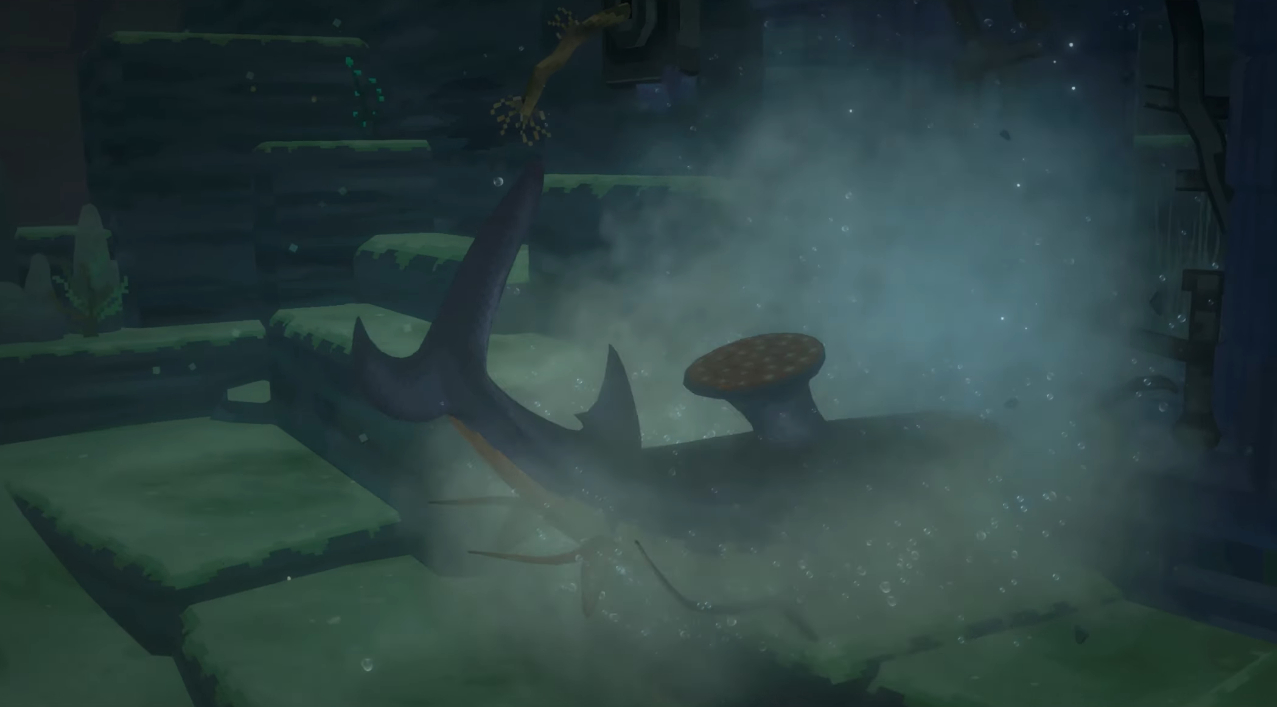
After dealing damage to it, the Stethacanthus will unleash its stalactite attack. Keep swimming to avoid being hit by the falling stalactites. This will also be a good time to pick up healing items that have also fallen.
Note
After the stalactite attack, the Stethacanthus will resume its classic attacks. Stay alert and keep pushing it toward the pillars in order to maximize your chances of success.
Rewards after victory
After defeating the Stethacanthus, you can obtain:
- Stethacanthus Meat. Pieces of meat that can be cooked or sold at a good price.
- Rare items. You could also obtain unique materials to upgrade your equipment.
Share this article
When facing Stethacanthus, which strategy do you find hardest to master?
Frequently asked questions
What are Stethacanthus's weak points?
The belly is the most vulnerable area for dealing massive damage, followed by the tail. Avoid attacking the areas protected by its natural armor, which deflects projectiles.
How do you use the environment against Stethacanthus?
Lure the boss into ramming the underwater pillars to temporarily disorient it. Once stunned, position yourself on its back to trigger a balance mini-game that lets you deal extra damage.
How do you avoid Stethacanthus's spin attack?
This attack is very fast and requires perfect timing. Move quickly and anticipate its movements to get out of its destructive path.
What should you do during the stalactite attack?
Keep swimming non-stop to avoid the falling stalactites. This is also the ideal time to collect the healing items that appear during this phase.
What rewards do you get after defeating Stethacanthus?
You receive Stethacanthus meat (cookable or sellable), as well as rare items and unique materials to upgrade your equipment.
Key takeaways
- Focus your attacks on the belly and tail, the only truly vulnerable areas of Stethacanthus.
- Push the boss into the underwater pillars to disorient it and trigger a lucrative mini-game on its back.
- Master the dodge timing against its two main attacks: the fast bite and the lightning-fast spin.
- During the stalactite attack, keep swimming without stopping and take the opportunity to collect healing items.
- Prepare with powerful projectiles, a full oxygen gauge, and regeneration items before the fight.
Comments
No comments yet. Be the first to react!
Leave a comment
Similar guides

Latest articles








Your opinion counts
Rate Dave the Diver
Click a star to rate